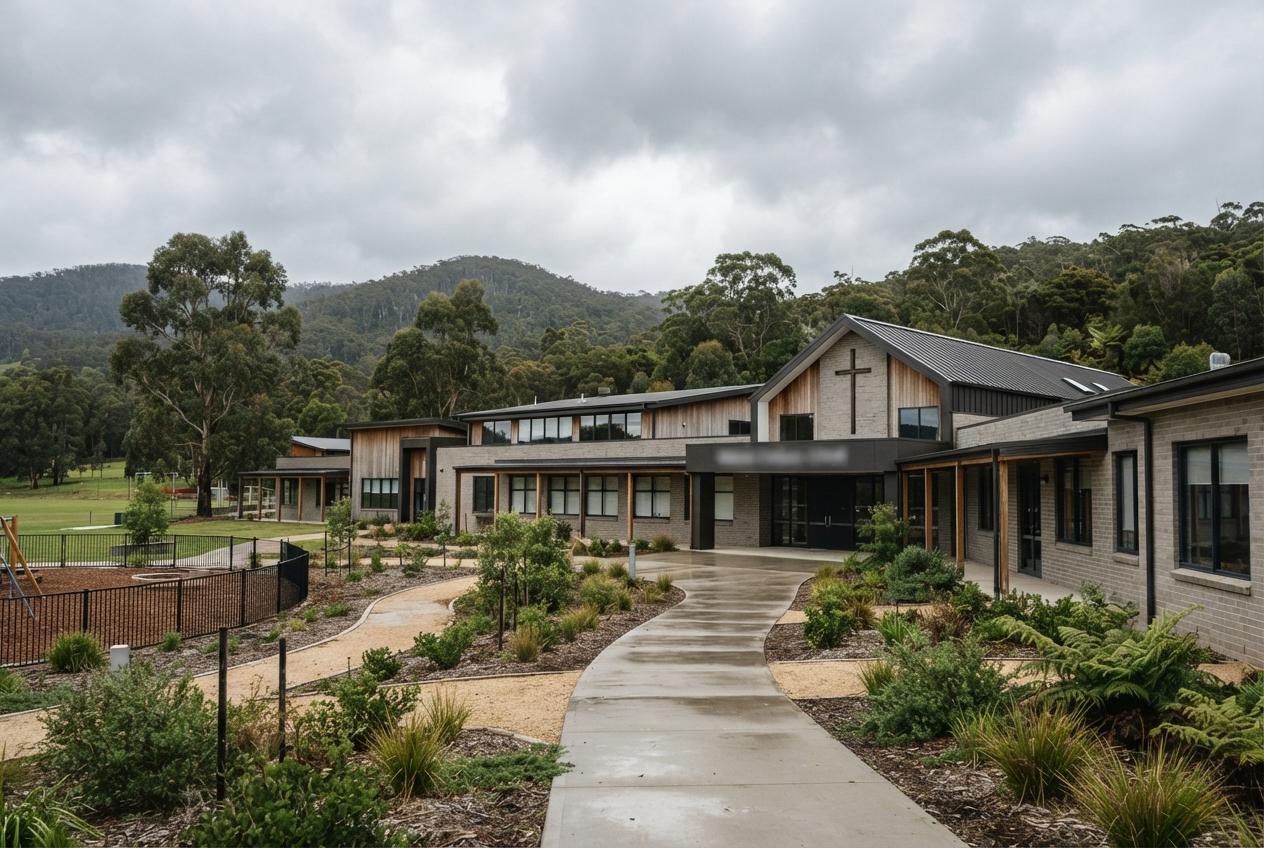
Shoppers for safe schools are right to be worried: a Tasmanian inquiry has found LGBTQ+ students face disproportionate bullying and patchy support, especially in Catholic schools, and it recommends urgent training, mental-health staffing and inclusive facilities to end the harm.
Essential Takeaways
- Inquiry finding: LGBTQ+ students are disproportionately targeted and often lack proper support in Tasmanian schools.
- Policy gaps: Anti-bullying and inclusion policies vary across sectors, leaving transgender and gender-diverse students exposed.
- Catholic school concerns: Evidence presented suggests discrimination against LGBTQ+ staff and students in some Catholic schools.
- Concrete fixes recommended: More funding for inclusion training, extra mental-health staff, mandatory bullying-management training and unisex individual-stall bathrooms.
- Legal tension: Tasmanian anti-discrimination law clashes with some religious education practices, prompting calls for clearer compliance.
What the inquiry actually found , and why it feels urgent
The inquiry’s report lays out something stark: young people are hurt, often at school, at a time when they should be growing without that extra weight. That emotional detail has driven the tone of the recommendations, because personal harm translates into education lost and youth wellbeing damaged. According to reports, the problem is concentrated in cases involving transgender and gender-diverse students , from names not being respected to limited access to appropriate bathrooms and changing rooms. For parents, the message is immediate: these are practical failures with human consequences, not just policy oversights.
Where Catholic schools fit into the picture
Evidence heard during the inquiry raised specific concerns about Catholic Education Tasmania, including allegations that LGBTQ+ staff were passed over for promotion and that some referrals for counselling veered towards conversion practices. The documents lodged with the inquiry, and testimony from students, paint a picture of inconsistency between institutional claims of legal compliance and on-the-ground experiences. That gap has created a tense legal and moral debate: how to balance religious schools’ ethos with the statutory protection of students and staff.
Policies, procedures and the practical shortfalls
The report highlights how anti-bullying and inclusion measures are inconsistent across the Tasmanian system. In plain terms, some schools have clear, supportive processes; others don’t, which means staff and students don’t always know how to respond when bullying happens. That inconsistency particularly affects gender-diverse pupils when it comes to name changes, pronoun use and facilities. The inquiry recommends standardised, funded policies and mandatory training so responses aren’t left to the goodwill of individual principals or teachers.
What the report recommends , simple changes that matter
Many of the recommendations are straightforward and achievable: fund LGBTQ+ inclusion policies and training, boost mental-health staffing, and make bullying-management training compulsory for educators. One notable suggestion is that schools move towards individual-stall unisex bathrooms , a practical change that reduces daily stress for trans and gender-diverse students. These steps would reduce ambiguity and create predictable support, which is exactly what young people and their families have been asking for.
How parents, schools and policymakers can act now
If you’re a parent, ask your child’s school about its written policies on name changes, bathroom access and bullying response, and whether staff have undertaken recent inclusion training. School leaders should audit their policies against the inquiry’s recommendations and set a timeline for staff training and mental-health hires. Policymakers need to fund implementation and clarify how religious freedoms operate within Tasmania’s anti-discrimination framework, so compliance isn’t optional. The change is bureaucratic but its effects will be felt in hallways and classrooms.
It's a small change in policy that could mean a big difference for kids who just want to learn in peace.
Source Reference Map
Story idea inspired by: [1]
Sources by paragraph: