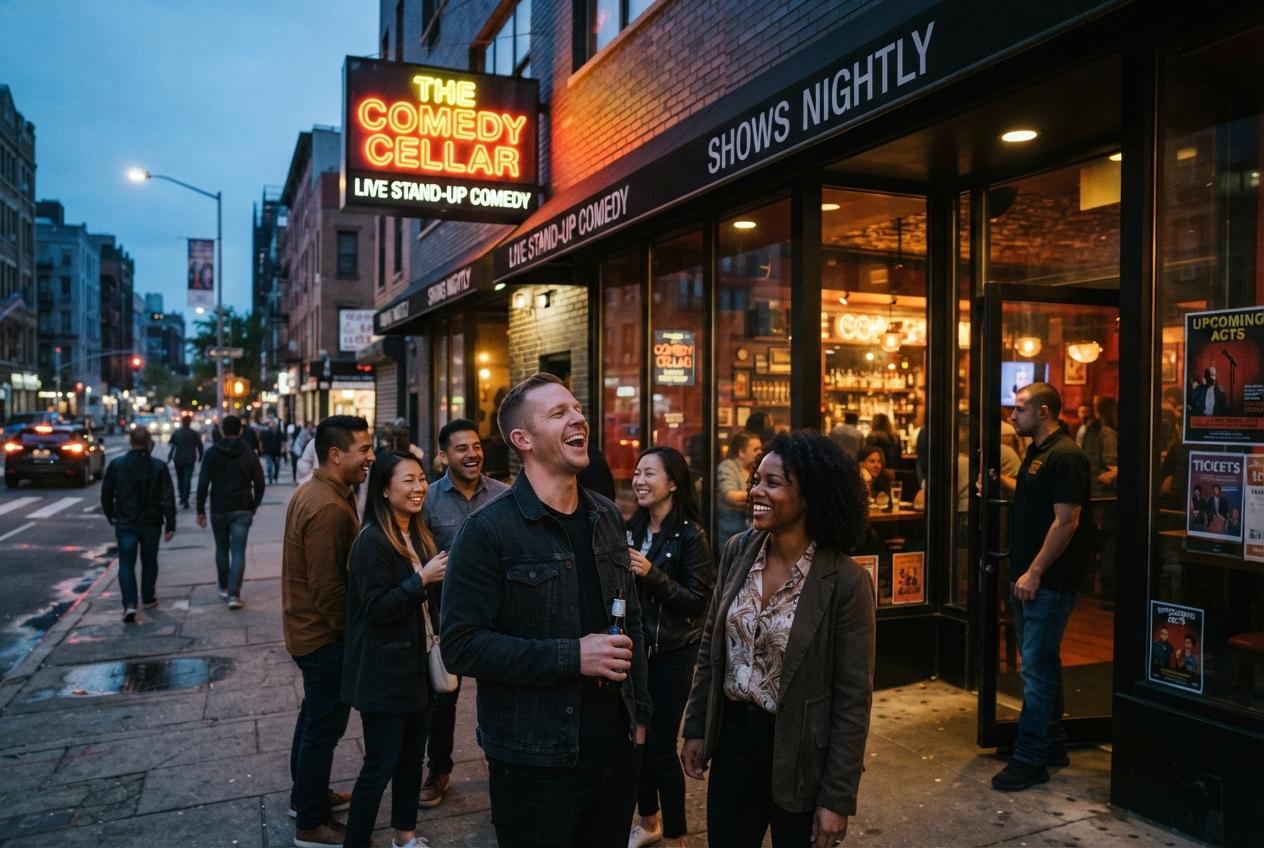
Notice how assumptions slip into conversation: people assume bisexuality is a phase, a secret, or an invitation to drama. Comedians, researchers and mental-health groups say these myths harm relationships and wellbeing, so here’s a clear, practical look at what bisexuality really means and how to respond better.
Essential Takeaways
- Widespread misunderstanding: Many people still see bisexuality as temporary or confused, not a valid identity.
- Lower visibility: Bisexual adults are less likely to be out to people in their lives, which affects support and mental health.
- Mental-health impact: Stigma and erasure increase anxiety and depression among bisexual people.
- Practical support: Simple actions, listening, avoiding assumptions, using correct labels, help more than dramatic declarations.
People make snap judgements , and they stick
Start with the obvious: lots of people think they know what bisexuality looks like, and they’re rarely right. That’s the opening line of many personal stories and comedy sets because the mismatch between appearance and identity is oddly fertile ground for jokes , and for hurt. Research shows bisexual adults are often less open about their identity than gay or lesbian people, which feeds the cycle: invisibility breeds misconception, misconception fuels more secrecy. If you want to help, don’t guess someone’s preferences from their behaviour; ask kindly when it matters.
Why being “less out” matters for health and relationships
There’s a measurable cost to that invisibility. Studies and mental-health organisations link higher levels of stress, anxiety and depression to the layered stigma bisexual people face. Being privately bisexual but publicly perceived as straight, gay or “confused” can leave someone isolated and hypervigilant in relationships. The practical takeaway is simple: create space for honest conversation, and treat coming-out updates as ongoing, not a single confetti moment. That reduces pressure and shows you’re in it for support, not spectacle.
The myth of the “phase” and the cheating stereotype , where they come from
People often interpret bisexuality through a binary lens: you must eventually pick a side. That’s cultural shorthand, not reality. Some assume bisexual people will cheat because they’re “tempted by everything,” a stereotype that has no basis in how relationships actually work. Personal accounts and clinical reviews both underline that bisexuality is a legitimate orientation, not a step on a trajectory. If you’re worried about fidelity in a relationship, focus on communication and boundaries, not sexual orientation as a prescription for behaviour.
How to talk about it , language, questions and common pitfalls
If someone tells you they’re bisexual, your instinct might be to ask for details. Pause. Respectful curiosity is fine, but invasive or reductive questions aren’t. Avoid asking who they “prefer” in a way that implies they must choose, and don’t demand proof. Use the label they give you, and if you’re unsure what it means to them, ask: “What does that word mean for you?” That’s supportive, specific and adult. Simple phrases like “thank you for telling me” do more for trust than grand pronouncements.
Small changes that make a big difference in everyday life
You don’t need to be an expert to be an ally. Normalize diverse relationships in conversation and media choices, correct bi-erasure when you see it, and avoid letting others turn bisexuality into gossip fodder. If you’re dating someone who’s bisexual, treat them as you would anyone else: discuss expectations, be honest about jealousy, and centre consent. Organisations and mental-health resources recommend targeted support for bisexual people because stigma is often distinct; promoting those services locally helps, too.
It’s a small cultural shift to stop treating bisexuality as a puzzle that needs solving , and a big one for the people it affects.
Source Reference Map
Story idea inspired by: [1]
Sources by paragraph: