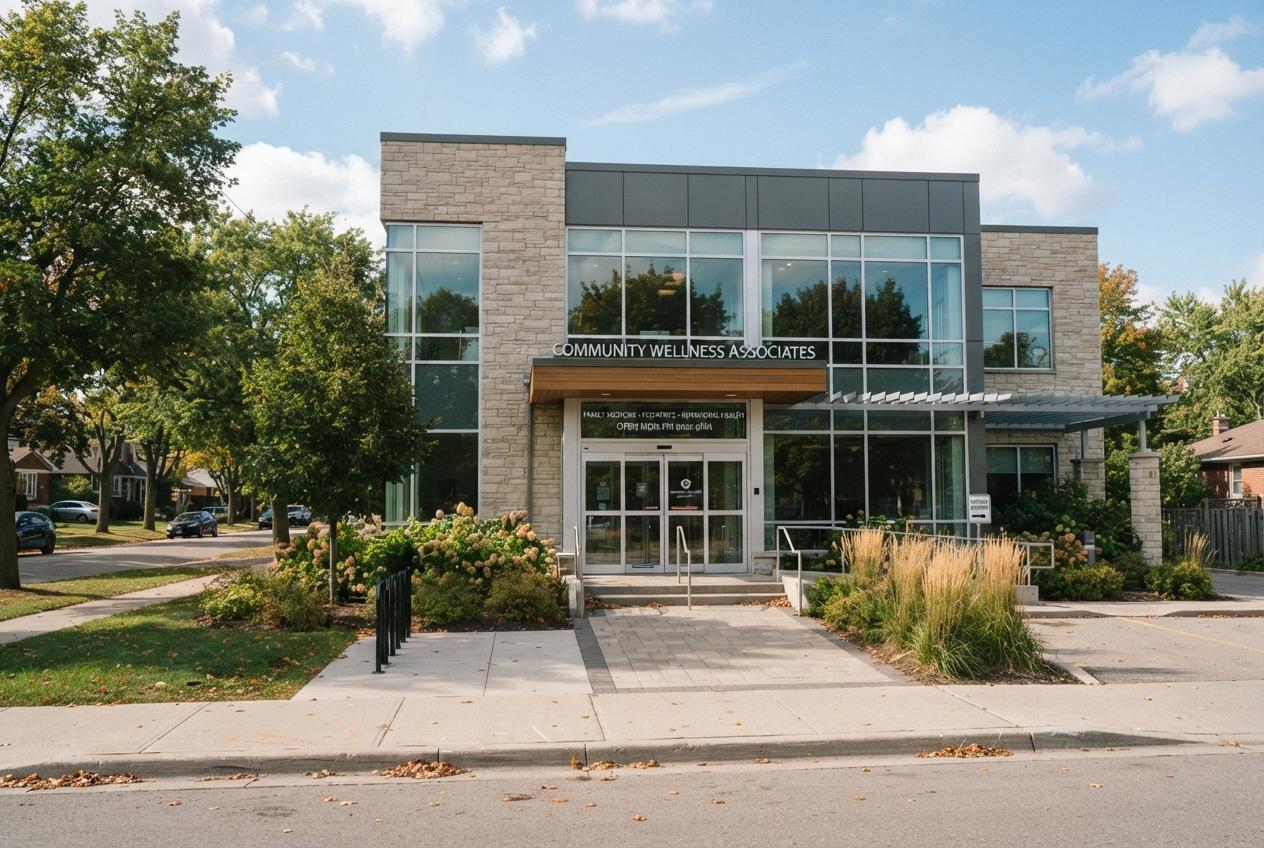
Shoppers of information and worried families alike are watching as several Massachusetts health centres scale back gender‑affirming medical care for minors; activists say the state attorney general should do more, and the shift matters because it affects access, funding and whether clinics feel able to provide care.
Essential Takeaways
- Who pulled back: Fenway Health, Outer Cape Health Services and Baystate Health publicly stopped prescribing hormones or puberty blockers to minors in recent months, citing federal funding and compliance concerns.
- Legal context: Massachusetts Attorney General Andrea Joy Campbell issued an advisory saying federal law does not ban transgender youth care and that cessation could be discrimination under state law.
- Provider caution: Some clinics say their decisions were operational and compliance‑driven, not a change in commitment to patients; others redirected medication care to specialised providers.
- Activist demand: Groups like Protect Trans Futures want the AG to investigate, pressure clinics to resume services, and consider litigation; more than 3,000 people joined an open‑letter campaign.
What actually changed at clinics, and how it feels on the ground
Families noticed a quiet but swift switch: scheduling calls that used to lead to prescriptions now end in referrals or explanations about federal rules, and that uncertainty feels sharp and immediate. Fenway Health and Outer Cape announced they would stop providing hormones and blockers to patients under 19, while Baystate paused prescribing for those under 18 and redirected patients to other providers. According to local reporting, clinics framed these moves as steps to protect broader services that rely on federal funding, not a renouncement of care. For parents and teens who’d felt relief from medical support, the change is practical and emotional , it’s about disrupted routines and the anxiety of finding a new clinician.
Why clinics say they pulled back , federal pressure and compliance
The decisions came after clinics said they faced a squeeze from federal guidance and potential funding risks. Outer Cape’s chief executive described their choice as operational and compliance‑related, telling local media they’re watching legal guidance closely and may reassess services as rules evolve. That explanation tracks with similar actions elsewhere, where hospitals hesitated to provide certain treatments while federal policy shifted. For families this means careful questions: is a clinic’s pause temporary while it secures legal clarity, or is it a longer change in practice? When you phone your provider, ask specifically whether care is paused, where referrals are being sent, and how long they expect the change to last.
The attorney general’s advisory , words, limits, and activists’ response
Massachusetts’ attorney general issued a legal advisory stating that federal law does not bar medical professionals from providing hormones or puberty blockers to people under 19, and warned clinics that stopping such care could amount to discrimination under state public‑accommodations law. Activists, however, say an advisory doesn’t go far enough. Protect Trans Futures and others want investigations, public pressure and potential litigation to force clinics to restore services. Their argument is blunt: without stronger enforcement, clinics that bow to federal pressure risk creating a precedent that reduces access across the board. The AG’s advisory clarifies law, but activists want follow‑through.
How other states and systems reacted , the national picture
This pullback isn’t only a Massachusetts story. Hospitals and health systems in other regions have similarly reduced or halted youth gender‑affirming services amid federal scrutiny and shifting guidance. Reporting from Virginia and other states shows a pattern: large health systems paused services, sometimes transferring care to specialised clinics. The trend highlights a wider tension between clinicians’ judgment, legal uncertainty and the practical need to safeguard institutional funding. If you live outside Massachusetts, check whether nearby large systems have issued similar announcements; if you’re in a region with fewer specialised providers, travel and wait times can become an added barrier.
Practical steps for families and advocates right now
First, don’t assume a permanent loss of care , ask clinics what “paused” means, whether they’re still offering mental‑health support, and where they’re referring medical treatment. Keep records of communications, appointment attempts and denials; these details matter if legal action follows. Connect with local advocacy groups , they’re compiling testimonies and organising letter campaigns to the attorney general. Finally, explore alternative providers early: regional transgender health clinics, specialised telehealth services and community health centres may have pathways for ongoing medication management. A pragmatic, paper‑trail approach helps families navigate the immediate disruption while advocates press for systemic solutions.
It's a small but consequential shift that calls for vigilance, paperwork and community pressure to keep care accessible.
Source Reference Map
Story idea inspired by: [1]
Sources by paragraph: