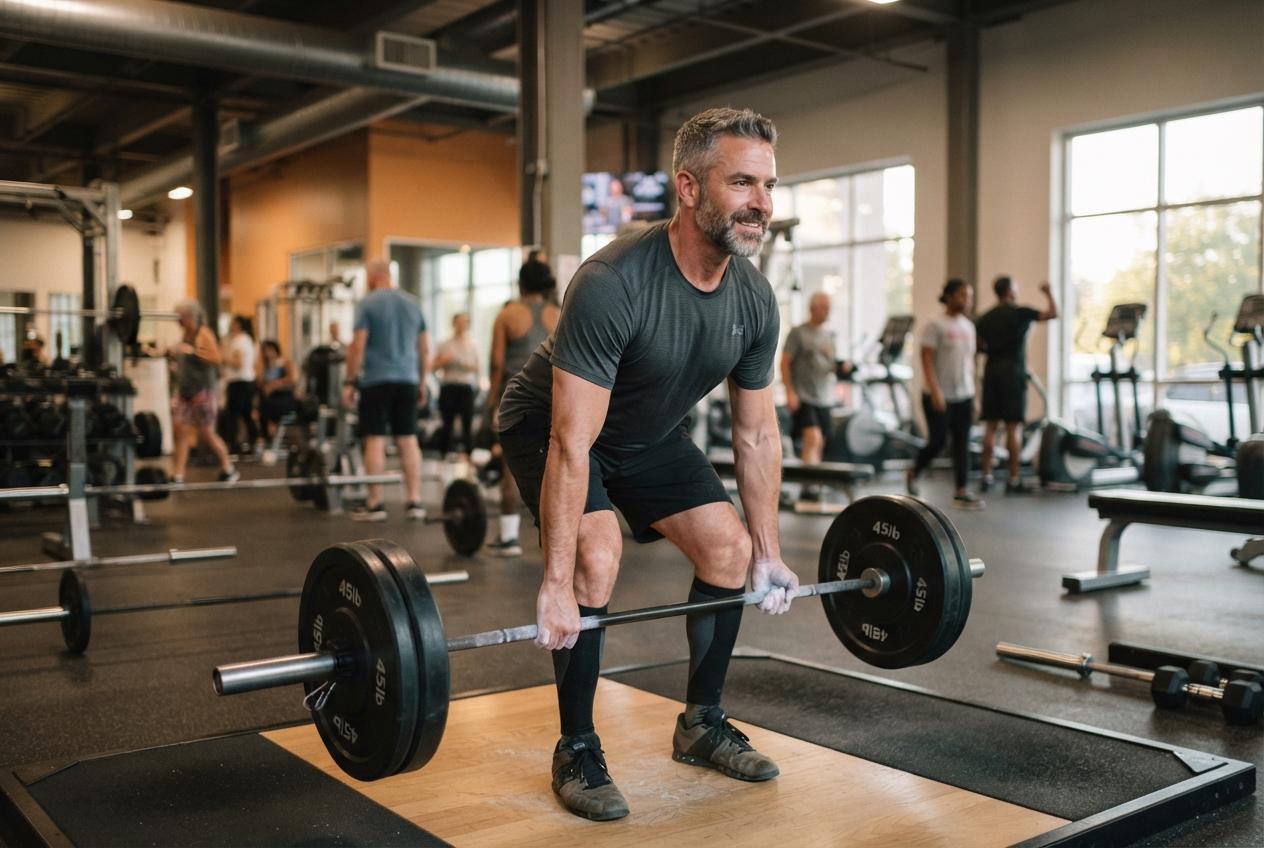
Shoppers and fitness fans are shifting priorities: many men over 40 want visible abs, yes, but they also want strength, recovery and longevity , and that matters more than ever. Here’s a practical, science-backed plan for strength training, nutrition and rest that actually fits a busy adult life.
Essential Takeaways
- Strength-first approach: Compound lifts like squats and deadlifts build muscle and force your core to work as a stabiliser, not just an isolated ab routine.
- Nutrition matters: Prioritise lean protein, vegetables and whole grains to reveal abs while preserving muscle and aiding recovery.
- Recovery is vital: Quality sleep, mobility work and scheduled rest days cut injury risk and keep gains coming.
- Functional over cosmetic: Planks, anti-rotation drills and loaded carries improve posture and daily performance, not just mirror looks.
- Sustainable goals: Aim for energy, confidence and function , visible abs can follow when training and diet are consistent.
Why compound lifts are the short-cut to a shredded-looking midsection
Start with the biggest fact: compound movements recruit more muscle and burn more calories than endless crunches, and that helps reduce body fat while building lean mass. According to fitness experts, squats, deadlifts and rows force your torso to stabilise heavy loads, giving your core a far more functional workout than sit-ups ever will. Trainers who work with clients over 40 say those moves also help preserve bone density and joint health, which becomes increasingly important. If you’re short on time, prioritise two full-body strength sessions a week with a focus on those big lifts , you’ll get more core benefit in an hour than with a hundred crunches.
Nutrition: the reveal starts on your plate
Here’s the blunt truth: abs are largely made in the kitchen. After 40 your metabolism changes and protein becomes non-negotiable to preserve muscle mass and support recovery. Swap a couple of carb-heavy meals for protein-rich plates , think grilled fish, lean poultry or plant-based protein with plenty of veg. Small, sustainable swaps matter more than guilt-driven restrictions; hydration, fibre and healthy fats keep you full and less likely to reach for late-night indulgences. For men balancing work and family, simple rules , protein at every meal, colourful veggies, and limiting night-time alcohol , are the sort of habits that add up.
Recovery: why rest is no longer optional
You used to be able to grind through more sessions and less sleep; now recovery is the engine of progress. Quality sleep, active mobility, foam rolling and planned rest days let muscle repair and reduce injury risk, particularly as recovery windows lengthen with age. Coaches recommend scheduling at least one full rest day after heavy sessions and using lighter days for mobility or low-impact cardio. Think of recovery as training time too , better-rested muscles lift heavier tomorrow, and consistency beats sporadic intensity every time.
Functional core work that actually improves posture and performance
If you want abs that do more than look good, swap isolation exercises for anti-rotation work, planks, hanging leg raises and loaded carries. These moves strengthen the deep core that supports your spine and helps you stand taller , which instantly improves how you look and feel. Practical progressions, like increasing plank time or adding a farmer’s walk, translate to everyday wins: less back pain, easier lifting, better balance on hikes or nights out. Coaches note that men who focus on function often report feeling more confident, which is itself a powerful motivator.
Mental and social context: reframing goals in midlife
Body image pressures are real, especially within gay culture where youth is often prized. But many men over 40 find that shifting goals from chasing perfection to chasing vitality changes everything. Strength, humour, authenticity and the ability to enjoy life often score higher than a six-pack in a dating app photo. Community shifts are happening too; more spaces now celebrate diverse bodies and health-first approaches. Set targets that include performance markers , lift a heavier deadlift, finish a long hike , and you’ll find physical changes follow without the burnout.
Closing line It’s not about chasing your twenties; it’s about training smarter, eating sensibly and recovering properly so you can enjoy the next chapter with strength and confidence.
Source Reference Map
Story idea inspired by: [1]
Sources by paragraph: