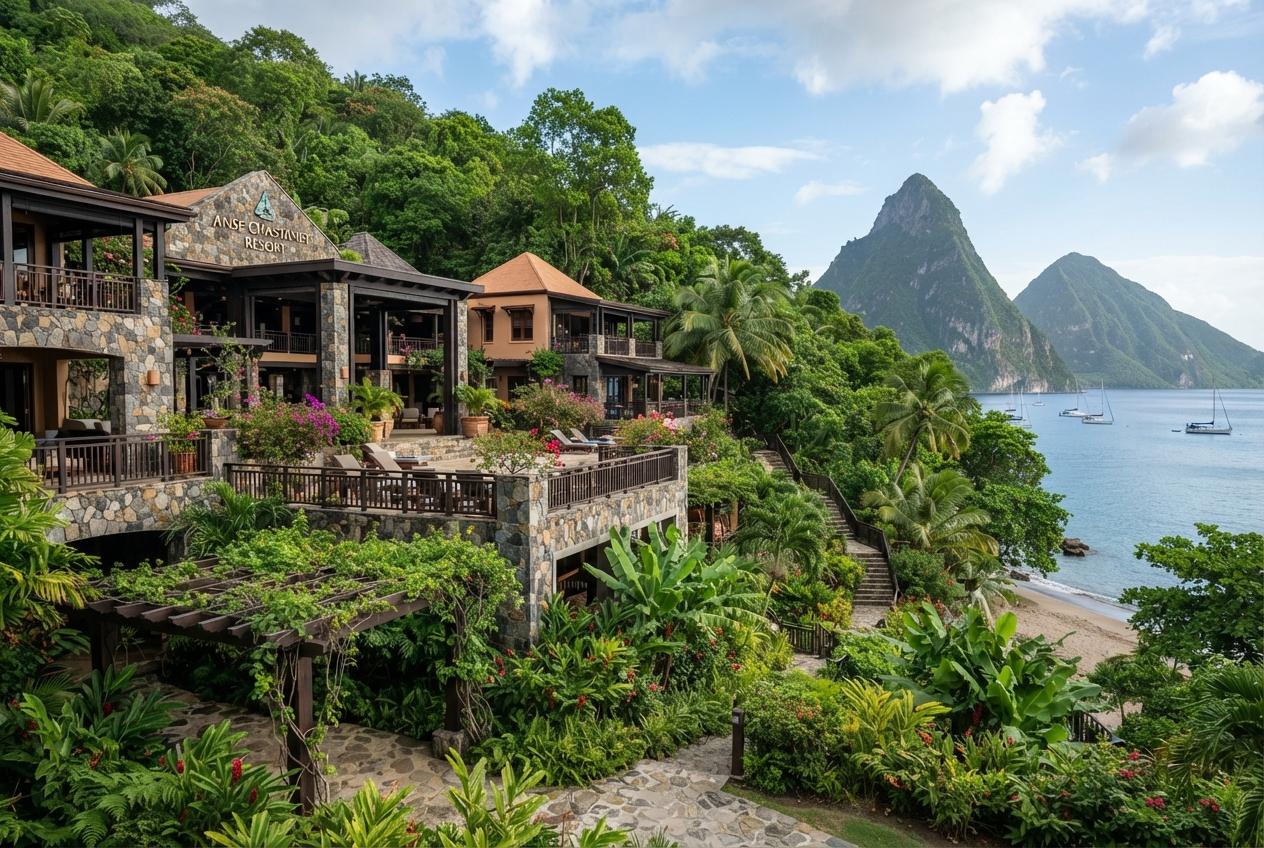
Discover why Saint Lucia still charms travellers even as its legal landscape lags behind; this guide explains who it suits, where to stay, what to watch for, and how to plan a discreet, delightful Caribbean escape.
Essential Takeaways
- Legal reality: Consensual same-sex activity has been criminalised historically, though recent court rulings and international pressure are changing the legal picture; check the latest before you travel.
- Safety note: General crime , robbery and assault , is the immediate risk for tourists, so practical precautions matter more than public displays of affection.
- Best stays: Upscale international hotels and established resorts tend to offer the most comfortable, discreet experiences; Expedia tags some properties as LGBTQ+ friendly.
- Practical vibe: Saint Lucia is ideal for romantic, nature or luxury-focused holidays if you’re willing to be discreet; it’s not yet a bright LGBTQ+ nightlife hotspot.
- Plan ahead: Use the new official stlucia.org site for deals and ask hotels directly about staff training and local attitudes.
Why Saint Lucia still tempts LGBTQ+ travellers , and where it falls short
The island’s volcanic peaks, rainforest trails and silky beaches make it instantly photogenic and emotionally restorative. The Saint Lucia Tourism Authority’s newly redesigned stlucia.org leans into that appeal with a summer campaign aimed at recharging and romance, which matters if you’re choosing a destination for scenery and service. But the legal protections for LGBTQ+ people don’t fully match the postcard-perfect image. According to human rights reporting and recent court activity, laws criminalising same-sex conduct have historically been on the books, and discrimination protections are limited. That gap shapes what you can comfortably expect from a visit.
The legal update you need to read before booking
Legal status matters because laws can affect how visible you feel and how local authorities might respond to incidents. Human Rights Watch and regional bodies reported movement in the courts in 2025 toward decriminalisation, and international organisations like UNAIDS and the Inter‑American Commission have been active on related issues. So, don’t rely on memory or hearsay , check up-to-date sources and travel advisories. If there’s one practical tip: assume the legal framework may not protect you fully and factor that into choices about public behaviour and meeting people you don’t know well.
Safety on the ground: common-sense tips that actually help
U.S. State Department guidance places emphasis on crime risks such as robbery, assault and burglary rather than specifically anti-LGBTQ violence. That means many of the same precautions apply: don’t walk alone late at night on poorly lit streets or remote beaches, use licensed taxis, and avoid carrying obvious valuables. For LGBTQ+ travellers add a small layer of discretion: keep public displays of affection low-key outside resort areas, avoid meeting strangers in isolated spots, and ask your hotel about how staff handle LGBTQ+ guests. Reputable resorts usually offer a quiet, well-managed bubble but the wider community may be more conservative.
Where to stay for the most relaxed experience
If you want minimal fuss, choose established luxury or all-inclusive properties where staff are used to international clientele and privacy is built into the experience. Resorts such as Secrets St. Lucia Resort & Spa, Zoëtry Marigot Bay, and Windjammer Landing are commonly recommended and often tagged by booking platforms as LGBTQ+ friendly. Ask before you book: enquire about inclusivity training, guest policies, and whether the property has experience hosting same-sex couples. That small conversation can save awkwardness on arrival and help you pick the right vibe , adults-only, family-friendly, or lively.
When Saint Lucia makes sense , and when you should consider alternatives
Pick Saint Lucia if your priority is romance, nature, good food and a high-quality resort stay where discretion is fine by you. It’s an island for couples who want to hike the Pitons, snorkel dramatic reefs and dine under the stars without necessarily seeking overt queer nightlife. If you want an openly visible LGBTQ+ scene, legal protections and same-sex public presence, places like Puerto Rico or Curaçao may be better fits. In short, Saint Lucia is delightful for a private, luxurious escape; it’s not yet the region’s cultural LGBTQ+ hub.
How to plan: use official resources and ask the right questions
Start with the revamped stlucia.org for special offers and curated experiences, then follow up directly with hotels about LGBTQ+ friendliness and safety protocols. Check travel advisories from your government and scan recent reports from rights organisations to get the latest legal context. When you arrive, let trusted venues guide evening plans, carry contact details for your embassy, and keep a low profile in unfamiliar neighbourhoods. A little preparation turns a potentially cautious trip into a relaxed holiday.
It's a small change in planning that can make every Saint Lucia getaway feel safer and more enjoyable.
Source Reference Map
Story idea inspired by: [1]
Sources by paragraph: