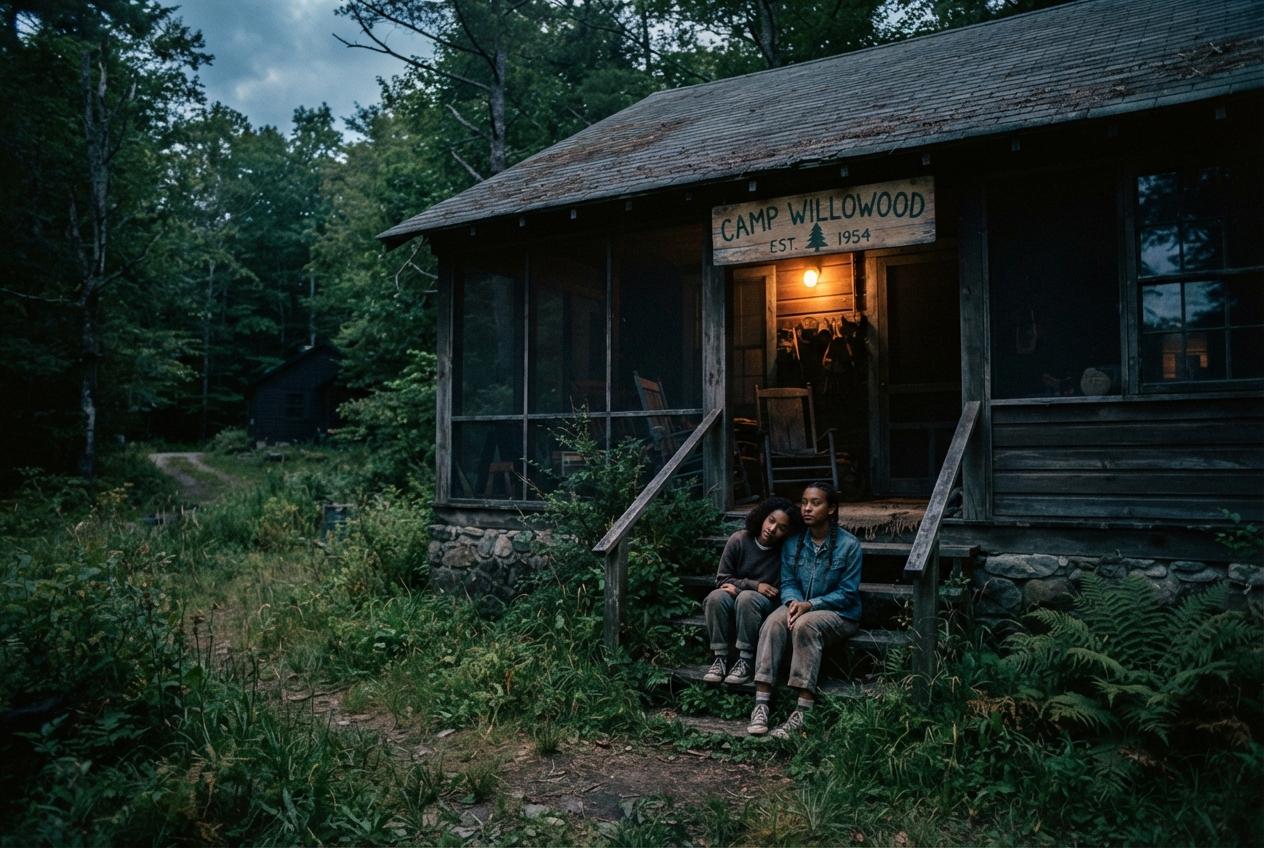
Shoppers and cinephiles are flocking to a fresh, playful horror that folds queer desire into vintage slasher lore; Jane Schoenbrun’s Teenage Sex and Death at Camp Miasma mixes blood, VHS nostalgia and identity work, and it’s showing in cinemas across the Netherlands and beyond.
Essential Takeaways
- Retro look: Hand-painted sets and 1980s VHS-style props give the film a tactile, nostalgic feel.
- Queer coming-of-age: The story uses slasher tropes to explore sexual awakening and identity.
- Homage and critique: Schoenbrun balances reverence for classics with a knowing critique of franchise culture.
- Atmosphere over gore: The film leans on mood, mystery and character rather than relentless splatter.
- Widely praised: The movie debuted at Cannes, won the Queer Palm and is playing in several Dutch arthouse venues.
A slasher that smells faintly of tape and summer camp
The opening image feels like a memory: dusty videotapes, painted backdrops and a sun‑bleached camp that hums with adolescent hunger. Jane Schoenbrun’s film hits you first as atmosphere, all texture and light, and then as a coming‑of‑age in which the monster is as much inherited culture as it is a blade in the night. Critics and festival audiences noticed the sensory detail , the film looks and feels lovingly staged.
Schoenbrun built this on a life spent in genre cinema, mixing formal affection with personal stakes. According to coverage of the Cannes premiere and subsequent reviews, the movie trades direct references for a pastiche of Friday the 13th–era mythos, which gives it room to interrogate how those films taught generations what to fear and desire.
Practical tip: go for a late screening in an arthouse where the projection and sound are warm; the tactile design rewards a proper theatrical experience.
Why it’s both homage and takedown
There’s a clever tension at the film’s heart: it revels in the slasher’s pleasures while pointing out the genre’s moralising impulse. Schoenbrun said in interviews that they’re less interested in labelling the slasher “good” or “bad” and more in tracing where cultural messages come from and how they shape us. That ambivalence makes the film feel generous rather than didactic.
This is why fans of retro horror will recognise familiar beats , prom scenes, camp rituals, the lone “final girl” mustering survival , yet feel the rug pulled subtly under those expectations. Expect winks to the canon but also a steady recontextualisation of why those tropes mattered.
If you’re forming an intro list to queer cinema through genre, this one sits neatly beside Schoenbrun’s earlier work and offers a good talking point about reclaiming painful or confining narratives.
Characters, camp and a Norma Desmond-ish ghost
The central performance threads the personal through the mythic. Filmmaker Kris, a devotee of the fictional Camp Miasma franchise, seeks out Billy, the original star who never left the set. That meeting is both eerie and intimate, with the older star resembling a Norma Desmond figure who knows the machinery of fandom and studio churn.
Reviews note the film’s interest in how franchises fossilise desire: sequels and merchandising keep the characters alive while often draining them of nuance. Schoenbrun uses that decay as narrative fuel, so the haunted set becomes a mirror of identity work , how someone learns to love what once hurt them.
Viewer note: the movie’s emotional register often pivots between wry and tender, so be prepared for laughter followed by a quietly unsettling turn.
Design choices that feel like a VHS sleepover
Schoenbrun’s team pulled inspiration from everything from Japanese ghost cinema to retro box art , the painted sets and props aren’t just decorative, they’re narrative shorthand. The result is a film that looks handcrafted, like a fan’s dream turned production design manifesto.
That aesthetic choice also tracks the film’s thesis: the physical trappings of fandom , tapes, posters, merch , carry memory and meaning. Industry observers say this tactile approach makes the movie feel less like a polished studio rewrite and more like an intimate artefact.
Practical viewing advice: if you love set detail, linger in the credits or watch with a friend who notices small visual jokes; there are rewards in the margins.
What it means for queer storytelling in genre cinema
Schoenbrun’s film arrives at a moment when genre cinema is happily mixing identity politics with pulpy pleasure. After two earlier queer‑leaning films, this one cements their interest in using horror’s formal tools , portals, doubles, haunted spaces , to tell inward stories about desire and becoming.
Industry reaction and festival acclaim suggest the film will influence other makers who want to marry genre mechanics with personal narrative. For audiences, it’s an invitation to enjoy the genre’s thrills while recognising the cultural freight those thrills carry.
Final thought: it’s a small reclamation , one painted set, one tape, one character at a time , that makes every scream feel oddly like a hello.
Source Reference Map
Story idea inspired by: [1]
Sources by paragraph: