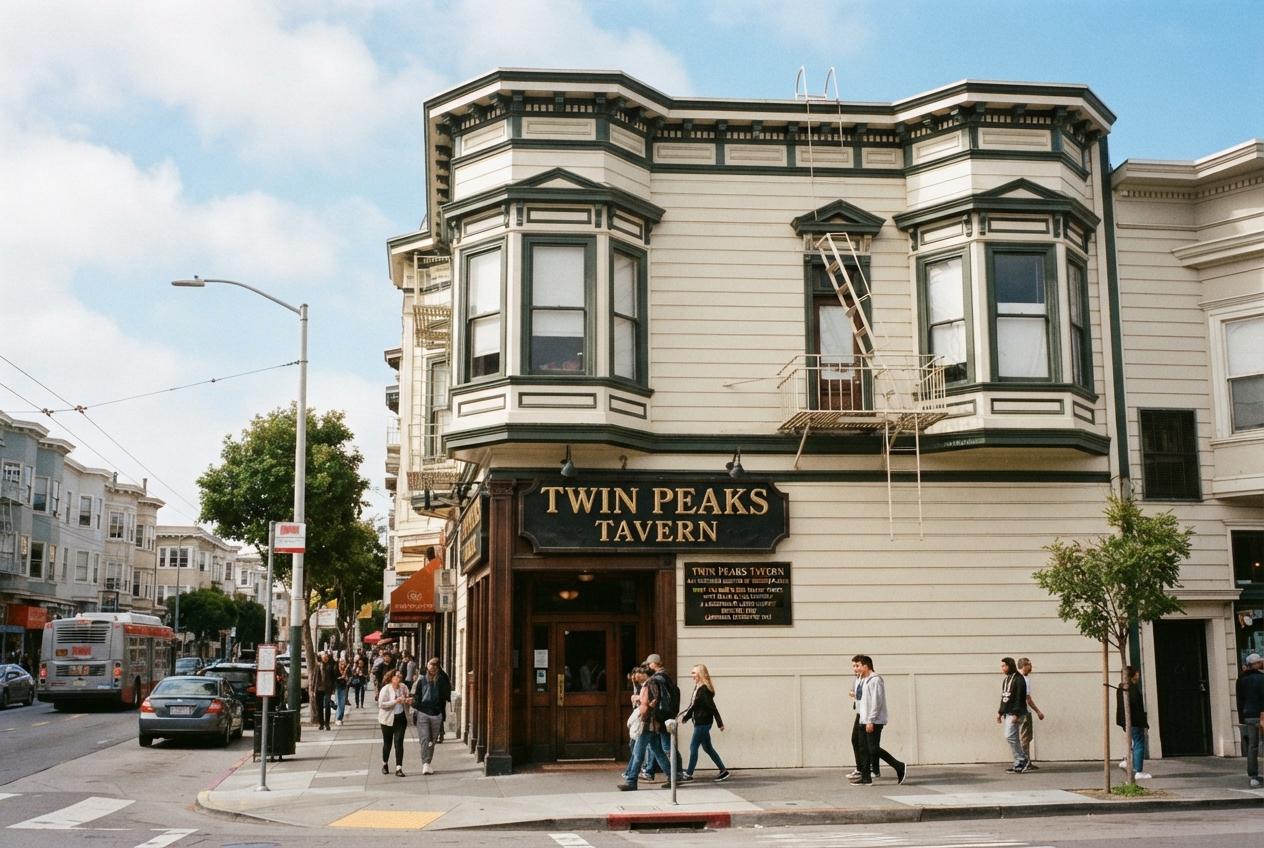
Shoppers, diners and locals are noticing a quiet reclaiming of North Beach’s queer past as city officials move to landmark three sites tied to LGBTQ history; it matters because these streets tell stories that risk vanishing amid development and changing neighbourhood life.
Essential Takeaways
- Historic vote: The Historic Preservation Commission voted 5–0 to support landmarking three North Beach properties linked to LGBTQ history, sending the matter to the Board of Supervisors.
- Owners matter: One high-profile site , the Masonic Temple at 1111–1171 California Street , will not be advanced now because its owners opposed designation.
- Art and memory: The Masonic building houses an expansive endomosaic by Emile Norman and Brooks Clement, a gay artistic couple whose work adds cultural significance.
- Next steps: The Board of Supervisors will consider the nominations in September; city planning staff plan further talks with property owners.
- Local feel: Supporters say landmarking protects the neighbourhood’s character and preserves sensory traces , the murals, façades and gathering spots , that still resonate.
Why three North Beach sites stood out this month
The commission’s unanimous support signals how visible and textured North Beach’s queer history is, with storefronts, clubs and cultural venues that still catch the eye and the ear. According to coverage of the vote, the move means the sites will now go before the Board of Supervisors when it returns from recess. You can almost hear the espresso machines and snippets of conversation that once filled those rooms , it’s part of why locals want these places recognised.
The nominations grew from a district-wide effort led by Supervisor Danny Sauter to catalogue and protect historically significant properties. That catalogue ranges from the famous , think Transamerica Pyramid , to more intimate locations that carried the rhythm of queer social life. Landmark status is a civic way of saying, “We won’t let this memory slip away.”
The Masonic Temple: art, owners and a pause
The Masonic Temple on California Street became the story within the story because of the jewel-like endomosaic by Emile Norman and Brooks Clement , a couple well known in San Francisco’s artistic circles. The window stretches the length of the foyer and, as local sources note, has been a memorable sight for half a century.
But landmarking requires more than beauty; it often requires cooperation. Supervisor Sauter announced he wouldn’t advance the Masonic nomination after the Grand Lodge of Free and Accepted Masons opposed it. Planning staff say they’ll keep talking to the Masons, so this is a pause rather than an end. For now it’s a reminder that preservation is as much about people and property rights as it is about plaques.
What landmarking actually does for a neighbourhood
Landmark designation protects façades and key interior elements from insensitive alterations, and it gives communities a voice in future changes. For North Beach that matters because the area has been under development pressure and long-term residents worry about cultural erasure, not just rising rents. When officials landmark a site, they’re acknowledging layers of meaning , social, artistic and architectural.
If you’re wondering whether this will stop all change, the short answer is no. Landmarking slows certain alterations and creates review processes. For dogged neighbourhood historians and club-owners, that can be the difference between keeping a place’s soul and watching it be remodelled beyond recognition.
How this fits into wider efforts to save queer spaces
San Francisco has a long record of trying to protect LGBTQ heritage, from club-fronts in Jackson Square to tucked-away cafes and theatres. Preservationists and activists have recently argued the city should be more proactive, noting stalled efforts on other historic districts and concerns about erasure in North Beach.
Landmarking is one tool among many: local registries, oral-history projects and community-led plaques also help. If you care about this stuff, supporting local heritage groups or joining public hearings when the Board of Supervisors takes up these nominations is a practical way to help.
Practical tips if you care about preserving local history
If you want to support landmark efforts, start by attending community meetings and following the Board of Supervisors’ calendar in September. Photograph and document interiors and exteriors, donate to local archives, and speak up if you own or rent a building of interest , owner support can sway outcomes. Small gestures, like sharing memories with heritage projects, make it harder for places to disappear unremarked.
It’s a small change that can make every plaque and mosaic safer.
Source Reference Map
Story idea inspired by: [1]
Sources by paragraph: