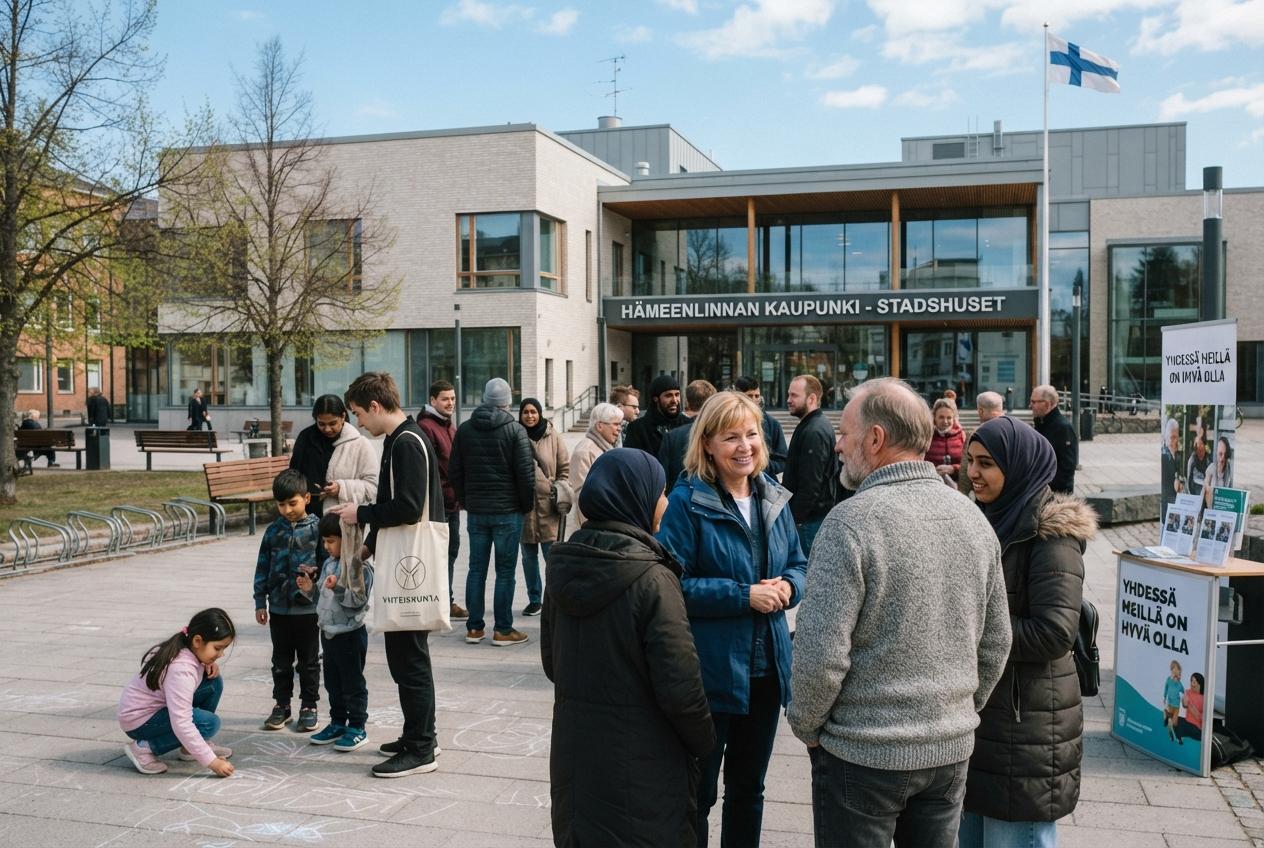
Celebrate visible change: Hämeenlinna residents, activists and local groups have turned last week’s Pride into a colourful, public reminder that equal rights don’t simply happen , they’re built. This matters because law alone doesn’t guarantee day‑to‑day equality, and local Pride helps people find community, push back against hate and keep progress moving.
Essential Takeaways
- Legal progress: Finland has removed criminal penalties and reformed laws so same‑sex couples can marry and adopt, and legal gender recognition no longer hinges on medical procedures.
- Visible impact: Hämeenlinna Pride brought rainbow flags, a parade and cultural events across the city, giving a warm, communal atmosphere and a sense of belonging.
- Everyday equality matters: Rights on paper don’t ensure respectful experiences at school, work or in services; local action and conversation do.
- Community building: The event united citizens, associations, businesses and cultural venues, creating momentum and continuity for future years.
- Practical response: Countering online hate and misinformation requires positive, evidence‑based voices and visible allies.
Why a small city Pride still packs a punch
Big festivals get headlines, but there’s something quietly powerful about a regional Pride that takes over streets, libraries and cafés. The parade and programme in Hämeenlinna made the change tangible: people saw families, co‑workers and neighbours celebrating together, which feels reassuringly human and low‑key rather than theatrical.
Local authorities and civic groups bringing events into public spaces means Pride becomes a civic rhythm, not just a nights‑out phenomenon. According to municipal listings, the city calendar included talks, exhibitions and community meet‑ups, which helps demystify queer lives and makes the movement accessible to people who wouldn’t travel for a capital‑city parade.
If you’re wondering whether local Pride matters, think of it as sustained bridge‑building: it meets curiosity with conversation and replaces distance with familiarity. For organisers, keep events varied and community‑centred , daytime family offerings and evenings for older participants widen the reach.
Laws changed, but lived equality takes longer
Finland’s legal landscape has shifted substantially over decades , same‑sex relationships are recognised, and the new legal gender rules remove some medical gatekeeping. That progress is real and worth celebrating, yet it’s only the beginning.
Equality that reshapes daily life shows up in classrooms, workplaces and shops. Municipal programmes that highlight respectful encounters and inclusive services can turn legal rights into lived realities. For local leaders and employers, small steps like inclusive HR policies, visible allyship and staff training create safer, more normalised experiences for rainbow people.
Practical tip: if you run a business or community group, a simple Pride flag, staff briefing and clear nondiscrimination statement make a big symbolic and real difference.
How Pride counters negativity and misinformation
Online hostility and misinformation still target rainbow communities, and that can make people feel isolated. Visible, evidence‑based responses are essential: community spokespeople, local politicians and institutions can correct falsehoods with calm facts and local stories.
When councils and cultural organisations back Pride events with official communications and events, it reduces the space for hate to dominate the narrative. A concert, museum display or panel talk that foregrounds lived experience also creates empathy in a way statistics rarely do.
If you see misleading claims circulating locally, consider responding with a short, sourced post or directing people to trusted resources. Civil, factual corrections often reach more people than shouty rebuttals.
What continuity means for a small‑city movement
Hämeenlinna running Pride for a second consecutive year is a meaningful sign: it suggests a network of partners willing to invest time and resources. Continuity breeds predictability , schools, unions and businesses can plan engagement, and local arts organisations can programme complementary events that deepen the conversation.
Organisers should aim for a calendar that mixes celebration and learning across seasons. That way Pride becomes less of a once‑a‑year spectacle and more of an ongoing thread in civic life, helping newcomers find community year‑round.
For volunteers and funders, think long term: small recurrent grants and a committed core team keep momentum without burning people out.
How you can contribute, even in a small way
You don’t need to be a parade marshal to make Pride matter. Show up to a talk, fly a rainbow flag at your shop, or bring a colleague to a community event. If you’re worried about saying the wrong thing, listen first , people usually appreciate honest curiosity more than silence.
Local politicians and institutions can help by modelling inclusive language and correcting misinformation publicly. And for allies: repeat supportive messages offline, too , a private word of encouragement can be as powerful as a public banner.
It’s a small, steady set of actions that turns legal milestones into everyday respect.
It’s a small change that can make every conversation a bit kinder.
Source Reference Map
Story idea inspired by: [1]
Sources by paragraph: