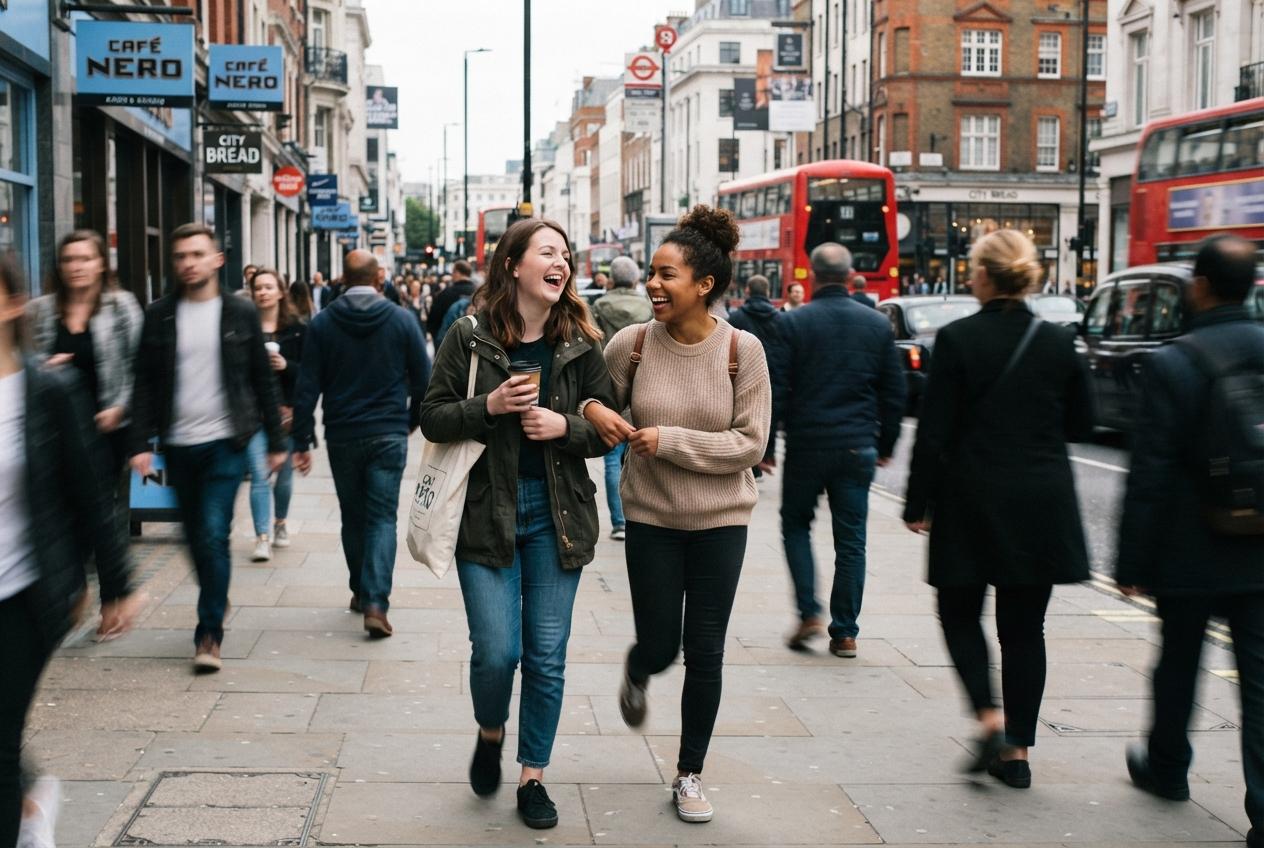
Notice a shift? Social feeds are leaning into the messy, the candid, and the unpolished , and that matters for anyone who posts, follows or finds community online. From everyday queer visibility to mental-health relief, here’s why the imperfect snapshot is winning and how to post more honestly (without oversharing).
Essential Takeaways
- Less polish, more presence: People are favouring candid moments that feel lived-in rather than endlessly edited.
- Queer visibility evolves: Ordinary, uncurated photos broaden representation beyond stylised tropes.
- Authenticity still equals choice: You can be genuine without exposing private pain; it’s about what you feel safe sharing.
- Practical switch-ups: Simple habits , keep the camera rolling, skip the 47-take ritual, save the carousel , make candid posting easier.
- Small emotional wins: Blurry laughs or real laundry in the background often feel warmer and more human than perfection.
Why unfiltered snaps are suddenly more interesting
There’s a tactile pleasure in seeing a feed that smells faintly of real life , a coffee ring, a wrinkled tee, a mid-bite grin. After years of curated perfection, many people are tired of the performance. According to recent academic conversations about online visual cultures, this pull toward the unvarnished is part pushback, part fatigue with constant self-optimisation. The result: candid images feel intimate because they suggest someone lived the moment, not staged it.
What this shift means for queer representation
For LGBTQ+ communities, the move away from the glossy selfie is quietly radical. Historically, queer visibility online has often favoured certain aesthetics and bodies. Sharing mundane moments , cooking, commuting, laughing badly , expands the story of what queer life looks like. Scholars have explored how profile pictures and pictivism affect identity and politics; here, everyday photos are a form of gentle activism, showing lives that aren’t always performance-ready or commodified.
How to post candid without oversharing
Authenticity and vulnerability aren’t the same thing. You don’t owe the internet your rawest pain, but you can give it slices of reality. Practically, try letting your phone camera run during a hangout so you catch accidental gems, or resist deleting photos simply because your eyes are half-closed. Keep privacy in mind: save deeply personal stuff for close friends or private stories. The trick is to post because the memory matters to you, not because you’ve reverse-engineered the algorithm.
Simple habits that make candid posting easier
Swap the 47-take ritual for a "one-take, one-save" rule once in a while; it trains you to accept the imperfect. Use carousels to tell the fuller story , the posed shot followed by the ridiculous outtake , so your feed has texture. If you curate for mood, set aside a separate account or saved collection for highly polished images. Industry and academic observers note that these small changes reduce performative pressure and can make social media feel less like a runway and more like a living room.
Why the imperfect feels more trustworthy
There’s a psychological relief in feeds that show the mundane; they lower the bar of comparison and remind viewers that real lives are messy. Reports and essays in media studies suggest that audiences respond emotionally to content that conveys presence over perfection. So when you see a sweaty post-gym selfie or a blurry dance-floor shot, your instinct might be to recognise the person behind the image rather than judge the picture. That recognition is quietly nourishing.
It's a small change that can make every scroll feel a little more human.
Source Reference Map
Story idea inspired by: [1]
Sources by paragraph: