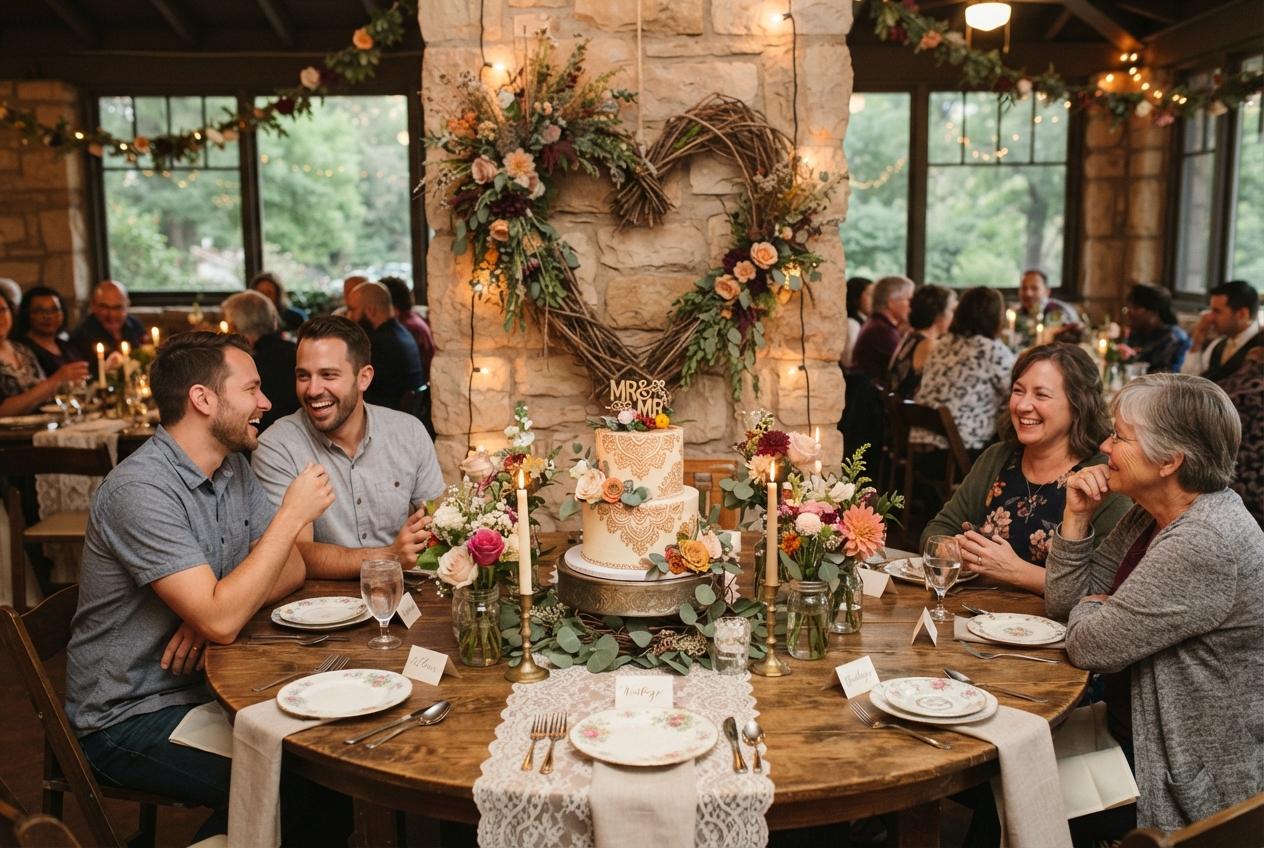
Shoppers are thinking small and joyful , intimate wedding tables topped with individual cakes are trending for 2026. Rachel and Jada’s Salt Lake City celebration shows why: tiny cakes mean less waste, more flavour variety, and a warm, vintage-packed reception that gets guests mixing and smiling.
Essential Takeaways
- Personal and practical: Individual cakes prevent waste and ensure guests actually eat dessert.
- Visual charm: Small cakes double as centrepieces , each one brings a unique look and scent to the table.
- Conversation starter: Guests swap slices and flavours, which naturally breaks the ice.
- DIY-friendly: Second‑hand decor and home baking make the idea budget‑friendly and eco‑minded.
- Inclusive planning: Shortlists should favour vendors comfortable with queer couples and non‑traditional formats.
Why tiny table cakes are having a moment
The image of a single multi-tiered wedding cake is shifting into something more playful and sociable, and you can practically taste the difference. Couples like Rachel and Jada replaced flowers with a different flavoured cake at every table, which turned desserts into decor and got people walking around, trying new things. Industry roundups from wedding trend sites show couples want flavours, textures and practical serving solutions this year, not just a photo moment.
This approach answers a couple of perennial planning headaches , guests not liking the chosen flavour, or the cake sitting untouched until the end of the night. If you want to skip one big moment of stress and give everyone a better dessert experience, small cakes spread the joy and reduce leftovers.
Design tricks: make each table look like its own tiny patisserie
Small cakes are unexpectedly versatile visually. You can match them to place settings, make each one a slightly different vintage style, or use the cake as the table number like Rachel and Jada did. Trend pieces on 2026 cake design highlight texture , russet glazes, dried florals, and simple piping , which works perfectly at this scale.
Practical tip: pick three or four base designs and rotate colour or toppers so the visual palette is cohesive without being matchy. Use lightweight cake boards or vintage plates sourced second‑hand to add character without extra cost.
Flavour planning and logistics that actually work
Instead of guessing which single flavour will satisfy everyone, offer a menu of smaller cakes: one citrus, one chocolate, one floral‑infused, and a dairy‑free or gluten‑free option. Wedding cake trend writers recommend clear labelling so guests with allergies can choose confidently, and a small “tasting plate” sign encourages swapping.
From a service standpoint, have a cake runner or a friend coordinate quick slices, or set out small cake knives at each table. If catering staff are stretched, pre‑slice the cakes into needle‑thin portions so guests can help themselves and mingle with dessert in hand.
How this idea fits into budget and sustainability goals
Tiny cakes can actually be kinder to the purse and the planet. Smaller individual cakes often use less fondant and structural supports, and a family of flavours means less bulk to dispose of. Couples who favour thriftier, more meaningful days , like those who fill their tables with heirloom napkins, found vases or DIY centrepieces , will find this feels intentional, not gimmicky.
If you’re aiming to save, ask a local baker for sample-sized tiers or look into amateur bakers who can decorate consistent mini cakes at lower prices. Wrap leftovers in compostable containers or send them home with guests as a favour.
The inclusivity advantage: wedding details that welcome everyone
Rachel and Jada’s wedding also reminds planners that many corners of the industry still assume straight couples, which can make booking vendors awkward. Choosing bakers and suppliers who highlight inclusive language on forms and are experienced with non‑traditional weddings makes the day smoother and more celebratory for everyone.
When you’re interviewing vendors, ask how they handle alternative cake setups and whether they’ve worked with queer couples or non‑binary clients. The right team will be excited about creative dessert plans and respectful about wording, timing and presentation.
It's a small change that can make every dessert moment sweeter.
Source Reference Map
Story idea inspired by: [1]
Sources by paragraph: