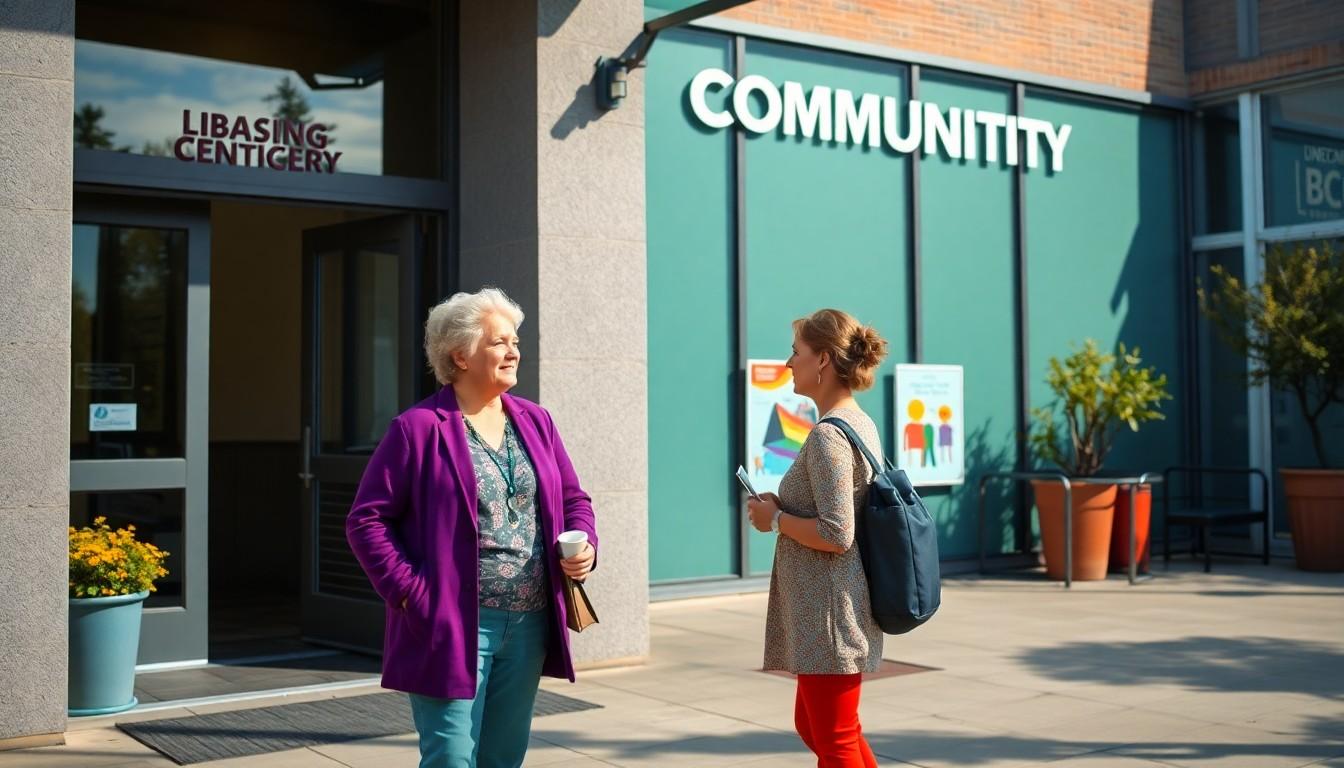
Notice how awkwardness can hide a chance to belong? Many people are discovering that small steps , a shared coffee, a story swap, a gentle correction , can turn an uneasy relationship with an older queer relative into something meaningful and not exhausting. This matters if you want connection without losing your social rhythm.
Essential Takeaways
- Intergenerational value: Older queer relatives often carry vivid stories and hard-won perspective that younger people don’t get elsewhere.
- Boundaries are okay: You can grow closer while still steering conversations away from topics that make your friends or you uncomfortable.
- Start small: Low-pressure activities , a coffee, a walk, an event , make it easier to test chemistry without committing to forced intimacy.
- Mutual learning: You’ll probably teach each other new language, culture, and community norms; expect a few cringe moments and a lot of useful context.
- Use supports: Community groups and facilitated meet-ups can ease awkwardness and offer neutral spaces for connection.
Why intergenerational queer friendships matter , and feel weird at first
There’s something almost tactile about sitting with someone who remembers a different queer world; their recollections can be raw, funny, or painfully earnest. According to reporting on intergenerational ties in the queer community, those older relatives often have unique histories and networks that younger people haven’t seen. That novelty can feel awkward if your politics or slang don’t line up, but it also means there’s something to gain. Think of early meetings as field research rather than a performance , you’re collecting stories, not auditioning for best friend.
How to lower the pressure and open the door
If the idea of long visits makes you tense, begin with short, repeatable rituals. A monthly coffee, a dog walk, or catching a short queer film together keeps expectations reasonable and gives you a chance to notice the person rather than the perceived differences. Community groups , like local PFLAG chapters or meetup-style support groups , offer structured, safer spaces for both of you and can take the heat out of solo hangouts. They’re useful if your aunt’s social circle is small and she’s craving wider connection.
Managing moments where she says something off
You don’t have to let awkward comments slide, but you also don’t need to escalate every misstep. Practice a calm, short correction: name the effect (“That phrasing can feel exclusionary to trans friends.”), offer an alternative, and move on. That approach protects your social scene and teaches by example. If you ever feel the comment was more than a slip, pull her aside privately afterwards; public corrections can humiliate and shut future conversation down. Remember, pushing back gently shows you care about both your friends’ safety and the relationship’s honesty.
Finding shared territory even when tastes differ
You don’t need identical interests to connect. Ask about the big hits of her life , relationships, activism, favourite music, or the first Pride she remembers. Older queer people often relish telling stories, and sharing those moments can prompt surprising overlaps: a band you both love, a mutual friend, or a shared irritation about modern dating. If politics or culture feel “mainstream,” lean into curiosity: “Tell me about when you first realised you were queer.” That kind of question opens narrative pathways that small talk never will.
Balancing family dynamics and your own limits
Worrying about how your mum will feel if you spend time with her sister is normal but usually overcooked. Your relationships can coexist , you don’t have to choose. If guilt is the engine for your avoidance, call that out to yourself and set realistic, sustainable contact levels. If the aunt wants more connection than you can give, suggest group activities so she meets your friends in settings you control. In time, small, consistent gestures will feel authentic rather than performative.
Closing line Give it some time, keep the pressure low, and you might find your aunt’s cringe has a soft centre , and a few stories worth keeping.
Source Reference Map
Story idea inspired by: [1]
Sources by paragraph: