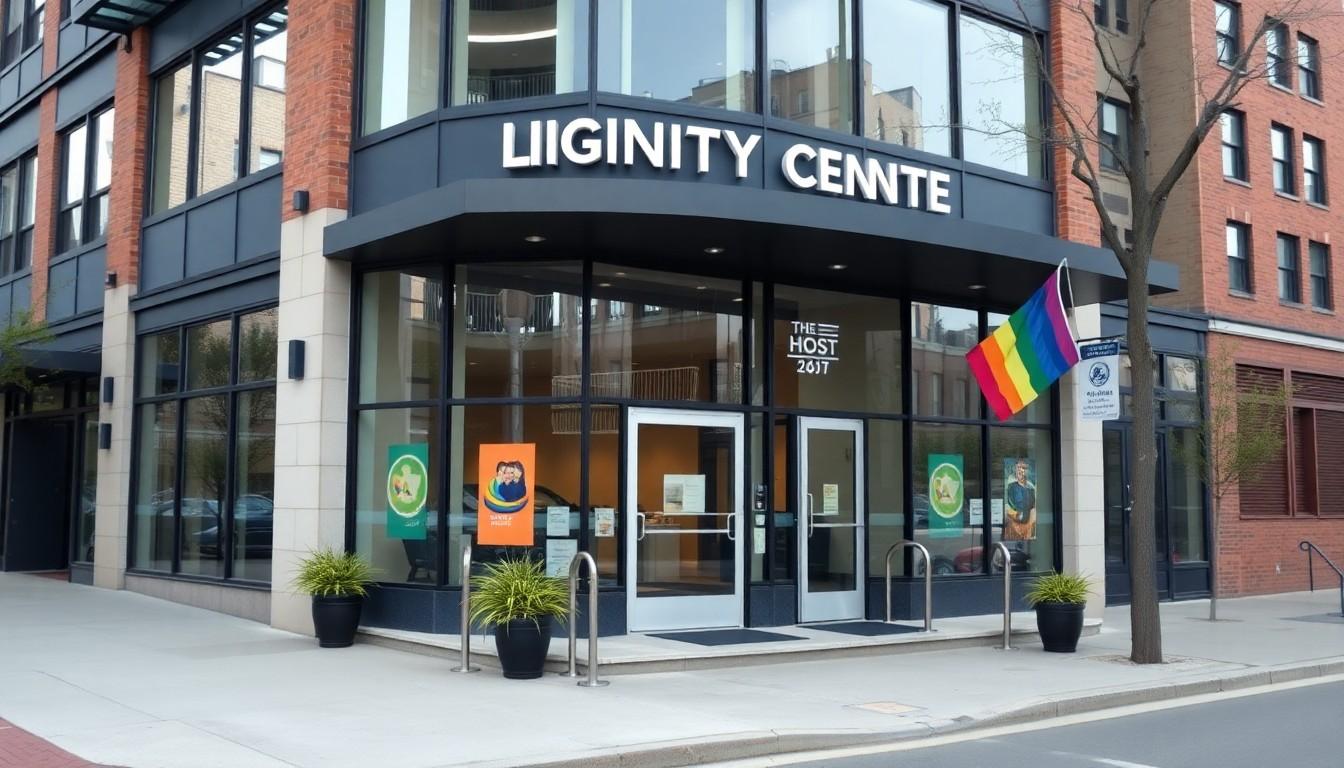
Shoppers are noticing that donors are quietly shifting where they give after Ohio’s new Senate Bill 1 changed rules for public universities; one alumnus moved a six‑figure bequest off campus to keep an LGBTQ travel scholarship alive, and others are weighing similar choices as institutions adapt.
Essential Takeaways
- Immediate impact: A named LGBTQ+ travel scholarship was removed from Ohio University and redirected to a community centre after SB 1 limited on‑campus DEI and identity‑focused support.
- Practical result: The scholarship will now serve Greater Cleveland LGBTQ+ students, including those who still attend Ohio University, via an independent LGBT community centre.
- Emotional cue: Donors report feeling torn, grateful for past ties to their alma mater, but uneasy about restrictions that block targeted support.
- What to expect: Other alumni gifts tied to specific student groups or identity‑based aims may move off campus unless policies change.
- Tip for donors: If you want your gift to benefit a particular community, consider community foundations or advocacy organisations that can legally and reliably administer it.
A direct reaction: why one alumnus moved a scholarship off campus
The clearest outcome is personal and immediate: a donor who set up a travel scholarship in memory of a friend decided to cancel a planned bequest to Ohio University and instead entrust the fund to the LGBT Community Center of Greater Cleveland. The decision came after the donor concluded the university could no longer "accept or administer" an award that clearly and reliably supported LGBTQ+ students under the new rules. It’s a quiet, human response that also makes a clear policy point: when institutions can’t implement a donor’s intent, donors vote with their wallets.
What Senate Bill 1 changes and why it matters for campus giving
Ohio Senate Bill 1 reshaped how public colleges and universities handle diversity, equity and inclusion work, imposing limits on programming linked to identity. Universities across the state are producing compliance guidance and implementation plans to interpret the law. That means scholarships, programmes or roles that were explicitly targeted to LGBTQ+ students face new scrutiny. For donors who want their gift to support a specific community, these legal changes have consequences: gifts might be restricted, repurposed, or refused if an institution can’t administer them within the law’s constraints.
Where donors are moving money: community centres, foundations and private trusts
When campus avenues narrow, donors often look to community organisations, private foundations, and national nonprofits to make sure their contributions reach intended beneficiaries. In this example, the LGBT Community Center of Greater Cleveland agreed to hold and administer the scholarship, preserving the honouree’s name and the fund’s purpose. Community organisations can be nimbler, able to award funds to students from multiple institutions and host remembrance events, so they make natural alternatives when public universities are boxed in by state rules.
What this means for students and alumni relationships
Students lose when targeted support disappears from campus life, but the new arrangements can still reach beneficiaries: the redirected scholarship will be open to LGBTQ+ college students in Greater Cleveland, including those who attend Ohio University. Alumni relationships may strain, though; donors often give because they trust their university to advance particular values. If institutions can’t fulfil that promise, alumni may choose other ways to steward their philanthropic intentions. That tension could change fundraising strategies and alumni engagement across the state.
Practical advice for donors who want targeted impact
If your aim is to support a specific population, plan for contingencies. Consider placing funds with community organisations that share your mission, or create donor‑advised funds or private foundations with clear governing documents. Talk to development officers about flexible wording that complies with law while preserving intent. Above all, get legal or philanthropic advice so your gift can be administered as you expect, even if campus policy shifts again.
It's a small change for one person, but it could reshape how Ohio donors keep commitments to students.
Source Reference Map
Story idea inspired by: [1]
Sources by paragraph: