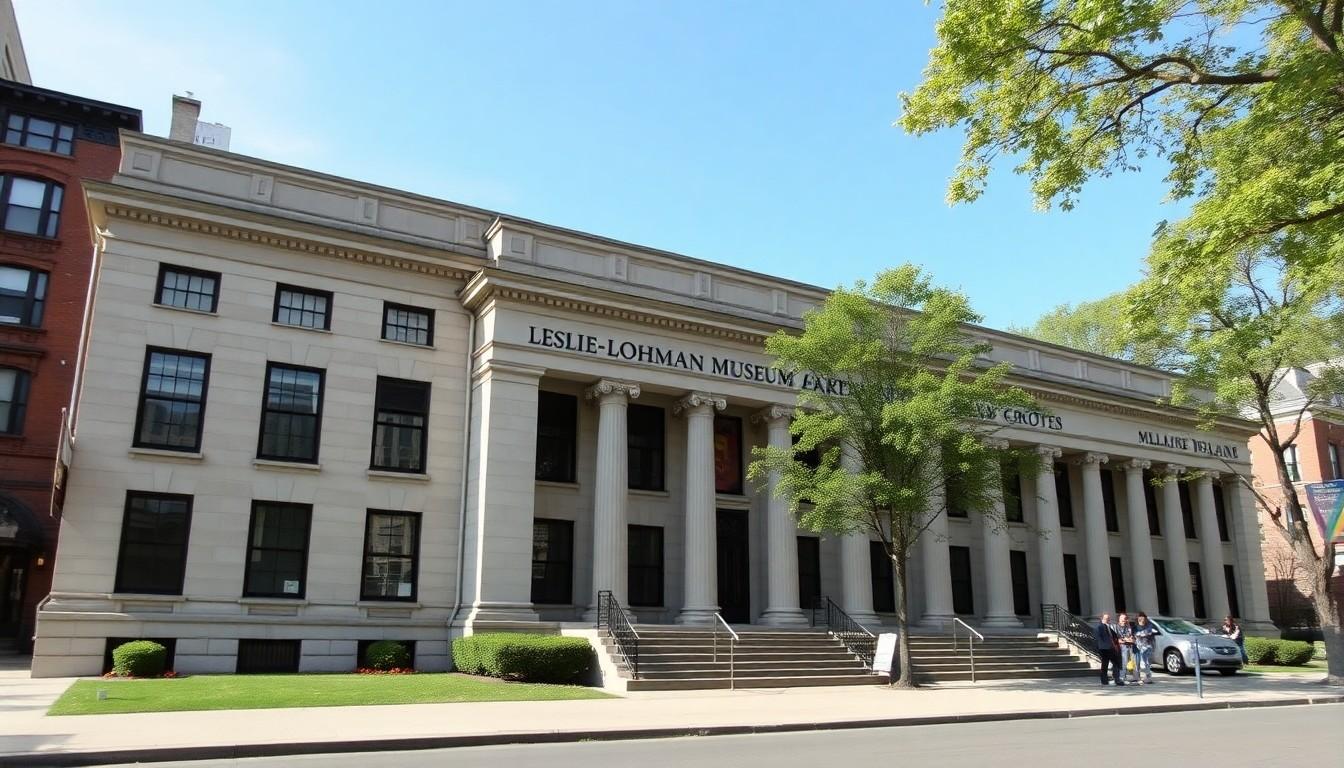
Step into a shifting cinema: visitors are invited to move screens and reshape a four-channel film that maps trans and gender‑nonconforming lives across motel rooms, deserts, and dreamscapes , a timely, tactile commission at Leslie‑Lohman that makes identity feel vividly present.
- Bold, interactive format: Four movable screens on tracks create an ever‑changing mosaic of images and sound.
- Emotional throughline: The work honours the late musician Aérea Negrot and threads her 2011 track through a 28‑minute film.
- Sensory detail: Expect layered projections, a mild hum of speakers, and occasional tactile surprises when audiences reposition screens.
- Range of performances: Eight intergenerational artists appear in scenes from BDSM rituals to desert wanderings , intimate, sometimes startling, always cinematic.
- Practical note: There’s no single vantage point; plan to revisit the gallery to catch different juxtapositions and narratives.
A cinema that asks you to touch , and think
The first thing you notice is motion: not just on the screens but in the room itself, as visitors nudge panels into new alignments and the story reshapes before your eyes. The tactile element gives the film a warm, slightly chaotic energy, the sort of buzz that makes the work feel lived in rather than boxed up. According to the Leslie‑Lohman Museum of Art, LOVER LOVE is a 28‑minute, four‑channel digital film with movable screens and an interactive speaker system, so the gallery itself becomes part of the performance.
Cheang’s idea is simple and generous , let viewers be co‑authors , and the effect is immediate. Sections of the film dovetail, collide, or drift apart depending on how screens are arranged, which means you can spend an hour and still not have seen the entire piece. If you like discovering new details, this is a film that rewards repeated visits.
An intimate tribute turned collective conversation
At its core the commission honours Aérea Negrot, whose music gives the work its title and emotional pulse. Cheang has said Negrot’s death was the impetus for the project, and the artist weaves that grief into scenes of flight and transformation , a seraph with multiplying wings appears in the animation, for instance, and the music resurfaces like a memory. Stamatina Gregory, the museum’s director of Exhibitions and Collections, describes the piece as a way of “giving Aérea the wings to fly,” and that frame gives the installation a tender, specific centre.
Beyond that personal anchor, the film opens outward to include a chorus of trans and gender‑nonconforming performers, whose contributions turn private experience into a broader, political conversation. In a moment when institutional debates around gender are intensifying, the exhibition feels less like an artwork on a wall and more like a public declaration.
Performances that surprise , from cactus needles to diner monologues
Cheang cast eight performers, ranging from a 17‑year‑old poet to seasoned activists, and the result is wildly varied. You’ll find an explicitly staged BDSM scene involving cactus needles that turns blood into blooms, alongside Monica Jones’s powerful portrayal of a sex‑worker named Vegas who claims agency amid the humdrum of a roadside diner. The imagery can be raw and funny in the same breath; visitors often laugh, wince, or go quiet.
The work also plays with surveillance motifs: an “X” projected on a box camera reads like a gun sight, a bureaucratic mark, or an erasure of identity. Those ambiguous symbols are the sort of cinematic shorthand Cheang uses to invite multiple interpretations rather than give tidy answers.
Technical ambition and curatorial care
Pulling off a movable, multi‑screen installation is no small feat. The museum reports more than a year of preparation with engineers and technicians to ensure the tracks, audio, and projections all worked reliably. There’s a structural precision behind the apparent improvisation, and that engineering lets the audience make mischief without breaking the piece.
Gregory admitted early skepticism from technical staff , which flipped to admiration at the opening , and that arc is telling. The work looks like a joyful experiment, but the logistics are tightly controlled, so the unpredictability is artistic, not accidental.
Why you should go more than once
There’s no single way to “read” LOVER LOVE. Because the screens can be rearranged, narrative threads appear and disappear; one visit might foreground a tender exchange, the next a surreal desert escape. If you care about performance, new media or the politics of gender, it’s worth returning to experience new juxtapositions and fresh sound mixes.
Practical tip: arrive early, move slowly, and let others reposition screens , the best moments happen when audiences collectively invent new framings. Bring a friend and compare notes afterwards; you’ll both remember different scenes.
It’s a small change in gallery etiquette that makes every viewing feel alive.
Source Reference Map
Story idea inspired by: [1]
Sources by paragraph: