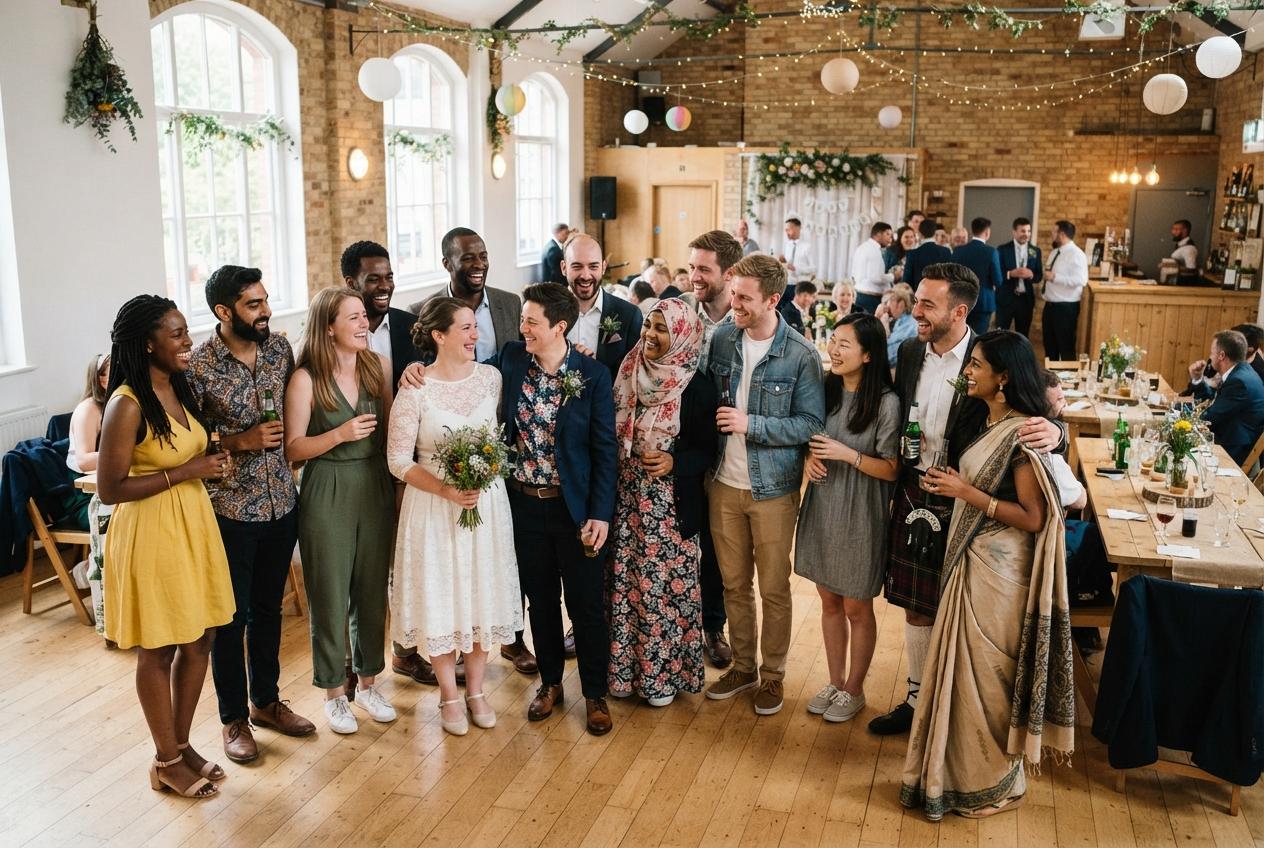
Shoppers of tradition are swapping scripts , queer couples across social media are sharing striking wedding party photos that blur gowns and suits, celebrate chosen family, and show why modern bridal parties now prioritise connection over convention. Here’s what planners and photographers say matters, and how to make a mixed, meaningful wedding crew work for you.
Essential takeaways
- Focus on people, not roles: Couples are picking attendants for reliability and emotional closeness, not gendered titles.
- Dress the way that fits: Mixed looks , suits, dresses, or coordinated separates , create a cohesive photo without forcing conformity.
- Be realistic about costs: Upfront conversations about travel, time and attire avoid resentment later.
- Practical duties still apply: Best-person responsibilities like organising, officiating, and running errands remain useful even in unconventional line-ups.
- Photos that feel honest: Photographers praise parties chosen for connection; the results look relaxed and authentic.
Why these wedding-party photos are resonating right now
A recent social post asking to see “authentic queer bridal parties” unlocked a flood of images that feel immediate and joyful, full of colour and personality. Viewers respond because these pictures show people who clearly belong together, not just outfits picked to match. Photographers and guests alike describe a warm, lived-in energy , laughter, hugs, the odd mismatched shoe , that reads on camera as honest and human. It’s a reminder that the best group shots often come from comfort, not uniformity.
Choosing attendants: look for reliability and willingness
Experts point out that the wedding party still functions as a small workforce on the day. According to etiquette and planning voices, pick people who will show up, follow through, and handle tasks calmly. That means asking, not assuming: be clear about time commitments, travel and costs. It’s kinder to let someone say no than to saddle them with guilt. Practically, make a short list of duties so everyone knows what’s expected , this keeps friendships intact and the day running smoothly.
Titles, gender and identity: flexibility beats tradition
Couples are increasingly inventing titles or swapping them , think “Man of Honour”, “Bride’s Wing”, or simply “Best Person”. Wedding photographers note that when titles reflect relationships rather than tradition, ceremonies feel more personal. The trend also shows up in attire: bridesmen and groomswomen appear in suits, dresses, jumpsuits or coordinated palettes. If you’re planning, decide early whether you want a visual theme or a “come as you are” policy and communicate it clearly to your crew.
Dressing the party: cohesion without conformity
You don’t need a single uniform to look cohesive. Popular approaches include a shared colour family, complementary textures, or a mix-and-match brief (choose one colour, pick your own style). For fast chewers or those worried about nerves, choose fabrics that travel well and conceal stains. Think about comfort as well as aesthetics; comfortable attendants relax in photos, which always looks better. For photographers, a little variety , a lapel flower here, a statement jacket there , can make group shots more dynamic.
Practical roles that still matter , even in unconventional line-ups
Titles and outfits aside, the functional duties of bridesmaids and groomsmen persist because weddings require coordination. Designate a point person for the vendor schedule, someone to manage the rings, and a trusted friend who’ll speak at the right moment. TheKnot and other planning guides still recommend these basic roles because they reduce last-minute chaos. If you’re rethinking the party, map responsibilities to personalities: assign the organised friend planning tasks, the warm speaker a toast, and the logistics-minded contact for timelines.
Planning tips photographers and planners wish you’d hear
Photographers say the most striking images come from parties chosen for relationship, not optics. So let the people who make you feel safest stand closest to you. Discuss a shot list but leave room for candid moments; many of the best frames happen between posed photos. Budget for at least one outfit rehearsal or a quick group check on the morning, especially if people are travelling in. Finally, don’t forget accessibility: consider mobility, sensory needs, and quiet spaces so everyone can enjoy the celebration.
It’s a small shift in thinking that makes a big difference: build a wedding party that reflects your life, not a template.
Source Reference Map
Story idea inspired by: [1]
Sources by paragraph: