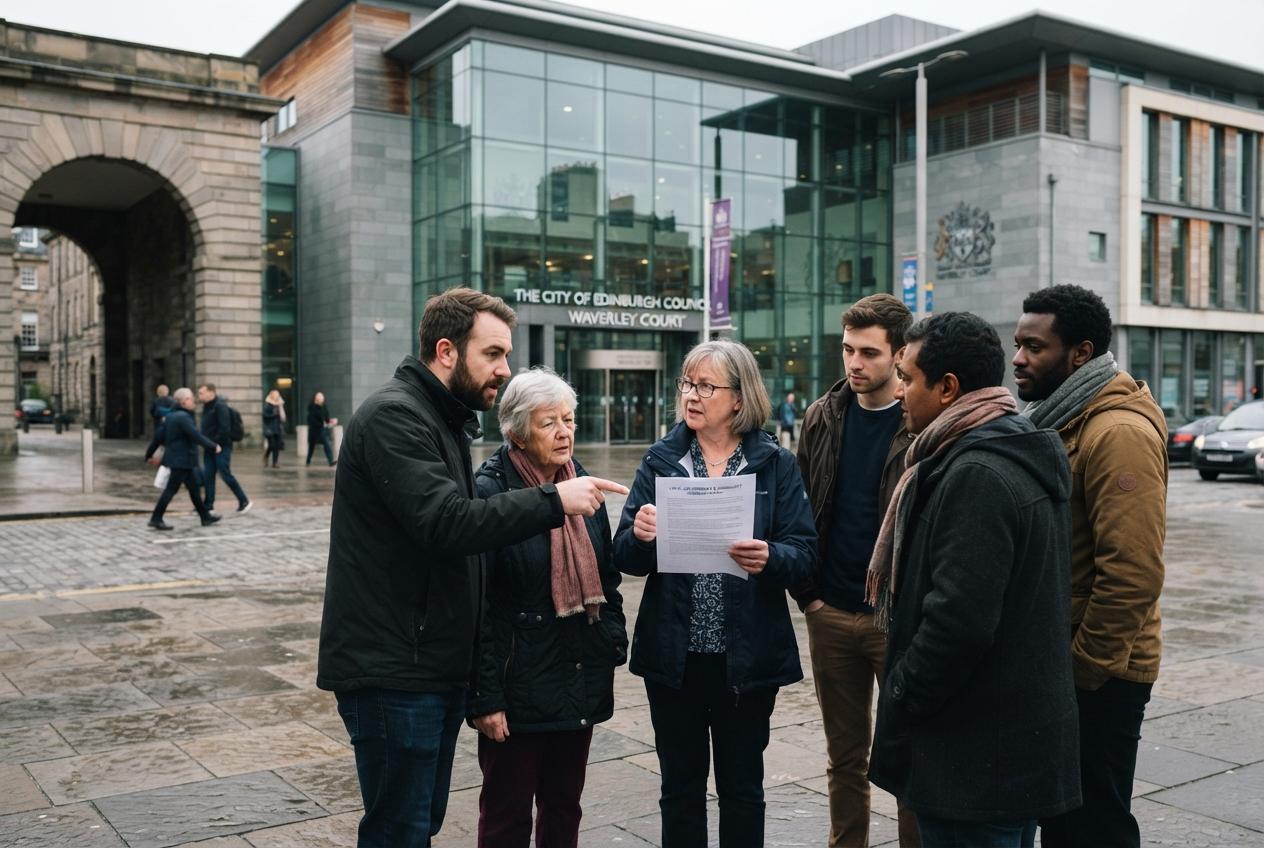
Shoppers are noticing a row over toilets and rights in Edinburgh as the council’s response to the Equality and Human Rights Commission’s updated Code of Practice sparks criticism from women’s groups and praise from inclusion campaigners , here’s what’s changed, who’s worried, and what it could mean for single‑sex spaces across the city.
Essential Takeaways
- What’s at stake: Edinburgh Council’s response to the EHRC code has been accused of prioritising trans‑inclusive language over clear plans for single‑sex facilities.
- Who’s criticising: Campaign groups including Lesbian Persistence and Edinburgh Women Rise say the report fails to address legal duties under the Equality Act 2010.
- What the council says: Officials stress the aim is clarity and protection for all service users, and that a facilities audit is underway.
- Practical detail: CBRE UK has surveyed 282 council buildings and 16 public toilets; a full review of single‑sex and gender‑neutral spaces runs to September 2026.
- Tone and next steps: The debate is legal, practical and emotional , further legal challenges and guidance changes remain possible.
What exactly did Edinburgh produce , and why people are talking about it
Edinburgh City Council drafted a response to the EHRC’s refreshed Code of Practice that leans into trans‑inclusive phrasing, and that framing has become the headline. The document emphasises wellbeing, dignity and challenging transphobia, a tone that supporters say is overdue and humane, especially in public workplaces and services. But several women’s groups counter that tone with a demand for concrete legal compliance on single‑sex provision , that’s where the controversy sits.
Campaigners argue the report should have started with the Equality Act’s requirements for separate or single‑sex spaces and how the council will actually deliver them. The council’s defenders say the point was to clarify how the updated code affects local services while balancing rights. So the row isn’t only philosophical; it’s about what practical changes might follow for toilets, changing rooms and other sex‑designated spaces.
Who objected and why their concerns matter
Groups such as Lesbian Persistence and Edinburgh Women Rise lodged written submissions saying the council didn’t properly consult women‑focussed voices and relied too heavily on trans‑inclusive organisations during the drafting process. Their complaint centres on legal interpretation: the recent Supreme Court ruling on the meaning of “sex” in the Equality Act has sharpened the debate about who can use single‑sex services, and critics want the council to make that a primary focus.
Their worry is straightforward , they want assurance that privacy, dignity and safety rights for women and men will be respected through clearly designated single‑sex facilities where needed. That’s a legal as well as an emotional point, and it’s likely to shape local campaigning and council committee discussions into next year.
What the council is doing on the ground , the facilities review
Rather than immediate retrofits, the council has commissioned CBRE UK to map facilities across the estate and is carrying out a “review of single sex spaces, gender neutral spaces and accessibility” due in September 2026. So far 282 buildings and 16 public toilets have been surveyed, a level of detail that suggests any changes will be evidence‑led.
The report says the forthcoming feasibility study will assess availability of toilets for transgender and non‑binary people alongside those with accessibility needs, and will bring options back to committee. That’s pragmatic; councils face budget pressures and accessibility obligations, so knowing what’s already there helps shape proportionate, targeted responses rather than expensive blanket remodelling.
Legal context: the EHRC code and the Equality Act
The EHRC’s Code of Practice tries to translate recent legal decisions into practical guidance for public bodies, and it stresses that single‑sex services must be justified as a proportionate means of achieving a legitimate aim , for example, ensuring safety, privacy or dignity. That legal language matters because it gives councils a framework to assess when single‑sex provision is lawful and when gender‑neutral options are appropriate.
The code is being closely watched because it may yet be tested by further legal challenges and because different local authorities are interpreting its wording in different ways. For Edinburgh, the balance is between avoiding unlawful discrimination and meeting the diverse needs of service users; that balancing act is exactly why both scrutiny and clear evidence from the CBRE audit are important.
What this means for residents and visitors , practical tips
If you use council facilities in Edinburgh, don’t expect overnight transformations. The study means changes will be considered and consulted on before anything concrete happens. In the meantime:
- Look out for consultation notices from the council if you want your voice heard.
- Where possible, use labelled facilities or ask staff for guidance if you have specific privacy or accessibility needs.
- Community groups on both sides of the debate are active; attending a meeting can clarify how proposals might affect you.
And for those worried about costs, councillors have already signalled they don’t want expensive estate changes made hastily while guidance remains under legal challenge.
Closing line It’s a detailed, sometimes heated local dispute, but the council’s audit should turn rhetoric into choices , and those options will be worth watching.
Source Reference Map
Story idea inspired by: [1]
Sources by paragraph: