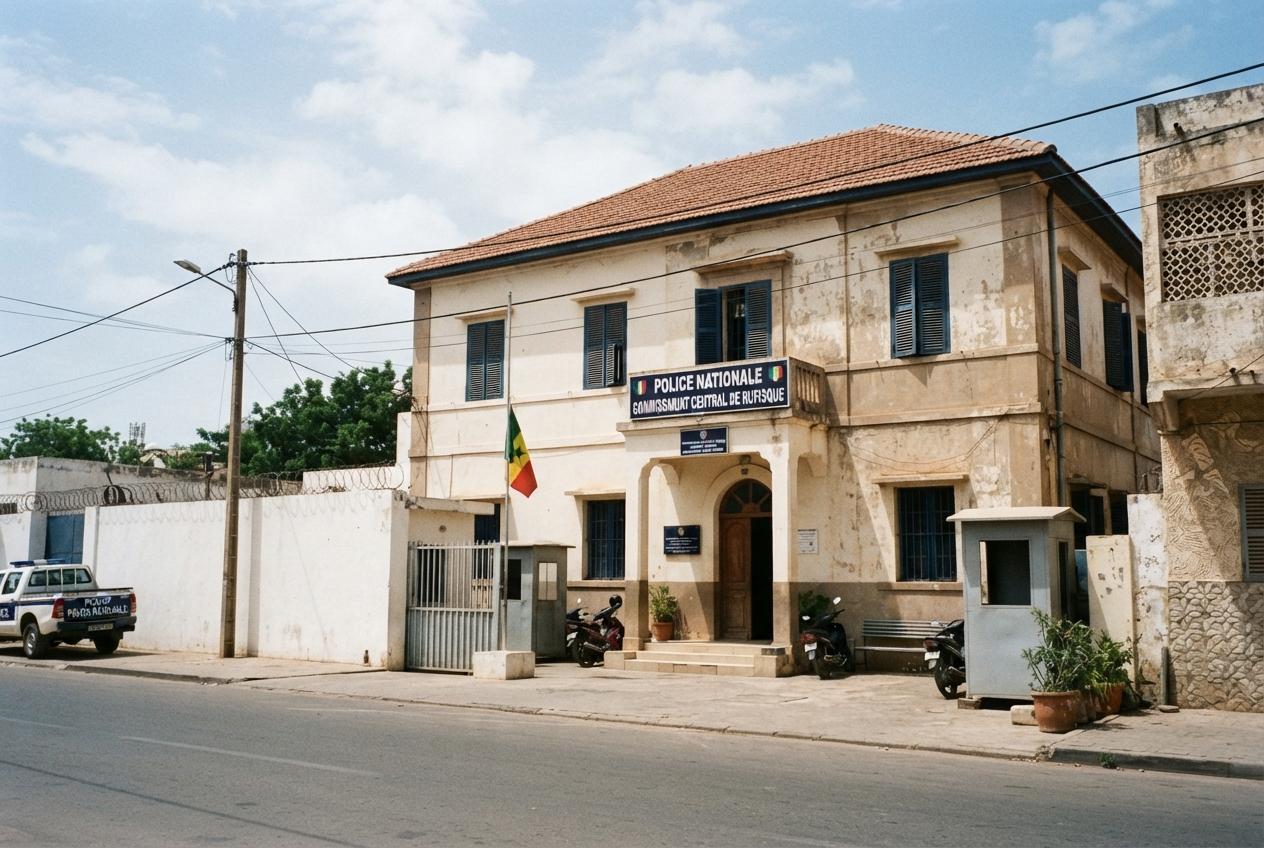
Shoppers for facts are turning to one troubling Senegal story: a Rufisque man who reported extortion and ended up in custody himself. The case touches on criminal law, forced secrecy, and the risks faced by LGBT people in a country where same-sex relations are criminalised , and it matters for victims, lawyers and campaigners.
Essential Takeaways
- What happened: A man in Rufisque reported being kidnapped, robbed and extorted, prompting a police operation that led to five people being taken to court.
- Charges listed: Authorities recorded offences including extortion, theft with violence, unlawful collection of personal data, home invasion and alleged “acts against nature.”
- Medical findings: Police said rectal exams on suspects showed lesions on two individuals; serology was reportedly negative for all.
- Counter-charges: The original complainant was later detained after a video allegedly showed him with a 17‑year‑old and he reportedly admitted his homosexual orientation to police.
- Wider context: Senegal tightened penalties for same‑sex relations, and rights groups say the law fuels arrests, abuse and blackmail.
Why this Rufisque case grabbed attention
The moment the man walked into the Sûreté urbaine to file a complaint, the story already smelled of contradiction , frightened, indignant, then accused in turn. The police account says the victim spoke of being detained at home, assaulted and forced to pay money, then kept receiving calls requesting more cash. That phone trail prompted an arrest operation at the arranged meeting point, and the situation escalated fast.
This isn’t just a one‑off dispute; it exposes how criminal laws and social stigma shape who gets seen as victim or suspect. According to Human Dignity Trust and other observers, Senegal’s legal environment makes LGBT people vulnerable to both vigilante attacks and police scrutiny.
How prosecutors and police framed the evidence
Investigators listed a broad set of offences after interviewing those detained. They’re treating the alleged extortion and violence seriously, while also pursuing allegations framed as “acts against nature” and corruption of a minor. Police say medical exams were ordered and that two detainees showed anal lesions; serological tests were negative.
Medical findings like this are contentious. Human rights groups caution that such exams can be traumatising, unreliable as proof of consensual sex, and used to criminalise sexual orientation. If you’re following cases like this, know that forensic procedures and how results are interpreted often become battlegrounds in court.
The law and the climate: tougher penalties, wider impact
Senegal in 2024 and 2025 moved to toughen penalties for same‑sex relations, a shift covered by Le Temps and Le Monde that campaigners say has already increased arrests and prosecutions. In practice, critics argue the law encourages blackmail, makes it harder for victims to seek help and gives officials licence to pursue sexual‑conduct allegations aggressively.
Reports from Human Rights Watch and others describe rounds of arrests in early 2026 under the reinforced rules. That broader crackdown frames the Rufisque story: criminal statutes don’t just punish acts, they change how people report crime and whom authorities believe.
Blackmail, secrecy and the practical risks for victims
This case highlights a cruel dynamic: people living under criminalisation are easier to threaten with exposure. Victims who fear jail, social ostracism or violence may avoid police or be manipulated into paying to keep quiet. The complainant in Rufisque said he was extorted; the follow‑up detention of the complainant himself shows how quickly roles can be reversed where sexual orientation is a criminal matter.
If you work in legal aid or community support, practical steps matter: document threats, keep digital and call records, seek a trusted lawyer before interacting with police, and consider speaking to NGOs that specialise in confidentiality and safe referrals.
What this means going forward
The five people were sent before the Rufisque court for further investigation. Beyond their personal fates, the case will likely be read as another example of how the criminalisation of homosexuality tangles with ordinary crimes , extortion, theft, assault , in ways that complicate justice.
Advocates say reforming the law would lower incentives to blackmail and reduce the number of vulnerable people who end up detained. At the same time, legal and medical practice around evidence must be scrutinised to protect due process and human dignity.
It's a small change in law or procedure that could make every report of crime safer and fairer.
Source Reference Map
Story idea inspired by: [1]
Sources by paragraph: