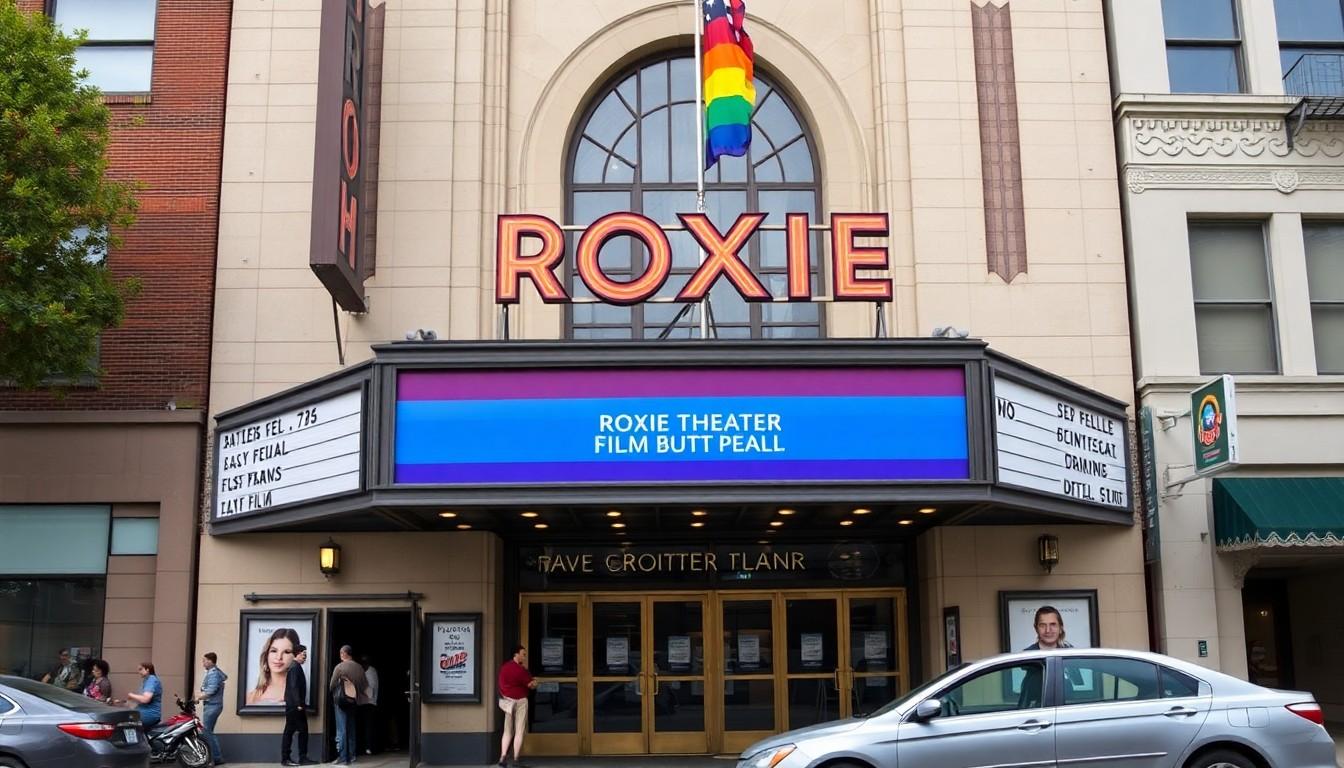
Shoppers are turning out to celebrate queer cinema: the SF Queer Film Fest returns to the Roxie Theatre from August 21–23 with 13 programmes, six features and 49 shorts, giving local audiences fresh work and filmmakers extra screens when mainstream festivals can’t fit them all.
Essential Takeaways
- When and where: SF Queer Film Fest runs August 21–23 at the Roxie Theatre, with 13 programmes across three days.
- Broad slate: The festival screens six features and 49 shorts, including documentaries, animation, web series and music videos.
- Festival need: Organisers say more queer films are being made than ever, so the fest helps absorb titles Frameline can’t programme.
- Standout films: Velvet Vision (James Bidgood documentary) and Surviving Voices (AIDS oral-history installment) are highly recommended; other highlights include Sweet Nothing, Snow Falling on Pumpkins and In This Moment.
- Tone and texture: Expect visually lush cinema, intimate oral histories and emotionally raw short fiction, some films are sensual and raucous, others quiet and haunted.
Why a microfest like this feels essential now
The festival arrives like a bright little island of community cinema: small, packed and tactile, with the Roxie’s lights and velvet seats giving screenings a cosy, lived-in feel. Executive Director Amir Jaffer says SFQFF exists to give queer filmmakers extra outlets when larger festivals simply run out of time, and that urgency comes through in the programme’s variety. If you love discovering underseen work, this is where you’ll find films that feel personal and immediate rather than market-tested.
Programming director Kevin M. Thomas has admitted they had to turn down many strong submissions, which tells you two things: there’s creative energy bubbling at the moment, and this festival is becoming a pressure valve for the wider queer-film ecosystem. If you’re choosing what to see, favour films that speak to subjects you don’t often encounter in bigger line-ups.
Velvet Vision , why James Bidgood’s story still stings
Velvet Vision, the documentary about James Bidgood and his legendary Pink Narcissus, is one of the festival’s centrepieces. The film leans into the sensory: hyper-saturated colours, theatrical staging and a sense of crafted artifice that mirrors Bidgood’s own photographs and sets. It’s a vivid reminder that queer visual culture has long been experimental and joyful in equal measure.
The backstory is as delicious as the images. Bidgood shot Pink Narcissus largely in his tiny apartment, building sets and costumes himself, then watched his creation be misattributed for decades. Director Bart Everly tracks Bidgood’s later life, often difficult, sometimes furious, and while the editing can feel scattershot, the documentary succeeds in presenting an uncompromising artist whose vision shaped later photographers and filmmakers. If you love costume, colour and couture-ish fantasy, this one’s a must-see.
Surviving Voices , caregiving, grief and oral history that matters
The 25-minute Surviving Voices instalment screens as part of the National AIDS Memorial series and focuses on caregivers from the worst years of the epidemic. These are doctors, nurses, friends and partners who carried patients through abandonment and fear; the film has a quiet, haunting quality. Interview subjects like Dr Paul Vollberding return to those wards with visible scars, professionals who still carry the weight of impossible decisions.
This is archival work with present-day urgency: preserving those testimonies helps younger audiences understand the emotional labour and trauma the epidemic left behind. If you’re going to one screening that sparks conversation, pick this: it’s short, sharp and likely to stay with you.
Shorts to watch , small films, big conversations
The festival’s shorts programme delivers micro-dramas that often linger longer than their running time. Sweet Nothing, the opening-night feature by Robby Kendall, takes a comic premise, a community centre director hunting for a drag bingo host, and uses it to unpick internalised homophobia with warmth and awkward humour. Mean Goals offers a compact, aching look at queer masculinity, family and Alzheimer’s, while Cockroach explores survival and dignity in a grimly imaginative way.
Shorts are where programmers get bold: you’ll find formal experiments alongside straight-ahead storytelling. Go in curious, and bring an appetite for tonal shifts. These films are conversation starters, and in a festival this size, you’ll likely be leaving a screening wanting to talk to the person beside you.
What to watch for when booking and seeing films
Plan to prioritise features you won’t catch elsewhere, Velvet Vision and Surviving Voices headline for a reason. Check runtimes closely; with 13 programmes across three days the schedule is dense and you’ll want to avoid overlaps. The Roxie is intimate, so arrive early if you want a good seat and to soak up the pre-show atmosphere.
If you care about context, look for post-screening Q&As or panels, the festival frequently hosts directors, subjects and community partners. These add texture and let you ask the questions that matter: funding, archival rescue, creative choices and how queer filmmakers are navigating distribution today.
What the festival signals for queer cinema’s future
The festival’s popularity and the volume of submissions suggest two hopeful trends: more queer stories are being made, and smaller festivals are stepping up to ensure they’re seen. Organisers are already eyeing extra funding to expand the fest next year, which would be welcome; more screen time equals more voices amplified.
Beyond the immediate pleasures of bold imagery and skillful storytelling, SFQFF feels like cultural triage, saving, restoring and elevating films that might otherwise vanish. That matters not just for nostalgia, but for building a filmmaking future that’s varied, messy and alive.
It's a small festival with a big heart, take a programme, pick a night, and discover something you didn't know you needed.
Source Reference Map
Story idea inspired by: [1]
Sources by paragraph: