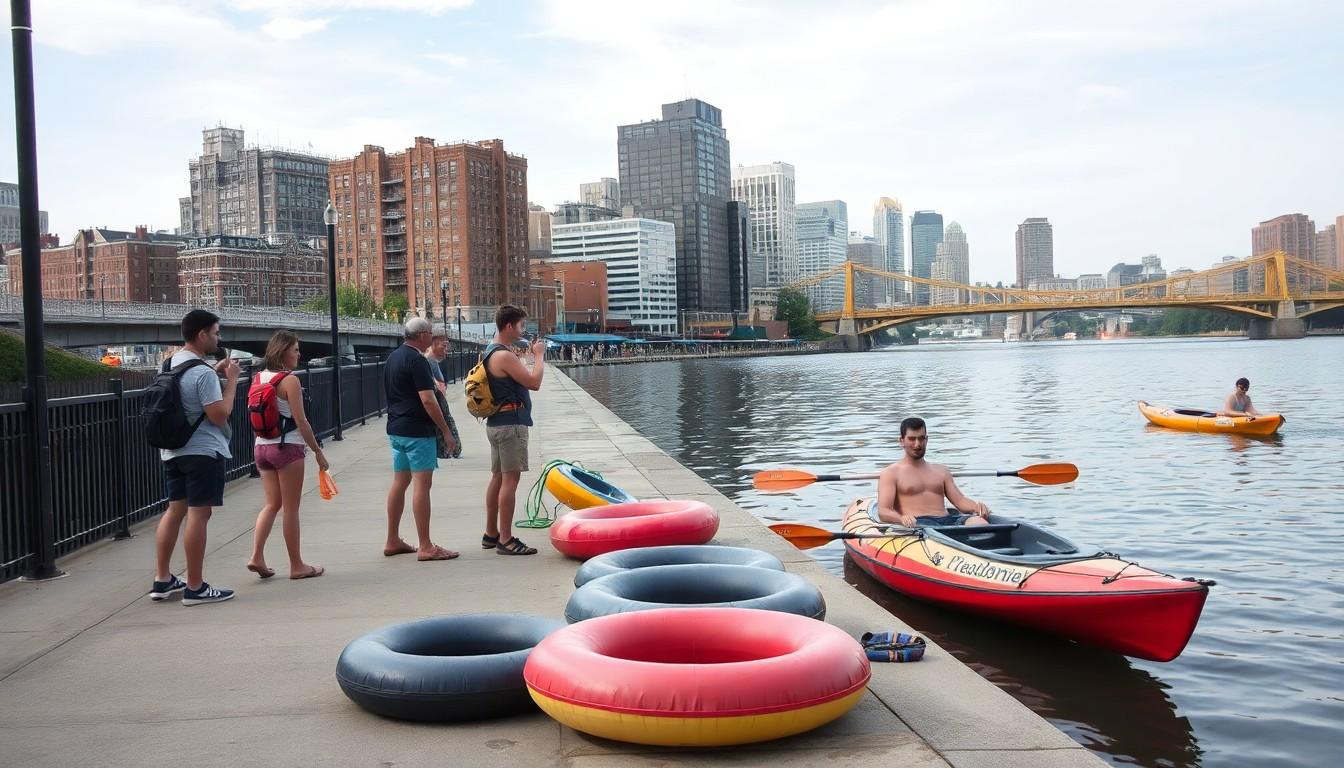
Shoppers and students are heading back to town, and Pittsburgh’s queer summer scene is serving joy, community and things to try before autumn , think river floats, neighbourhood pride parties and low-key solo-friendly meetups that make it easy to belong.
Essential Takeaways
- Big Gay River Float: A growing, easygoing annual tradition on the Youghiogheny, now with a Solo Floater option so you can join without a crew.
- Neighbourhood festivals: Brookline and other neighbourhoods host lively Pride and summer festivals, friendly for families and first-timers.
- Free and low-cost options: Many events are volunteer-run or donation-based, so they’re accessible and welcoming.
- How to go alone: Sign up for solo spots, arrive early, introduce yourself to volunteers , small gestures open big doors.
- Senses of the city: Expect sunshine, inflatables, live music, craft stalls and the relaxed hum of people getting to know each other.
Why a river float feels like queer summer condensed
There’s nothing quite like the quiet clink of coolers, the soft papery scrape of a tube and the sun on your shoulders to make strangers feel like friends. The Big Gay River Float has become that kind of thing in Pittsburgh , a day that’s equal parts silly, restorative and social. According to local organisers, attendance has ticked up year on year as more folks hear about it and bring friends. Practical tip: bring a waterproof sunhat, a secure dry bag and a plan to reconnect if your group drifts apart. If you’re nervous about going solo, the Solo Floater programme does the heavy lifting of introductions so you can focus on floating.
Neighbourhood Pride and smaller festivals give local flavour
Brookline and other neighbourhood events offer a different vibe from downtown Pride , think street stalls, live sets and community tables where everyone seems to know someone. These smaller gatherings are where you find queer-owned cafés, local craft-makers and volunteers who love to chat. Pittsburgh Magazine and community calendars highlight these block-level celebrations as friendlier for families and first-timers. If you want to dip a toe in, pick a daytime event, scout the schedule for a performer or stall you like, and stay for one set or one coffee , you won’t be committing to more than a couple of hours.
How organisers are making things welcoming , especially for newcomers
Volunteer collectives and neighbourhood groups are increasingly intentional about access: welcome volunteers, clear signage, and options that don’t centre alcohol. The Solo Floater idea is the perfect example , it flips the usual “bring a group” barrier on its head. Organisers often post on community websites and event pages with details about transport, meeting points and what to bring, so check those before you go. Pro tip: reach out to a contact listed on the event page if you have questions , most volunteers love helping newcomers feel at home.
Where to find what’s happening now , and how to plan your calendar
Local listings and community sites are your best friends for last-minute plans. Event hubs and radio station listings publish weekly roundups of shows, float days and neighbourhood parties, while community groups keep event pages updated with volunteer needs and accessibility info. If you’re a student just arriving in town, bookmark a few recurring resources so you can spot pop-up gatherings and queer-friendly meetups quickly. And remember: many of the best moments happen off the main schedule , a coffee chat after a show or an invite from someone you met on the river.
Going alone? A mini guide to being brave and comfortable
Going solo isn’t dramatic; it’s practical. Start small: arrive early, find the volunteer tent or information table, and say, “Hi, I’m new here.” Bring an approachable prop , a bright towel, an interesting pin, a sticker-bearing bag , and watch how people start conversations. If you leave after half an hour, that’s fine; if you stay all afternoon, brilliant. The point is showing up. Community spaces in Pittsburgh are built for that exact kind of curiosity, and you’re likely to walk away with a memory or a new contact.
It’s a small change that can make every summer outing feel like the start of something new.
Source Reference Map
Story idea inspired by: [1]
Sources by paragraph: