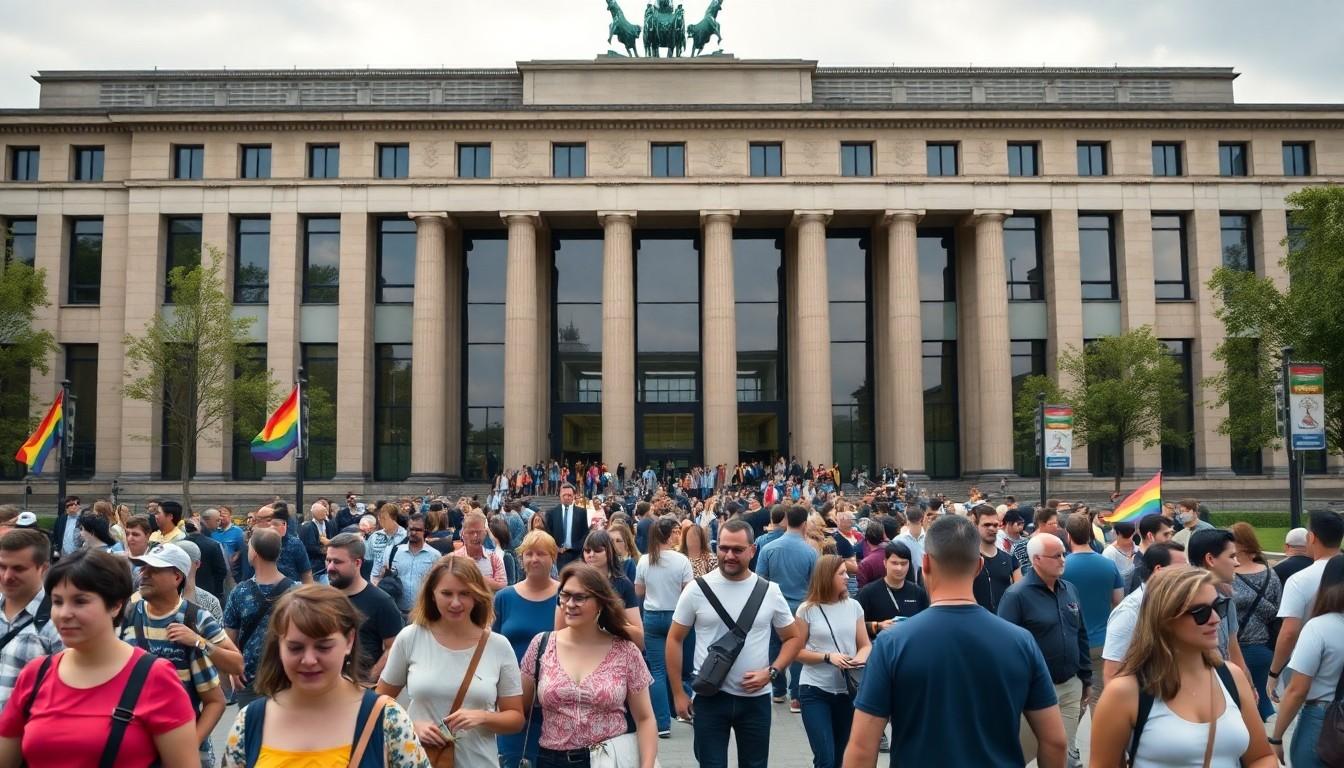
Shaken by a violent Islamist attack at Berlin’s Pride march, Germany’s president has urged stronger protections and public support for LGBT people; his plea matters because it frames safety, dignity and civic responsibility as essential in an open society.
Essential Takeaways
- Strong appeal: President Frank‑Walter Steinmeier publicly called for firm protection of LGBT self‑determination and security after the Berlin Pride attack.
- Attack details: A vehicle and machete assault during Christopher Street Day injured dozens and killed one woman, leaving many frightened.
- Policy checklist: Steinmeier called for law enforcement, public‑space security, civic protection, education campaigns and solidarity.
- Pattern noted: Officials warned that Pride events, especially in smaller towns, have faced rising threats in recent years.
- Emotional impact: The president framed the assault as an attack on “our open society,” underscoring the moral stakes.
Why the president framed it as an attack on everyone
President Steinmeier didn’t mince words: this was not an incident that only affected one community, he argued, but an attempt to wound the whole of open civic life. The language is deliberately broad and moral , it makes the point that when LGBT people are targeted, the fabric of public freedom is at stake. That kind of framing matters because it invites allies beyond the community to respond, not just with sympathy but with concrete protections.
Context matters too: the attack happened in the middle of a Christopher Street Day march in Berlin, a colourful public celebration that many see as a litmus test for how inclusive a society really is. Officials and campaigners say such violence leaves a lasting emotional trace; people who used to march with pride now feel wary and vulnerable.
What Steinmeier wants , a practical list
The president set out a practical, if ambitious, to‑do list: rigorous enforcement of the law, better security in public spaces, safeguarding civil society groups, and education to counter hatred. He also urged visible solidarity , the kind of public backing that reassures people it’s OK to be themselves, openly and without fear.
That mix of policing and prevention is familiar from other security debates. The key question is balance: how to ensure visible events feel safe without turning parades into militarised spectacles. For organisers, that means careful planning , right‑sized stewarding, clear evacuation routes, and discreet but effective police presence.
This attack fits an unsettling pattern
Officials and commentators have pointed out a worrying trend: Pride events in Germany, and particularly in smaller towns, have seen threats and attacks more often in recent years. That shift makes the Berlin atrocity feel less isolated and more like a symptom of a broader rise in hostile, targeted violence.
Media outlets and regional politicians across Germany responded quickly, reflecting national concern. The conversation now ranges from emergency security measures to longer‑term cultural work in schools and communities , because arrests and prosecutions alone won’t erase the fear people feel.
How communities and organisers can respond now
If you’re involved in Pride planning or community safety, there are practical steps to take immediately: run risk assessments, coordinate with local police, brief volunteers on spotting and de‑escalating threats, and set up accessible medical and counselling support for attendees. Visibility remains vital, so consider layered security that protects people while preserving the celebratory atmosphere.
Meanwhile, allies can help by showing up, speaking out and supporting local LGBT groups with time or donations. Public solidarity sends a message that Pride isn’t negotiable , it’s a public rite of inclusion.
Looking ahead: what this moment could change
Steinmeier’s intervention is both a moral reminder and a nudge towards policy. If followed by sustained funding for prevention and education, plus consistent protective measures at events, it could reduce fear and help restore confidence in public celebrations of identity. But lasting change will need more than statements; it will require ongoing civic effort and political will.
It’s a small but crucial test of whether open societies will protect the right to be oneself , proudly and safely.
It's a reminder that public safety and public pride go hand in hand.
Source Reference Map
Story idea inspired by: [1]
Sources by paragraph: