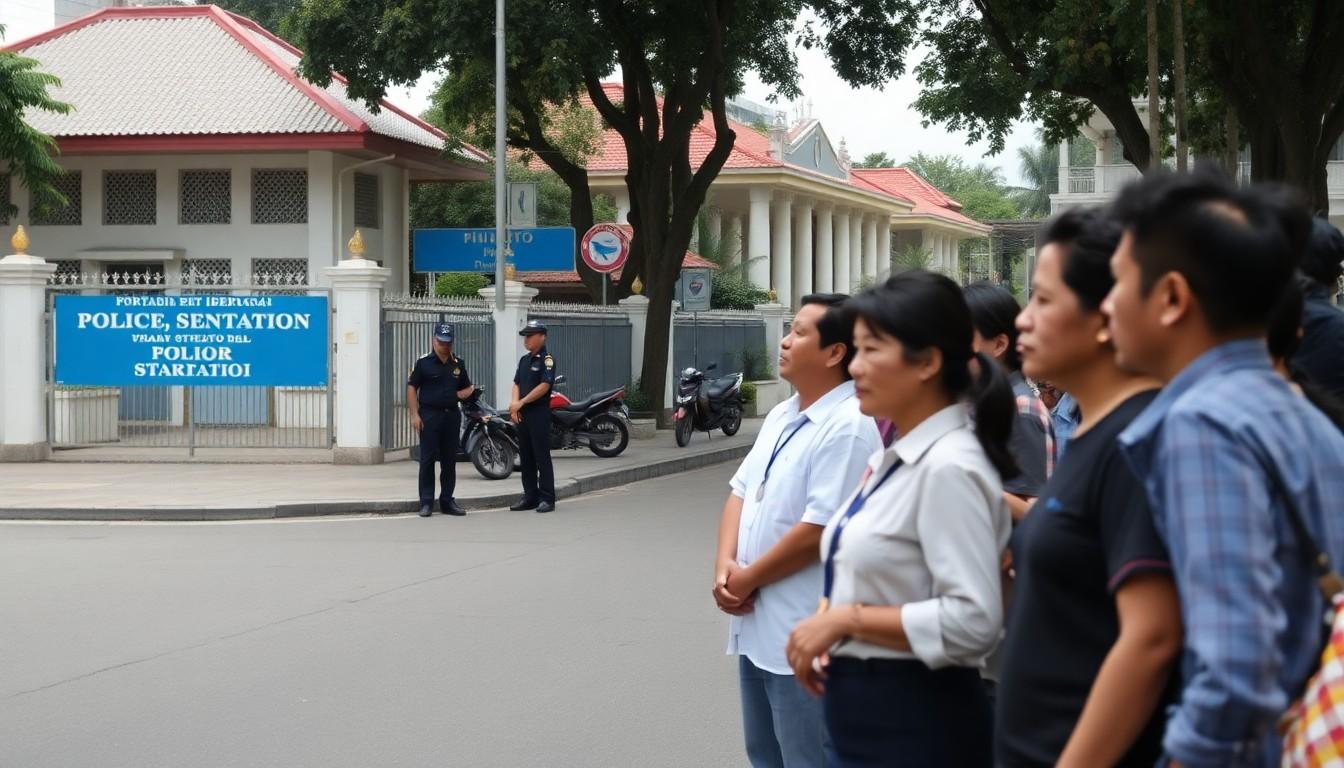
Shocked residents and activists are watching a string of violent attacks on trans women in Bogor, Indonesia, after videos of mobs chasing, dousing and assaulting women on the street spread online; the incidents have revived debate about a 2025 presidential regulation that critics say has normalised hostility.
Essential takeaways
- Multiple incidents: Activists report about 10 attacks in Bogor between March and mid‑July, affecting roughly 45 victim‑survivors and including physical assault, stripping, and thrown objects.
- Mobs filmed it: Groups of 10–20 men have been seen filming and sharing the attacks on social media, amplifying trauma and fear.
- Policy context: Critics link the violence to Presidential Regulation No.111/2025, which lists "LGBTQ culture" as a non‑military threat and, they say, has fuelled public hostility.
- Law and response: Officials deny the regulation sanctions violence and say perpetrators should be prosecuted, but activists report weak police follow‑up and no public arrests in the Bogor cases.
- Historic presence: Scholars note transgender people have long been part of Indonesian society, yet many working‑class trans women remain exposed and economically vulnerable.
A wave of attacks captured on phone cameras , raw and terrifying
Video clips of men chasing a trans woman down a street in Bogor, throwing liquids and swinging a stick, have made the incidents hard to ignore; the footage carries a quiet, ugly dread. According to local groups, that July clip is one among a cluster of attacks between late March and July that left people bruised, traumatised and, in some cases, stripped and humiliated. Amnesty International and community organisations have said perpetrators often record their violence and post it online, turning abuse into spectacle and further intimidating survivors.
Activists say policy rhetoric helped create a permissive atmosphere
Campaigners and legal scholars point to a longer political arc , the moral‑panic style rhetoric that intensified after 2016 and the 2025 presidential regulation , as a backdrop to the Bogor incidents. They argue that when national policy singles out "LGBTQ culture" as a threat, it changes social cues about what behaviour is acceptable. Human rights advocates say that even if the government insists the regulation is not a licence for violence, its language has social consequences and can normalise harassment.
Police, prosecutors and the problem of follow‑through
Officials have publicly said violence should be punished, but activists report little concrete action in Bogor: no widely reported arrests, and survivors who tried to file complaints sometimes found police responses half‑hearted. That gap between words and enforcement matters: legal scholars warn that labelling a group as a risk, the mobilisation of vigilante actors, and weak law enforcement together create fertile ground for escalation. For survivors, that means the risk of further attacks and an understandable reluctance to engage with authorities.
Who is most exposed , and why livelihoods matter
Many of the people targeted are working‑class trans women who make a living in public spaces , on streets, at markets or in night‑time economies , and that visibility makes them vulnerable. Activists describe a daily calculus of fear: what if you go out and someone spits on you, or worse. Practical protection is tricky; until systemic changes arrive, community groups recommend safer routes to work, buddy systems, and quick reporting lines, but those are stopgaps against a broader climate of hostility.
History, culture and the uncomfortable present
Scholars remind us that gender‑diverse people have been part of Indonesian life for centuries, visible in markets, the arts and public culture. Yet social acceptance has never been uniform: while some public figures achieved fame and visibility, street‑based trans women have often faced stigma. The recent attacks underscore how political shifts can reshape everyday safety, turning long‑standing social diversity into a flashpoint for violence. Observers say the challenge for Indonesia now is to reconcile official policy, public rhetoric and basic protections for citizens.
It's a small change in language or a single enforcement decision that could make every street feel safer.
Source Reference Map
Story idea inspired by: [1]
Sources by paragraph: