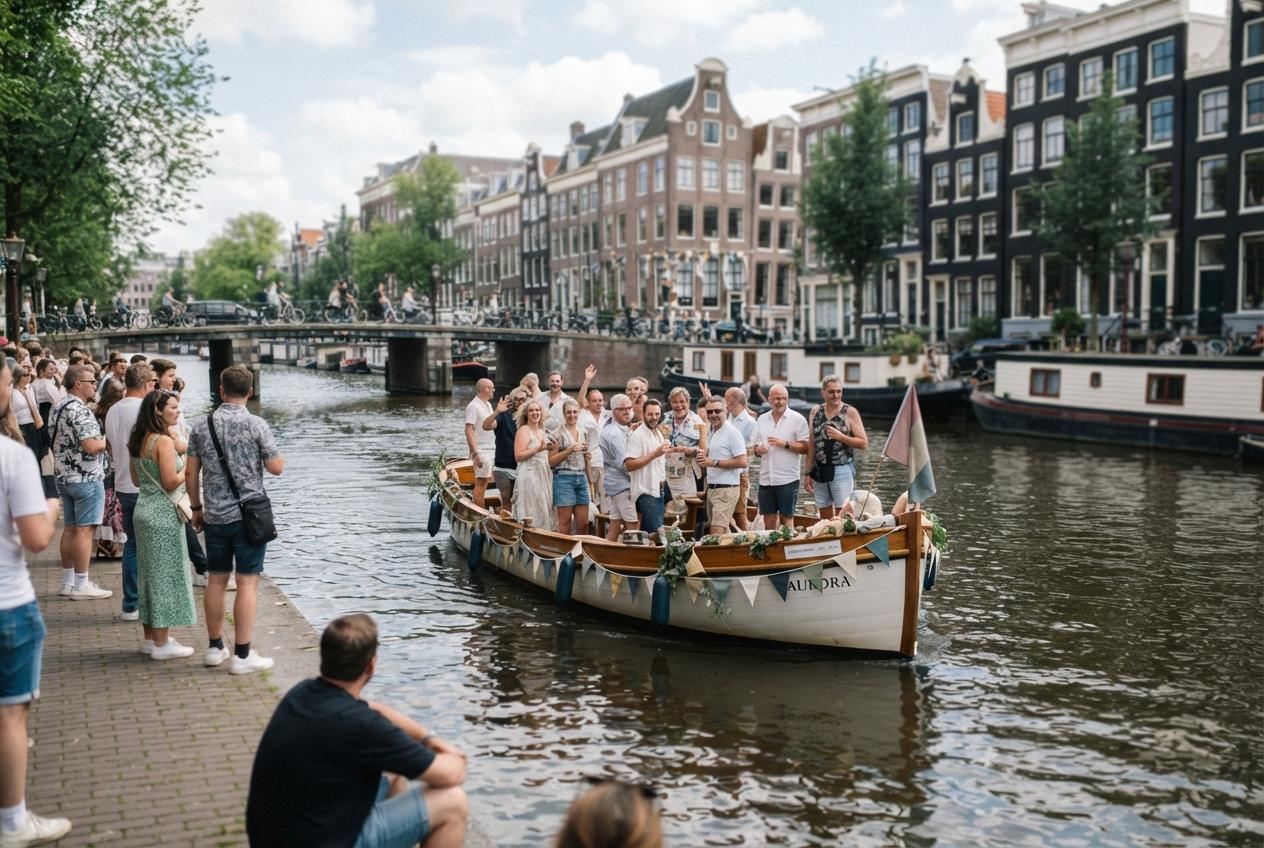
Celebrate, reflect and stay safe , WorldPride Amsterdam pulls together the world’s LGBTQ+ communities on boats, at conferences and in the streets, offering a rare mix of party and politics that matters for queer people everywhere. Here’s what to expect, why Amsterdam’s canal parade is special, and how visitors can get the most from this global Pride.
Essential Takeaways
- Canal parade unique: Amsterdam is the only city that stages a Pride parade by boat along the Prinsengracht, making for a visually striking, waterborne celebration.
- Global gathering: WorldPride brings people from dozens of countries together, from first-time attendees to Stonewall veterans, creating cross-cultural connections.
- History and rights focus: The event blends celebration with activism, marking anniversaries like 25 years of marriage equality in the Netherlands.
- Safety realities: Recent attacks in Europe have shadowed festivities, so organisers and visitors balance joy with practical safety measures.
- Practical support: Local institutions, travel partners and sponsors remain visibly involved, helping visitors navigate events and programmes.
Why Amsterdam’s WorldPride feels different , boats, history and openness
The Canal Parade gives Pride a theatrical, sensory kick: music, colour and cheering crowds reflected in the water, and floats gliding past temporary bleachers. Amsterdam’s approach feels casual and mixed-in , people often watch with a beer in hand rather than being cordoned off behind barricades. That relaxed street culture helps explain why the city’s Pride started later than in some protest-rooted capitals, even as the Netherlands led the way on legal rights. If you want to feel both part of a festival and a living history lesson, the canals are where that tension plays out best.
What’s on: parades, human-rights conferences and cultural moments
WorldPride isn’t just a parade; it’s a whole week of programming, including human-rights conferences and high-profile performances. The event often aligns with national milestones, such as the Netherlands’ anniversaries around marriage equality, and draws politicians and activists alike. Expect panels, museum projects and satellite events that put current struggles , from legislative rollbacks abroad to efforts to preserve queer history , front and centre. Plan your schedule early: the conference programmes and major concerts fill up fast.
Who comes and why it matters , global connections and personal stories
You’ll see people who’ve travelled from places where Pride is banned or dangerous, alongside locals and long-time activists. That mix is what gives WorldPride its emotional charge: for some it’s a once-in-a-lifetime chance to march openly, for others it’s a reunion. Many visitors say the experience is cathartic and political at once. If you’re coming from abroad, consider joining a themed float or national contingent , it’s a simple way to meet people and make the trip feel like more than sightseeing.
Safety, sponsorship and the shadow of recent attacks
Pride organisers have had to adapt since violent incidents in other cities. You’ll notice increased security measures and visible stewarding along parade routes and at large events. That can feel sobering, but it also brings practical benefits: clearer crowd management, emergency plans and information points. At the same time, corporate and institutional support remains important; some sponsors step back in certain countries, but in Amsterdam several travel and civic partners continue to support WorldPride programming and outreach, which helps maintain scale and safety.
How to plan: tickets, timing and canal-side practicalities
Show up early for good canal-side spots or book bleacher seating where available; boats pass by repeatedly but the best views fill up fast. If you want to sail rather than watch, look into official floats and registered groups well before Pride week. Pack for weather and crowds , the canal area can be noisy and warm, so bring water, portable phone chargers and a simple safety plan with meeting points. For those travelling from countries with more restrictive Pride cultures, check local guidance on photography and public displays to stay comfortable.
It's a small change that can make every visit safer and more meaningful.
Source Reference Map
Story idea inspired by: [1]
Sources by paragraph: