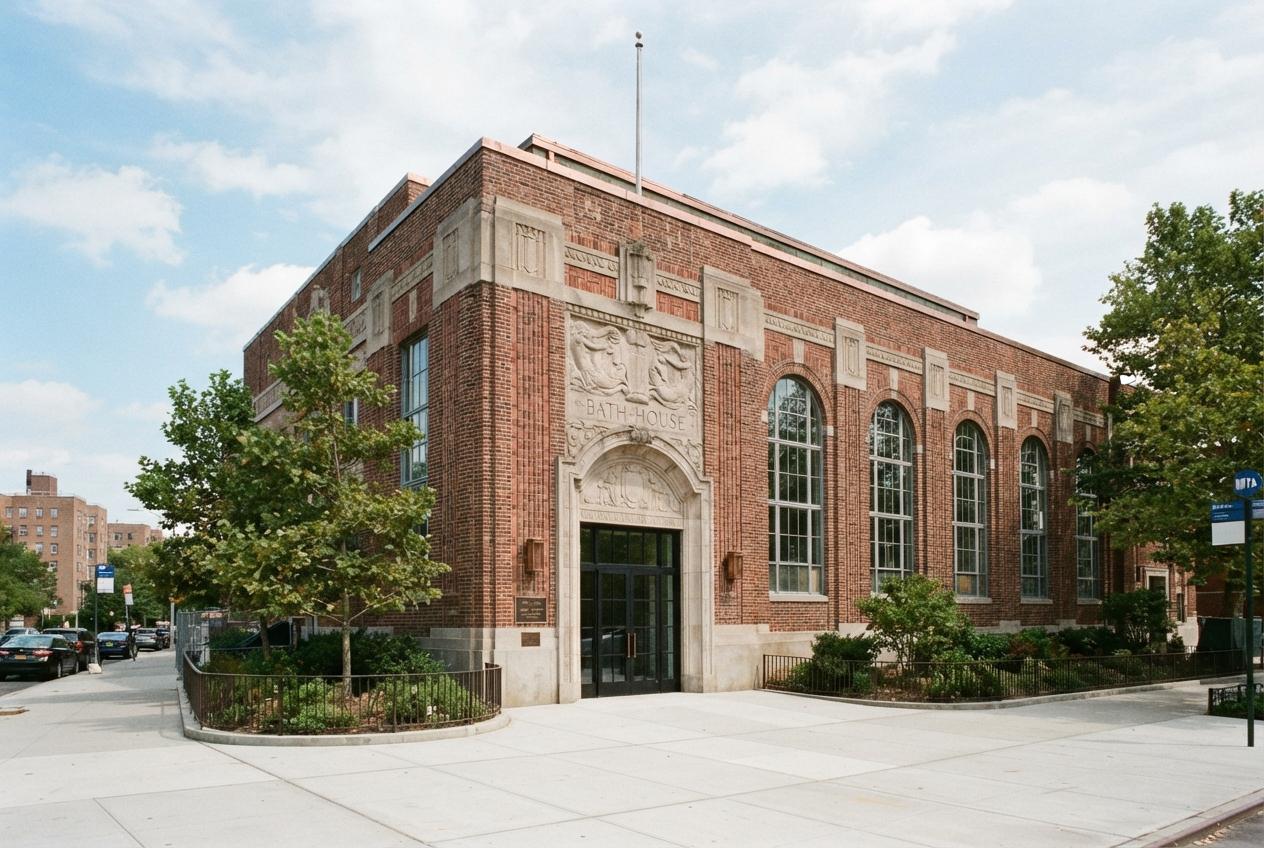
Shoppers and locals are watching as a restored Jacob Riis bathhouse reopens this summer as a membership club, and longtime visitors are pushing back to protect the People’s Beach. Here’s who’s involved, why the spot matters to queer New Yorkers, and how residents are trying to keep the space accountable.
Essential Takeaways
- Historic queer anchor: Jacob Riis has been a cost-free gathering place for LGBTQ+ communities since at least the 1940s, with deep emotional and cultural ties.
- Partial privatisation: A 60-year National Park Service lease means much of the renovated 1930s bathhouse will be run by a private club, while about 60 percent remains public.
- Local organisers mobilising: Grassroots groups and leaders like GLITS are demanding low-income access, transparency, and a seat at decision-making tables.
- Questions around investors: Public records and reporting have raised concerns about the identities and records of financial backers tied to the project.
- Practical options: Community pressure, city control of adjacent land, and civic organising remain the clearest levers to shape the site’s future.
Why Riis still feels like home , and why people noticed the change
Start with the sound: families laughing, radios from coolers, the tide and a low hum of conversation from groups who’ve been coming for decades. For many queer New Yorkers, Riis has been more than sand and surf: it’s a refuge where chosen families gather openly. According to local archives and heritage sites, the beach became a queer-friendly spot mid-century, and that history still shapes how people feel when they arrive.
The restoration and reopening of the bathhouse was sold as a preservation win, but to long-term visitors it also carried a sting. When part of a public amenity becomes membership-based, the social texture of the place changes. That’s why organisers and historians alike are saying Riis’s story can’t be reduced to an architectural rehab , it’s about who gets to use the beach without barriers.
Who’s organising , and what they want
People who built communities there have pushed back quickly. Leaders such as the founder of GLITS have used decades of mutual aid and civic work to demand more than token gestures. They want concrete commitments: low-income membership slots, guaranteed programming for queer and trans people of colour, and jobs tied to the site that actually go to neighbours.
Organisers have also started mapping the wider development picture , including nearby municipal parcels , to propose alternate, community-centred uses like wellness centres and year-round jobs. Those ideas are practical, and they reflect a belief that permanence beats seasonal PR.
The money questions , why investors matter
When a public building is redeveloped with private capital, the identity of those investors matters. Reporting has flagged a developer with a fraught landlord record who has been publicly tied to the project, prompting calls for clarity. The National Park Service lease structure and archived marketing language have left some people sceptical about who’s really calling the shots.
For residents, this isn’t abstract: an investor’s past behaviour can foreshadow how a site is managed, whom it serves, and whether the community’s needs will be prioritised. That’s why organisers are using public-record requests and press scrutiny as tools , transparency can change incentives.
Policing and access , the everyday dynamics on the sand
Lifeguards, families and long-term visitors all share the same beachfront, but enforcement patterns shape who feels welcome. Reports of licence-plate scans, towing and enforcement of group-size rules carry a particular weight for Black queer and trans people who use Riis as a communal space.
Historians point out that rhetoric about making beaches “family-friendly” has long been used to police queer life. That historical context matters because it helps explain why even neutral-sounding rules can feel like erasure. Community organisers argue that any new rules should be co-created with the people who actually use the beach.
What can be done now , practical levers for community influence
There are a few concrete steps that can help protect the beach’s legacy. First, keep pushing for transparency around investors and lease terms through FOIA requests and public meetings. Second, demand set-asides or sliding-scale memberships that actually reserve access for lower-income longtime visitors. Third, press the city to make community-oriented decisions for adjacent parcels so the area isn’t whittled away by one-off private interests.
At the same time, plan public cultural programming that centres queer histories , oral histories, photography exhibits, community-run events , so the place’s story stays visible even as its management changes.
It’s not just nostalgia; it’s about real access and dignity. The people who built this place want to be invited into decisions, not have decisions made for them.
It's a small change that can make every visit to Riis safer and more welcoming.
Source Reference Map
Story idea inspired by: [1]
Sources by paragraph: