Celebrate National Leathercraft Day by spotting style, craft and community , owners, crafters and fetish fans in the UK and beyond are leaning into leather’s tactile thrill, cultural history and do-it-yourself appeal, and here’s why it matters for makers and wearers alike.
Essential Takeaways
- Founded reason: National Leathercraft Day was launched by Tandy Leather to spotlight leather-crafting skills and makers across the US.
- Cultural weight: Leather took on specific queer meaning after WWII, becoming shorthand for a sex-positive, hyper-masculine aesthetic.
- Sensory draw: Fans often cite the look, the scent and the feel of leather , “protective but erotic” , as central to the appeal.
- DIY boom: Leatherworking tutorials, kits and small-batch makers are making the craft more accessible and personal.
- Practical tip: If you’re buying or making leather gear, check fit, finish and care instructions , a snug, well-finished piece lasts and feels better.
Why a craft holiday turned into a queer cultural moment
National Leathercraft Day began as a maker-focused observance from Tandy Leather, aimed at celebrating the skills and creativity of leatherworkers. But culture has a way of repurposing holidays, and leather’s strong visual and tactile identity made it an easy fit for queer communities. People aren’t just admiring craftsmanship; they’re reclaiming a language of power and desire that leather carries. It’s tactile , the weight, the scent, the soft scrape against skin , and that physicality explains a lot of the fandom.
The history that gives leather its edge
According to coverage of leather culture’s rise, the aesthetic really crystallised in the mid-20th century as servicemen returned home and formed intense, often erotic bonds. From there, black leather in particular evolved into a symbol of sex-positive masculinity. Artists, photographers and film icons helped broadcast that look globally, so wearing leather now can feel like stepping into a lineage. For many men, it’s not just costume; it’s identity and performance rolled into one.
What makers and small brands are doing now
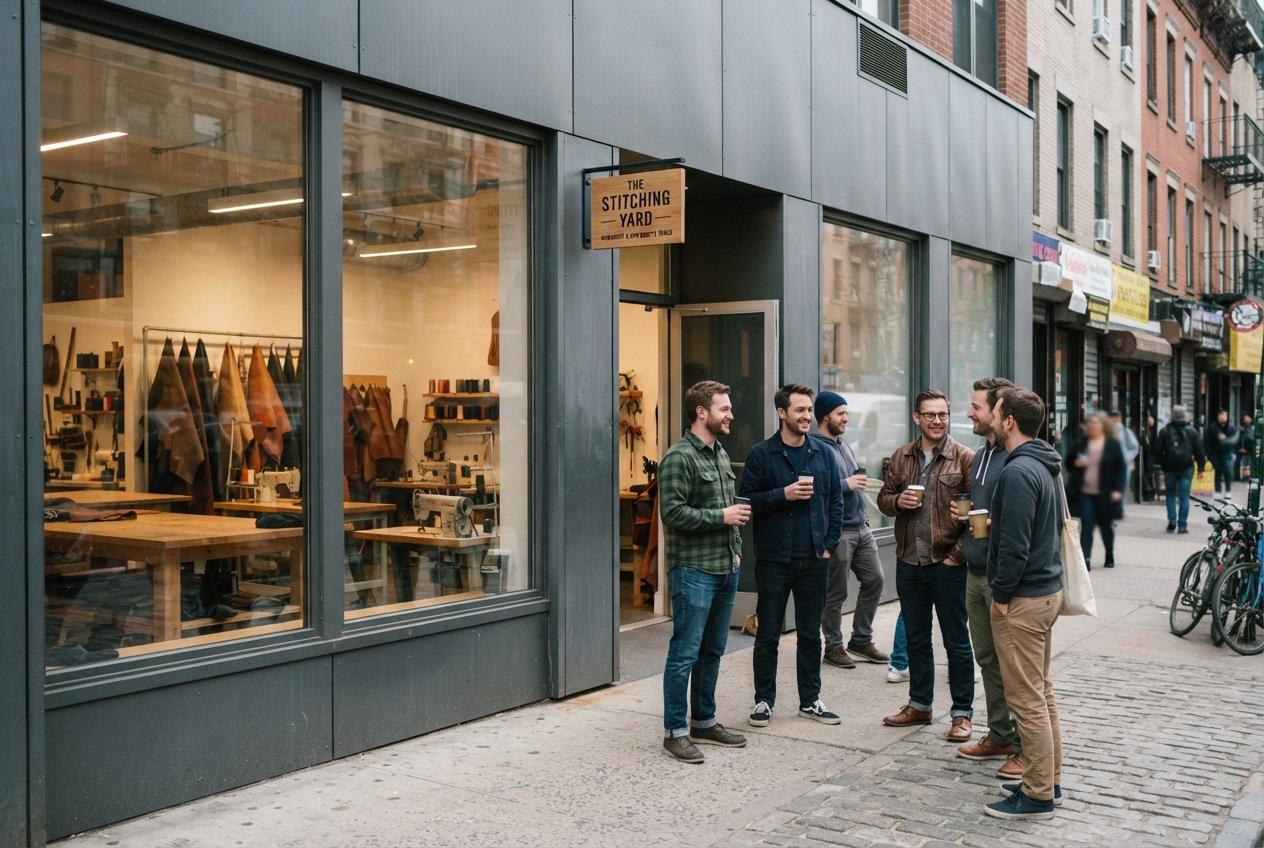
You don’t need to be a master saddler to join the celebration. There’s a growing market for beginner kits, online tutorials and local workshops that let people try leathercraft without a huge outlay. Makers emphasise simple, durable projects , belts, wallets, cuffs , and those items double as handmade fashion and entry points to fetish and club communities. If you’re buying, look for clean stitching, quality hardware and hides that are appropriate for the item’s use.
Why leather still reads as masculine, sexy and protective
Fans on social platforms often describe leather as “armour” that also reveals , a paradox that’s clearly part of the draw. The material signals strength and a deliberate aesthetic choice: it’s heavy, tactile and wears in with the person who owns it. That slow ageing is part of the romance for many wearers; the more it’s used, the more character it gains. If you’re new to the scene, tiptoe in with well-fitted basics and test how the texture and scent sit with your daily life.
Care, size and safety: practical pointers before you buy or make
Leather needs a little attention to stay looking and feeling its best. Keep pieces away from prolonged moisture, condition with a suitable leather balm, and be mindful of lining and hardware that can irritate skin during extended wear. When it comes to fit, try on where possible , leather doesn’t stretch back like fabric once it’s formed. And if you’re making your own, practise on scrap hides before committing to expensive leather.
It's a tactile tradition that keeps evolving , try a workshop, support a local maker, or just enjoy the look and history the next time you spot a well-worn jacket.
Source Reference Map
Story idea inspired by: [1]
Sources by paragraph: