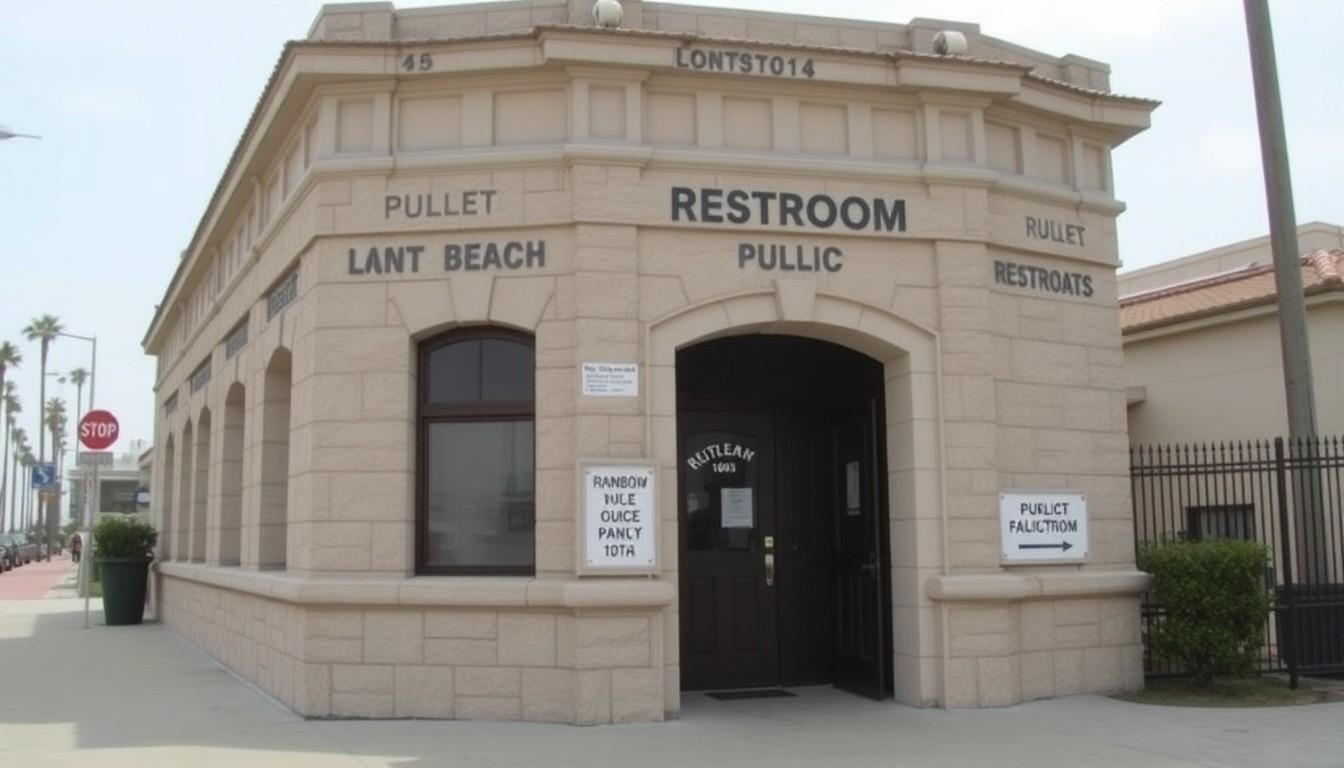
Spotting a pattern: public bathrooms in Long Beach once turned from civic pride into a policing front, and the fallout still echoes for queer communities and public policy today. This piece traces the 1914 stings, later decades of targeted enforcement, and why public lavatories matter to civil rights, safety and urban design.
Essential takeaways
- Historic sting: Undercover vice officers entrapped at least 31 men in Long Beach in 1914, turning newly installed public toilets into scenes of mass arrests.
- Tactics and theatre: Officers used costume, conversation and a crude marking method to identify suspects, producing swift fines and social ruin.
- Personal cost: Arrests led to job loss, evictions and even suicide, showing the human toll of policing moral behaviour.
- Movement response: Later gay-rights organisers both resisted police entrapment and sometimes urged restrictions on late-night bathroom access to protect communities.
- Wider pattern: Similar restroom stings resurfaced in other Southern California cities across the century, reflecting persistent policing strategies and bias.
A bright new convenience that suddenly felt unsafe
Public bathrooms were originally civic showpieces, gleaming with “bright white sinks” and promised to make Long Beach feel settled and respectable. But that image changed fast when a 1914 undercover operation exposed a hidden panic about men meeting in loos. The contrast was stark , where pride once lived, suspicion and shame followed. According to reporting at the time, the sting made the bathrooms feel like trapdoors rather than public amenities, and people noticed the difference in the city’s atmosphere.
How the vice patrol staged their entrapments
The operation involved two hired vice officers who looked the part of charming strangers , pastel shirts, lapel flowers and a practiced gait. They sought out men who appeared effeminate or who “walked with a swish,” struck up talk, and tried to lure them into stalls. If a suspect reacted in a way the officers judged explicit, they marked and arrested him. The tactics read like theatre with a badge: costume, script, and a cheap marking trick that turned private behaviour into criminal evidence almost instantly.
The social and economic fallout was brutal
Fines in that era quickly became life-changing penalties. One day’s arrests brought thousands in collective fines and far more in reputational damage. Men lost jobs, apartments and memberships; families fractured. Contemporary accounts include a suicide after a man’s name appeared in print. Those consequences make clear that these weren’t minor public-order citations , they were events that could destroy livelihoods and communities overnight.
Activists fought back, but sometimes with surprising tactics
When the gay-rights movement gained momentum in the late 1960s, activists challenged police tactics and pushed for broader civil rights. At the same time some community groups sought a pragmatic, if controversial, solution: closing public bathrooms at night or organising community members to discourage sexual encounters in those spaces. That dual response , demanding equality while policing the neighbourhood’s public life , shows how movements sometimes make difficult compromises to protect people from criminalisation.
Restroom policing didn’t stay in one city
Long Beach’s story is part of a pattern across California. Later decades saw similar stings in places like Manhattan Beach and other coastal cities, and legal challenges argued police deliberately targeted gay men. Coverage and court rulings through the 20th and 21st centuries have flagged these operations as discriminatory or improper, and public scrutiny pushed law enforcement to shift tactics away from bathrooms to bars and other venues.
Why old stories about loo policing still matter today
Beyond the sensational headlines, these episodes speak to how public space, design and law enforcement shape who feels safe in a city. Bathrooms can be sites of dignity or danger, depending on policy and policing. Modern debates about access for trans people, homelessness and urban planning all have roots in earlier fights over who is allowed to occupy shared facilities. Understanding that history helps communities craft better, less punitive solutions.
It's a small change that can make every toilet , and town , feel a little safer.
Source Reference Map
Story idea inspired by: [1]
Sources by paragraph: