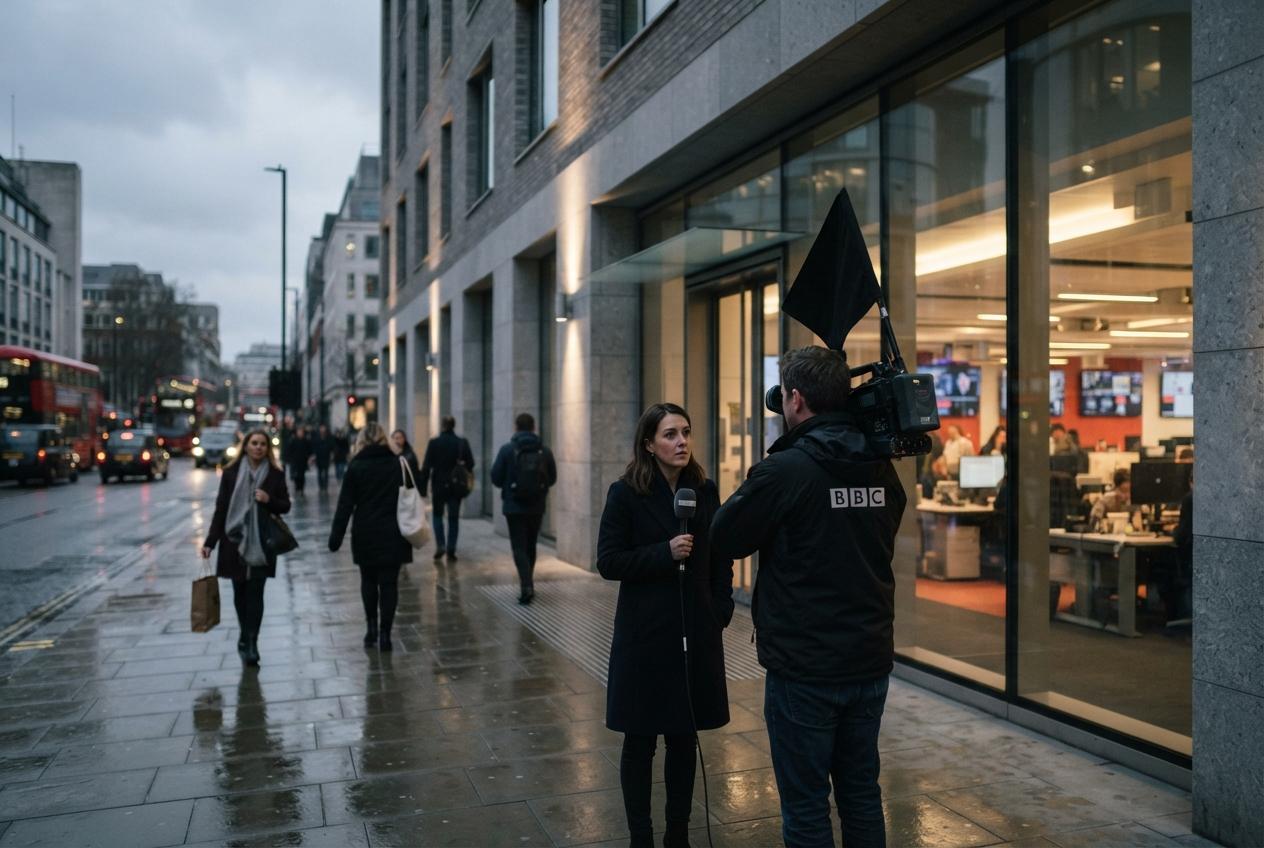
Shoppers and festival-goers have noticed a quieter Pride season; Darren Milby’s new BBC Radio 4 feature, Pride Before the Fall, looks at why community celebrations are shrinking, who’s pulling support and what it means for LGBTQ+ allyship across the UK. Tune in to catch a thoughtful, on-the-ground take.
Essential Takeaways
- Broadcast details: Pride Before the Fall airs on BBC Radio 4 and will be available on BBC Sounds as a podcast.
- What sparked the piece: The collapse of Manchester Pride and similar funding troubles prompted the investigation.
- Scene change: Organisers and attendees describe smaller, grassroots Prides replacing big corporate-led events; atmosphere feels more intimate and earnest.
- Contested backdrop: Debate over trans rights and recent legal guidance have complicated public and corporate support for Pride.
- Practical note: If you want to support local Pride, look for community-led events and volunteer opportunities that need time more than money.
Why this radio feature matters now
Darren Milby’s documentary lands at a fraught moment for Pride, and you can almost feel it in the audio , smaller crowds, the hum of grassroots organisers, and honest conversations about funding. According to the BBC listing, the programme maps how Pride in 2026 isn’t the same spectacle it was a few years ago. That immediacy makes it worth grabbing a listen if you care about how LGBTQ+ visibility is being sustained.
The story didn’t come from nowhere. Manchester Pride’s financial collapse , reported across regional and national outlets , has been a loud alarm bell about governance, artist payments and how big events are run. Milby uses that shock as a starting point, then follows the trail to other towns where councils and firms are rethinking their involvement.
From corporate floats to canal-street grassroots
Across the feature, reporters and participants describe a shift from shiny, sponsor-heavy parades to smaller, community-rooted gatherings. For local bars and volunteers, the change feels both a loss and an opportunity , less spectacle, yes, but a sturdier sense of ownership and care among people who actually live there.
That pattern echoes what Manchester’s experience showed: when a large organiser fails, the community often stitches something together, sometimes in the bars and venues that have always been the backbone of queer life. If you prefer the grassroots vibe, this is good news; if you miss the big festival energy, it’s a bummer.
How debates about trans rights have changed the backdrop
The programme asks the tricky question lots of people are asking: is the public debate around trans rights making would-be allies step back? Milby digs into how legal rulings and guidance have landed in public discourse and influenced corporate and council decisions, and why that matters for Pride funding.
Recent rulings and statutory guidance around single-sex spaces have sharpened tensions, prompting questions about who feels included and who feels left out. That legal and cultural whirlwind has a very practical knock-on: businesses sometimes retreat from visible sponsorship, and councils prioritise basic services over events when budgets are tight.
What organisers and attendees say on the ground
Milby’s piece gives time to people actually running and attending Prides , volunteers, small-town first-timers and venue owners , so you hear the emotional texture as well as the facts. Some describe pride as quieter but more meaningful; others worry about visibility if corporate banners disappear for good.
If you’re thinking of getting involved, the practical takeaway is simple: community Prides often need hands, not cash. Volunteering, donating to local LGBTQ+ charities, or simply turning up makes a difference to whether a grass-roots event can keep going.
How to support Pride in a changing landscape
You don’t have to choose between big and small to be useful. Where councils have cut funding and firms have stepped back, local initiatives step in. Look for fundraising pages, community meet-ups and local venue listings. Supporting artists directly , especially performers affected by festival cancellations or insolvency issues , helps keep the scene alive.
And if you want the bigger sweep, listening to programmes like Pride Before the Fall gives you the context to understand why these shifts are happening and what might come next.
It's a small change that can make every Pride a little safer and more resilient.
Source Reference Map
Story idea inspired by: [1]
Sources by paragraph: