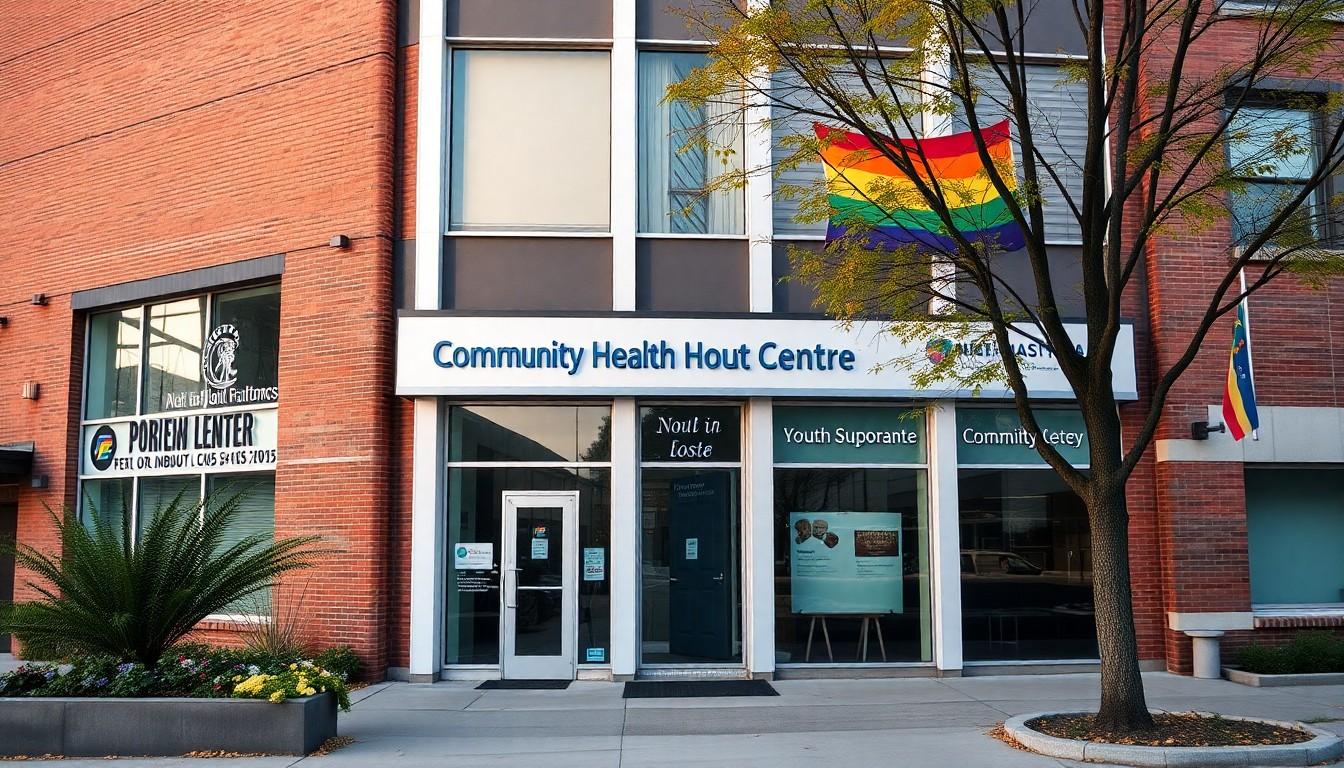
Notice growing demand: researchers found LGBTQ+ young people are more likely to use mental-health services , especially outpatient and emergency care , and the gap widens as they move into early adulthood, highlighting unmet needs and the importance of earlier, tailored support.
Essential Takeaways
- Higher outpatient use: Young people with diverse sexual orientations or gender identities had a 41% greater chance of using mental-health outpatient services.
- Emergency visits nearly double: From 18–23, almost 15% of LGBTQ+ youth used emergency mental-health care versus 7.6% of cishet peers.
- Inpatient rates unclear: Hospital admissions were slightly higher but not statistically significant after adjustments.
- Drivers include minority stress: Discrimination, bullying and lack of social support are likely contributors; unmet needs may push crises to emergency services.
- Prevention matters: Earlier, accessible community care and social support could reduce crisis-driven visits.
Why emergency care is becoming a common route for LGBTQ+ young people
The sharpest and most worrying finding is the spike in emergency-department use among LGBTQ+ young people in late teens and early twenties, a period that feels raw and urgent. According to a long-term cohort from Quebec tracked to age 23, visits for anxiety and situational crises were common reasons for emergency attendance. Researchers say this pattern may signal problems that weren’t addressed earlier , points where outpatient care failed or was inaccessible , so distress escalated until urgent help was needed. That interpretation fits with other research showing LGBTQ+ youth face unique stressors and barriers to routine care, which can make crises more likely.
Developmental timing: why the gap grows with age
There wasn’t a big difference in childhood use of outpatient services, but divergence appeared later and grew through adolescence into early adulthood. This suggests the burden of minority stress accumulates over time, or that needs are more likely to be recognised and reported as young people mature. Policy-wise, it underlines why early, sustained support is crucial. Offering affirming mental-health services before problems intensify might prevent the expensive, traumatic route of emergency treatment in later teens and twenties.
What might explain unequal usage , and what other studies show
The study is observational, so it doesn't prove sexual orientation or gender identity cause poorer mental health. Still, the likely explanations are familiar: discrimination, bullying, family rejection and chronic minority stress. Social support and affirming care appear protective in other research, including surveys from advocacy groups and public-health agencies. Public-health data from the CDC and reports by The Trevor Project have documented similar disparities in distress and access, reinforcing the idea that unequal treatment and barriers to care help explain higher emergency use.
Practical advice: how families and services can help before it reaches crisis
Parents, schools and clinicians can all act earlier. Simple steps include creating visible, safe routes to care (clear referral pathways, LGBTQ+–friendly clinicians), routine screening for mental-health needs in adolescence, and bolstering social supports at home and school. If you’re looking for care, ask whether a service is explicitly affirming, what staff training on LGBTQ+ issues they have, and whether they offer non-judgemental crisis plans. Community organisations and peer-support groups often provide quick, practical help while you wait for professional appointments.
What this means for policy and the service landscape
Health systems should read these findings as a call to expand and tailor early outpatient support, not just beef up emergency provision. Making routine mental-health care accessible, affordable and culturally competent for LGBTQ+ young people could reduce avoidable crises and emergency use. Forward-looking approaches include integrated youth mental-health hubs, school-based counselling, and better training for front-line clinicians so problems are caught and supported earlier rather than left to escalate.
It's a small change in approach that could make every crisis less likely and every pathway to care kinder and more effective.
Source Reference Map
Story idea inspired by: [1]
Sources by paragraph: