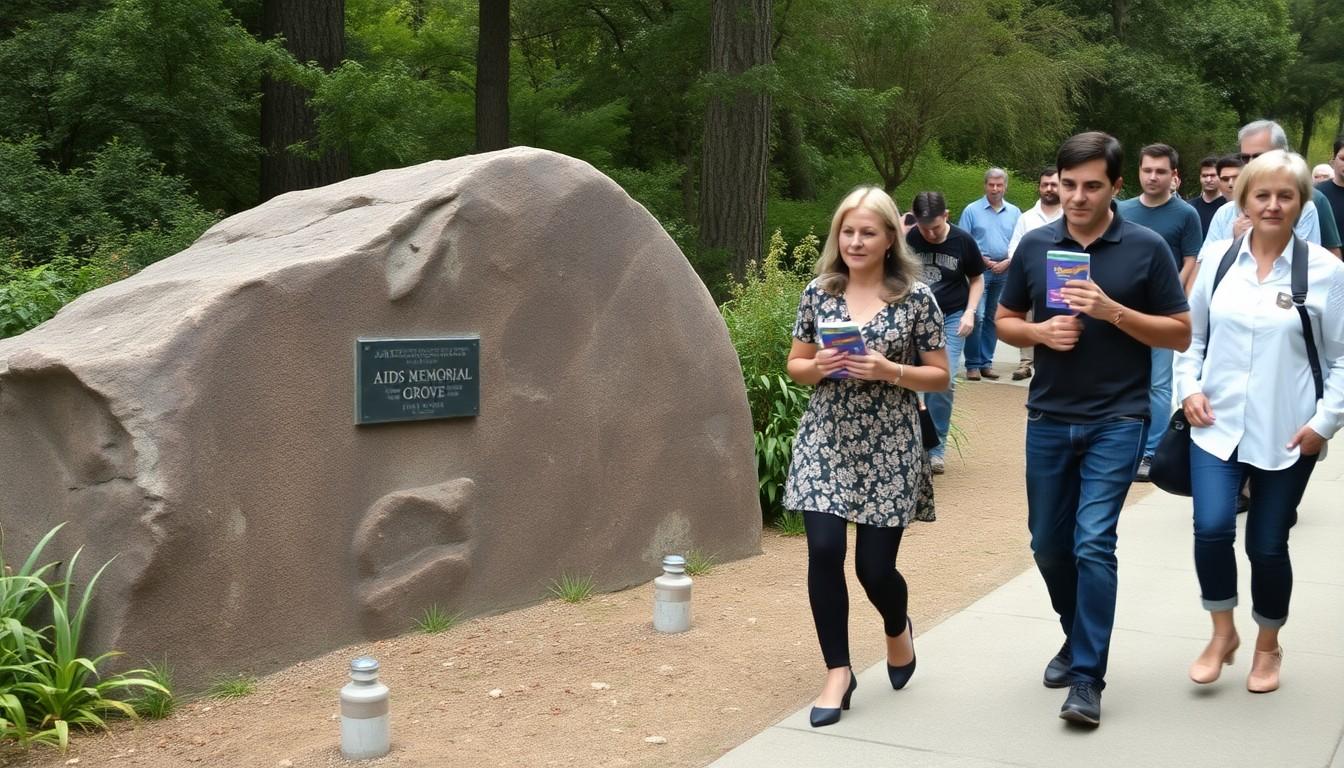
Shoppers, voters and volunteers alike are showing up: grassroots organising has helped defeat anti-LGBTQ+ measures and restored vital local services, proving that community action still changes lives, and that memorialising that care matters as much as the victories themselves.
Essential Takeaways
- Big voting wins: Voters in Georgia rejected all 15 anti-LGBTQ+ ballot measures, a rare statewide rebuke of widespread attacks.
- Florida pushback: Four of five similar measures were defeated in Florida, signalling momentum beyond expected battlegrounds.
- Local safety-net restored: San Francisco funding threatened in recent budget fights has largely been reclaimed, protecting social services used by vulnerable residents.
- Remembering the caregivers: New memorial plans at the AIDS Memorial Grove will honour the leather community and caregivers who saved lives during the AIDS crisis.
- Community matters: From ballot boxes to memorial stones, civic engagement and compassion keep movements alive, and visible.
Grassroots wins in unlikely places: what happened in Georgia and why it matters
Georgia’s voters just handed activists an impressive moral and political victory by rejecting a slate of anti-LGBTQ+ measures aimed at banning care, censoring books, and restricting trans students. Reporters on the ground noted organised campaigns, phone banking, local testimony and turnout drives, that flipped what looked like certain losses into clear defeats. This wasn’t a single-issue rebound; it was a lesson in coalition politics. If you want to help replicate that success, start locally: join or back groups that build relationships in communities beyond your usual circles, and be ready to turn those connections into votes.
Florida’s partial rebound shows the fight isn’t hopeless
The Sunshine State, home to high-profile conservative leaders, saw four out of five anti-LGBTQ+ measures defeated. That speaks to the idea that messaging and mobilisation can blunt even well-funded campaigns. Campaigners in Florida leaned into targeted outreach and storytelling, reminding voters of real people behind dry legislative language. Practically, this means grassroots groups should keep investing in door-knocking, culturally fluent outreach and digital follow-ups; those tactics move numbers even when polling looks bleak.
Restoring San Francisco’s safety net: a local turn to protect services
On the home front, San Francisco activists and nonprofits mounted a sustained push to recover funding that threatened essential services during budget wrangles. The result: core programs that support the city’s most vulnerable are back on firmer footing. It’s a reminder that local budget battles matter just as much as headline-grabbing policy fights. If you’re wondering where to make an impact, check council meeting agendas, support watchdog groups, and donate to small organisations that provide direct services, those organisations often operate with tiny margins but huge impact.
Honouring the past to strengthen the future: new memorials at the AIDS Memorial Grove
There’s a moving, practical side to memory work. Leaders from the leather community and national memorial organisations are raising funds for a commemorative boulder in the AIDS Memorial Grove to acknowledge lifesaving grassroots work from the early pandemic years. The initiative also plans further stones for caregivers and activists if fundraising exceeds its target. Memorials like these do more than mark history; they teach new generations about compassion under pressure. Consider supporting or visiting these sites, public memory fuels civic resilience.
Why “I stand with science” still resonates, and what it means today
Responses to attacks on public health figures and programmes underscore a broader cultural fight over expertise and empathy. Endorsing science and those who build public-health programmes has consequences: PEPFAR and other initiatives have saved millions of lives, which is why local and national allies keep defending both the facts and the people behind them. For practical civic engagement, defend credible sources in conversations, back evidence-based policies, and participate in civic life, letters to editors, local meetings and well-targeted donations matter.
It's a small change that can make every campaign, service and memorial more powerful.
Source Reference Map
Story idea inspired by: [1]
Sources by paragraph: