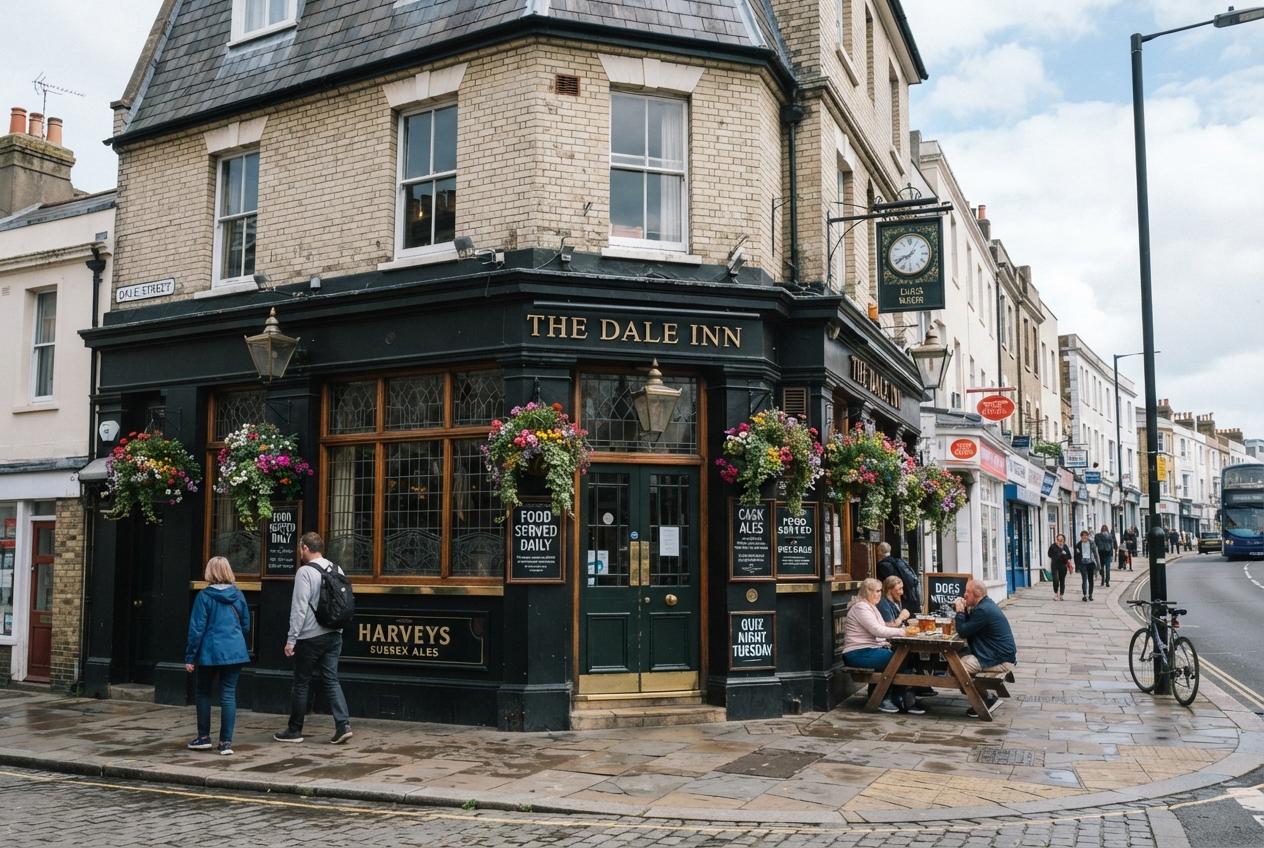
Shoppers and clubbers are watching as two of Brighton’s best-loved queer venues prepare to close, leaving locals heartbroken and raising tough questions about the future of LGBTQ+ nightlife in the city. Community leaders and organisers are urging year‑round support to keep these safe spaces alive.
Essential Takeaways
- Two long‑standing venues closing: Charles Street Tap and R‑Bar, both fixtures for over 20 years, are set to shut this September.
- Cost pressures cited: Rising rents, business rates and energy bills are blamed for at least one closure; hospitality sector challenges also play a role.
- Community impact: Pride organisers called the losses devastating, saying these were more than pubs , they’re social lifelines.
- Action requested: Locals are being urged to support queer venues all year, not just during Pride, by visiting, promoting and booking events.
Two pillars of Brighton’s queer nightlife are closing , what happened?
Brighton lost a little more sparkle this summer when Charles Street Tap announced it would close after 25 years and R‑Bar followed with plans to shut after 21 years. The news landed right after Pride, making the timing feel particularly raw for many who filled those rooms for decades. According to venue announcements and public statements, leases ending and spiralling costs were central to the decisions.
These places weren’t just places to drink; they’ve hosted birthdays, first dates, community meetings and quiet midweek refuge. Organisers at Pride described the closures as devastating and said these venues form part of the city's social fabric. For regulars, the rooms have a familiar hum , sticky floors, warm lighting, a sense of being seen , that’s not easy to replace.
Why costs and the wider hospitality squeeze are catching up with queer venues
R‑Bar pointed to rising business rates, rent and energy costs as key factors in its closure, reflecting a wider squeeze on hospitality operators across the UK. When fixed overheads rise sharply, smaller, community‑focused venues often have less margin to absorb the hit than larger chains.
This isn’t unique to Brighton. Around the world, long‑running LGBTQ+ venues have closed after decades, with owners citing financial pressures and changing cityscapes. The pattern underlines a structural problem: niche venues that provide cultural value aren’t always protected by market forces, and when one closes it can start a worrying domino effect.
The cultural cost: what we lose when queer spaces disappear
Losing pubs and clubs like Charles Street Tap and R‑Bar isn’t just a commercial story; it’s social and cultural. These venues have functioned as safe spaces where queer people can meet, organise and celebrate without explanation. Pride organisers stressed that these venues operate 52 weeks a year, not just for festival weekend footfall, and their loss erodes the town’s identity.
Community leaders and council figures have said they’ll work to support surviving venues, which is encouraging. But councillors and business owners face a tricky balancing act between commercial realities and preserving heritage. In plain terms: if people care, they’ll need to show it with more than words.
Practical ways locals can help , beyond a single night out
There are small, effective ways to back these spaces. Promoters, performers and punters can spread the word on social media, buy tickets to midweek events, host private hires or fundraisers, and choose to finish a night in a local queer venue rather than taking takeaway drinks elsewhere. Booking a table, bringing friends and tipping staff all directly affect a venue’s ability to survive winter bills.
If you run a business or represent a group, think about regular bookings or community partnerships , weekly quiz nights, queer film clubs or daytime meetups all add predictable income. Brighton & Hove City Council has said it will work with venues; community pressure can help speed practical support measures.
What the future might look like , resilience, reinvention or retreat?
There’s cause for cautious optimism if the community rallies. Some venues have reinvented themselves with diversified offers , daytime café tables, private hires, and hybrid arts spaces , that soften the punch of seasonal trade dips. Others have had to close despite valiant efforts, which is why many campaigners now talk about preservation funds or business‑rate relief specifically for cultural and community hubs.
A hopeful route is a mixed approach: short‑term support from councils and longer‑term changes to business models from owners. But ultimately it’ll come down to people showing up and choosing to invest their time and money in local queer venues beyond Pride weekend.
It's a small change that can make every night out safer and wiser.
Source Reference Map
Story idea inspired by: [1]
Sources by paragraph: