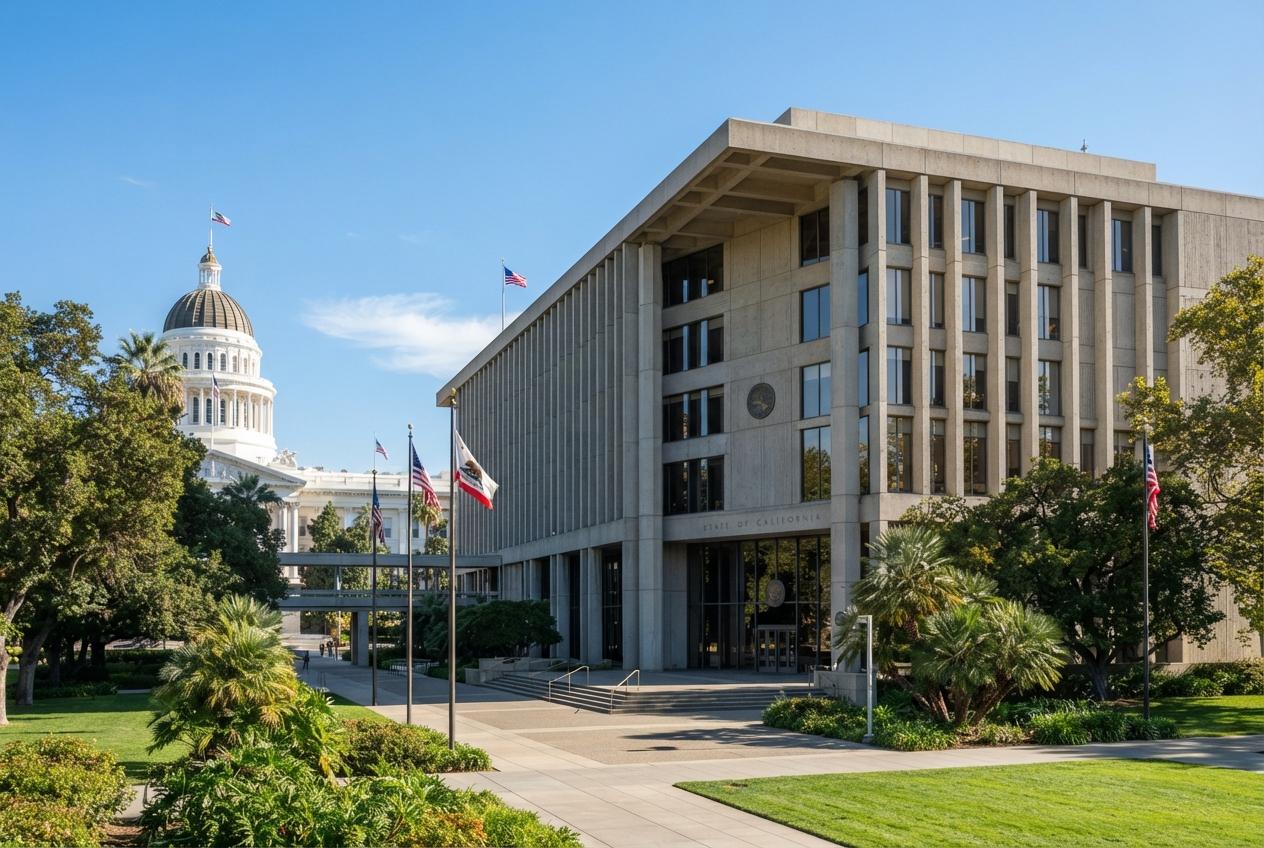
Shoppers of policy, take note: California lawmakers have just cleared a clutch of LGBTQ-focused bills from the dreaded fiscal suspense files and sent them to floor votes, from HIV prevention fixes to protections for students and data privacy , a significant moment for the community as Governor Newsom’s September decisions loom.
Essential Takeaways
- Injection access: SB 1023 targets insurance barriers to injectable PrEP so clinics can recoup costs and continue offering the shot, improving access for people at risk.
- Legal remedies expanded: SB 934 lengthens the window to sue over conversion therapy, letting survivors file malpractice-style claims later in life.
- Campus safety boost: SB 1328 would require confidential LGBTQ support staff at satellite and branch college sites, not just main campuses.
- Privacy and prevention: SB 1114 and SB 1114-adjacent measures aim to tighten SOGI data privacy and create an LGBTQ discrimination prevention coordinator for schools.
- Practical wins: Other measures cover bereavement for chosen family, condoms in schools, foster care responsiveness, and support for discharged trans veterans.
Why these bills mattered enough to survive the suspense file California’s appropriations committees use the suspense file when implementation costs look big, so getting bills moved off it signals legislative seriousness and strategic bargaining. These LGBTQ bills clear a big procedural hurdle and now face full chamber debate. For advocates, that feels like a win; for the governor, it’s a budget test ahead of his final sign-or-veto window.
SB 1023 , fixing an awkward PrEP payment gap The scene is practical and slightly bureaucratic: injectable PrEP is a proven prevention tool, but some health plans insist it be billed through a medical benefit, leaving community clinics stuck when they dispense through their pharmacies. SB 1023, led by Senator John Laird and backed by Equality California and major clinics, aims to close that loop so clinics aren’t left out of pocket. If you work in public health or run a clinic, this could mean smoother billing and steadier supply for patients , and for people relying on injectable PrEP, more consistent access.
SB 934 , extending time to seek justice after conversion therapy Conversion therapy’s harms are now well established, but survivors often only recognise injury years later. SB 934 by Senator Scott Wiener would let victims under 18 at the time bring claims up to age 40, and older victims within ten years of their last session , or within five years of discovering the harm. That’s a legal lifeline that could turn previously closed doors into avenues for accountability and healing.
Campus supports and school protections , what SB 1328 and SB 998 change College life isn’t the same everywhere on campus, and satellite locations often lack the infrastructure students need. SB 1328 would require a confidential staff contact for LGBTQ people at branch and outreach centres, building on last year’s main-campus law. Meanwhile SB 998 would create an LGBTQ Discrimination Prevention Coordinator at the state Office of Civil Rights to produce training materials for teachers and governors of school districts, helping staff spot and stop bias before it escalates. For students, that could mean a quieter, steadier sense of safety and someone to turn to when things go wrong.
Privacy, social media and data risks , SB 1114, SB 957 and related measures A cluster of bills responds to the modern danger of outed people via data-sharing and subpoenas. SB 1114 would limit when state agencies can disclose sexual orientation, gender identity and intersex (SOGI) data outside California government. SB 957 , retitled the SHIELD Act , would force tech platforms to inform users of administrative subpoenas and restrict how companies respond, letting the state attorney general step in. Those measures matter in a climate where online data can be weaponised, and where advocates worry that harvested SOGI details could put people at risk.
A raft of community-focused improvements , condoms, bereavement, hotline support and more Several bills are quietly practical: SB 608 would let students in grades 7–12 access condoms at school health centres, a move with clear public-health upside. SB 1149 would expand bereavement leave to include chosen family, recognising the real circles people rely on. AB 1540 seeks dedicated LGBTQ counsellors on California’s 988 line, pushing for a Press 3 option to connect callers with culturally competent help. These are the kind of changes that shift daily life, not just policy charts.
What happens next , the governor’s choices and the political backdrop All the bills that clear their chambers now head to Governor Gavin Newsom, who has until September 30 to sign or veto. Newsom has a track record of rejecting bills with big price tags, and with national ambitions in play, his fiscal instincts may sharpen. So advocacy groups are watching closely, balancing celebration at procedural wins with nervous campaigning to secure signatures.
Practical tips for readers
- If you rely on community clinics for PrEP, ask your provider whether SB 1023 would change how your medication’s billed or dispensed.
- Students and parents: check whether your college has a confidential LGBTQ contact or plan to ask for one if SB 1328 passes.
- Organisations collecting SOGI data should review privacy practices and be ready to respond to new state limits on sharing.
- For anyone affected by conversion therapy, note the potential new filing timelines and keep records of care and discovery dates.
It’s a busy moment in Sacramento that mixes budget arithmetic with deeply personal protections , and the next few weeks will show whether these bills survive the governor’s calculus.
Explore the measures that matter to you, and make your voice heard with your representatives.
Source Reference Map
Story idea inspired by: [1]
Sources by paragraph: