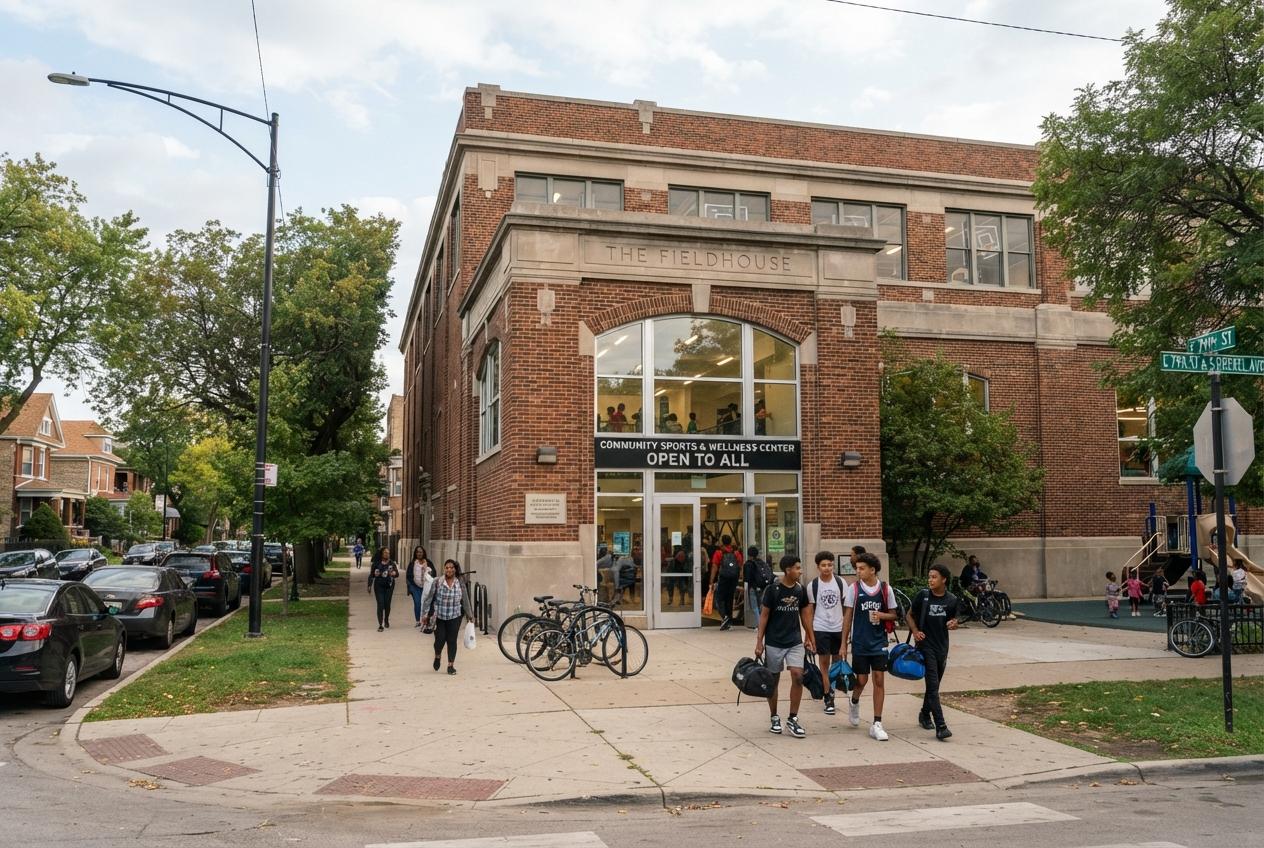
Watch how pickup basketball and welcoming community leagues are quietly rebuilding lives: players find safety, belonging and a second shot at the childhood they were often forced to leave behind. This matters for families, coaches and anyone worried about fairness, inclusion and kids’ mental health.
- Inclusive settings build confidence: queer and trans players describe courts as safe spaces where they can be themselves and recover lost years of play.
- Low participation, big impact: trans youth make up a small share of sport participants, yet their presence has outsized social and emotional benefits.
- Physicality isn’t the point: recreational hoops emphasise fun and skill development, not elite performance, so worries about “unfair advantages” often miss the context.
- Practical wins: these groups are easy to join, low-cost, and tend to have clear codes of conduct that keep play friendly and respectful.
Why neighbourhood pickup basketball is quietly transformative
There’s a soft joy to watching people who’d been kept off courts return and laugh through clumsy lay-ups and awkward passes. According to recent reporting, community pickup leagues in cities like Chicago have become hubs where queer and trans adults rediscover play and friendship. Those first clumsy runs often turn into ritual nights, potluck dinners and real friendships that restore a sense of home and identity.
The backstory is familiar: many trans players left organised sport in adolescence after locker rooms and team cultures stopped feeling safe. Reentry through adult recreational leagues becomes a form of reclaiming what was lost, not a competitive power play. If you care about kids’ wellbeing, think about where sport fits in as social glue , not just as win-loss tallies.
The data vs the fear: participation is small, impact is huge
Studies show trans people are a small fraction of the population and an even smaller share of youth-sport participants, yet the debate is often framed as if they’re ubiquitous and threatening. That mismatch drives policy proposals that can feel performative rather than problem-solving.
Instead of assuming harm, look at the numbers and the lived experience. Research and expert analysis suggest there’s no straightforward reason to ban trans women broadly from recreational environments , and doing so risks doing real damage to mental health and inclusion. If you’re weighing policy, prioritise evidence and the human stories behind the stats.
What inclusion looks like on the court
Good community runs tend to share simple practical features: clear codes of conduct, respectful language, volunteer run-ins who diffuse conflicts, and common-sense approaches to team balance. These are easy to replicate elsewhere, whether at a council-run leisure centre or a workplace sports night.
If you’re organising, pick a venue that feels neutral, set explicit behaviour rules, and encourage a buddy system for new players. Keep games mixed-ability and remind people that not every session needs to be a high-stakes contest. That mindset reduces clashes, keeps play safe, and makes the court somewhere people want to return.
Why arguments about “physical advantage” miss the point for most grassroots sport
The focus on hormone levels and performance often stems from elite-sport thinking, where tiny margins matter. But most adult recreational leagues and youth community sport prioritise participation, social skills and fun. The real risk to girls’ sport isn’t a few trans players in a local run; it’s losing players due to invasive policing, body-shaming or exclusionary policies that make sport feel unsafe for anyone who looks or feels different.
Experts who study sport and physiology urge nuance; blanket bans create more problems than they solve. A healthier approach is to tailor rules for elite competition while protecting inclusive participation at community and school levels.
How parents, coaches and clubs can get this right tomorrow
Start with curiosity instead of panic. Talk to your local clubs and ask about their inclusion practices. Support mixed-ability, low-cost opportunities so kids who’ve been sidelined can try again. If you’re a coach, avoid making gender policing part of your toolkit; focus on safety, respect and skill development.
If you lead policy, ask simple questions: who benefits from a restriction, and who is harmed? Legislation that subjects all kids to scrutiny or invasive testing will likely push more young people out of sport, not protect them.
Basketball, and community sport more broadly, can be a lifeline. Protecting that lifeline means protecting the people who need it most.
It's a small change that can make every game safer and more joyful.
Source Reference Map
Story idea inspired by: [1]
Sources by paragraph: