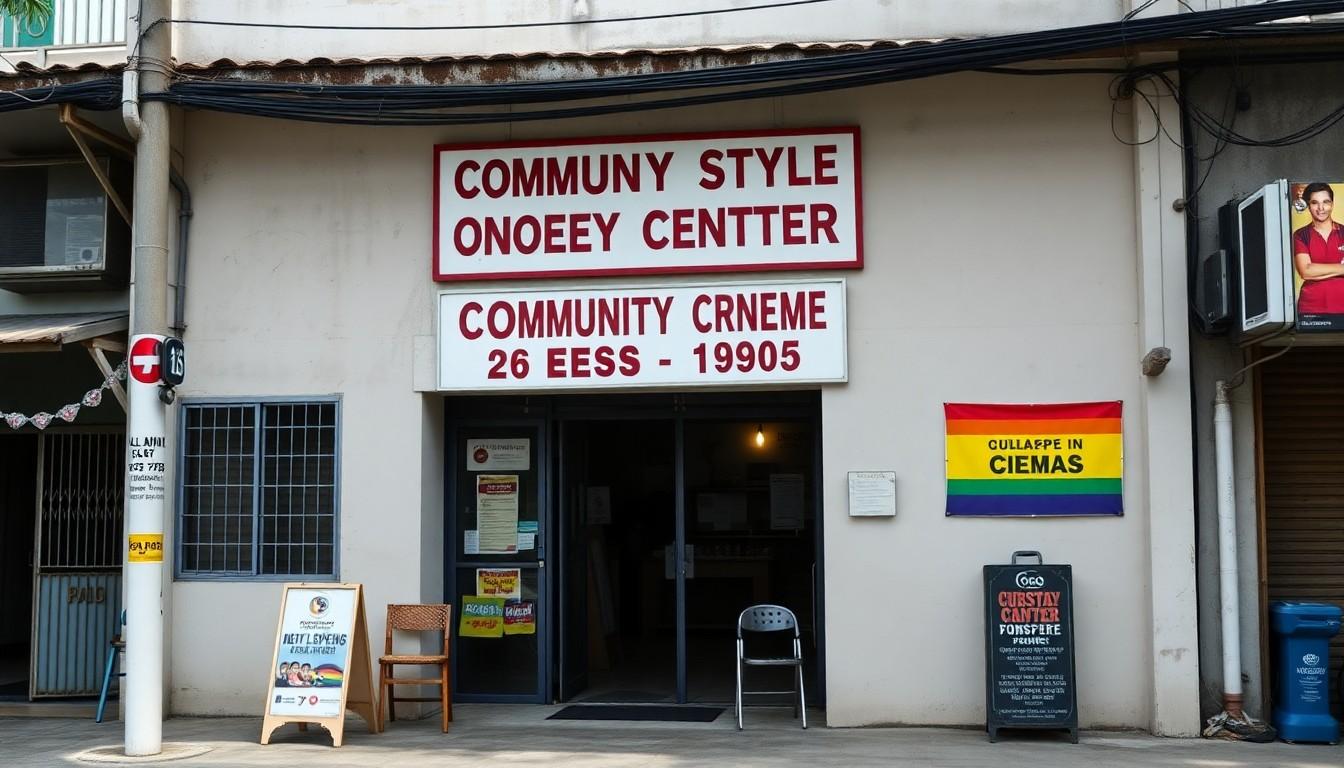
Shoppers are turning to stories that humanise illness and desire: Filipino indie films are putting HIV stigma and queer relationships centre stage, and that matters because these movies make empathy visible, challenge myths, and nudge viewers toward better understanding and care.
- Powerful emotional pull: Films like Tayo Lang Ang Nakakaalam use intimate family scenes to convey the quiet ache of secrecy and shame.
- Stigma explained: HIV stigma is shaped by fear, misinformation and moral judgement, making people hide diagnoses and relationships.
- Legal protections exist: Philippine law bars discrimination based on HIV status, but social attitudes lag behind the statute.
- Festival reach: Cinemalaya and its alumni , from queer dramas to genre experiments , are bringing these stories to local and international screens.
- Practical takeaway: Open conversations, accurate info about treatment like ART, and supportive language help prevent social isolation.
Why Tayo Lang Ang Nakakaalam hits differently , and why you’ll feel it
The film opens on grief and a hush that feels almost physical, a texture you can sense as characters avoid a single truth. When Bong dies and his HIV is withheld, the film shows how secrecy can be chosen out of fear rather than malice. Cinemalaya has long been a space for these honest, noisy, messy films, and this entry keeps that tradition alive. If you want to start a conversation with family, a gentle first step is asking open questions rather than making assumptions , it’s more likely to invite honesty.
Stigma is social, not medical , the myths that persist
HIV stigma grows from false beliefs: that it spreads by casual contact, or that it’s a punishment for behaviour. That miseducation breeds exclusion, whispered labels and acts of omission , like introducing a partner as "just a friend." Medical advances such as antiretroviral therapy (ART) have changed HIV from a likely death sentence to a manageable condition, yet movies remind us that social death is still real. Share clear facts: ART reduces viral load, often to undetectable levels, and undetectable equals untransmittable , a simple phrase that helps cut fear.
Cinemalaya’s broader queer slate shows a shifting cultural conversation
Cinemalaya hasn’t kept queer stories in a box. Recent and past selections , from Open Endings to Warla, Kantil and Bwakaw , explore identity, friendship, survival and ageing with tenderness and grit. According to festival coverage, several of these films have gone on to festival runs abroad and local cinema releases, widening their impact. That visibility matters: when queer lives are visible across genres, audiences learn to recognise shared human stakes, not stereotypes.
Laws are a safety net, but attitudes need more than ink
The Philippine HIV and AIDS Policy Act of 2018 bans discrimination in workplaces, schools and health services, which is an important legal backstop. Yet films show how legal protection doesn’t always translate into family acceptance or everyday safety. Practical advice: if you or someone you know faces stigma, local NGOs, clinics and helplines can offer counselling, legal referrals and testing services , and sometimes a listening ear is the most immediate relief.
How to watch, talk about, and learn from these films
See them with people who'll actually discuss what you watched; leave post-screen silence to a minimum. Prepare a few supportive facts beforehand , about transmission, ART, and confidentiality , so you can correct myths without confrontation. If a friend discloses, respond with "thank you for telling me" rather than questions about blame. Films are conversation starters; use them to seed empathy, not judgement.
It's a small change that can make every goodbye and every confession a little less lonely.
Source Reference Map
Story idea inspired by: [1]
Sources by paragraph: