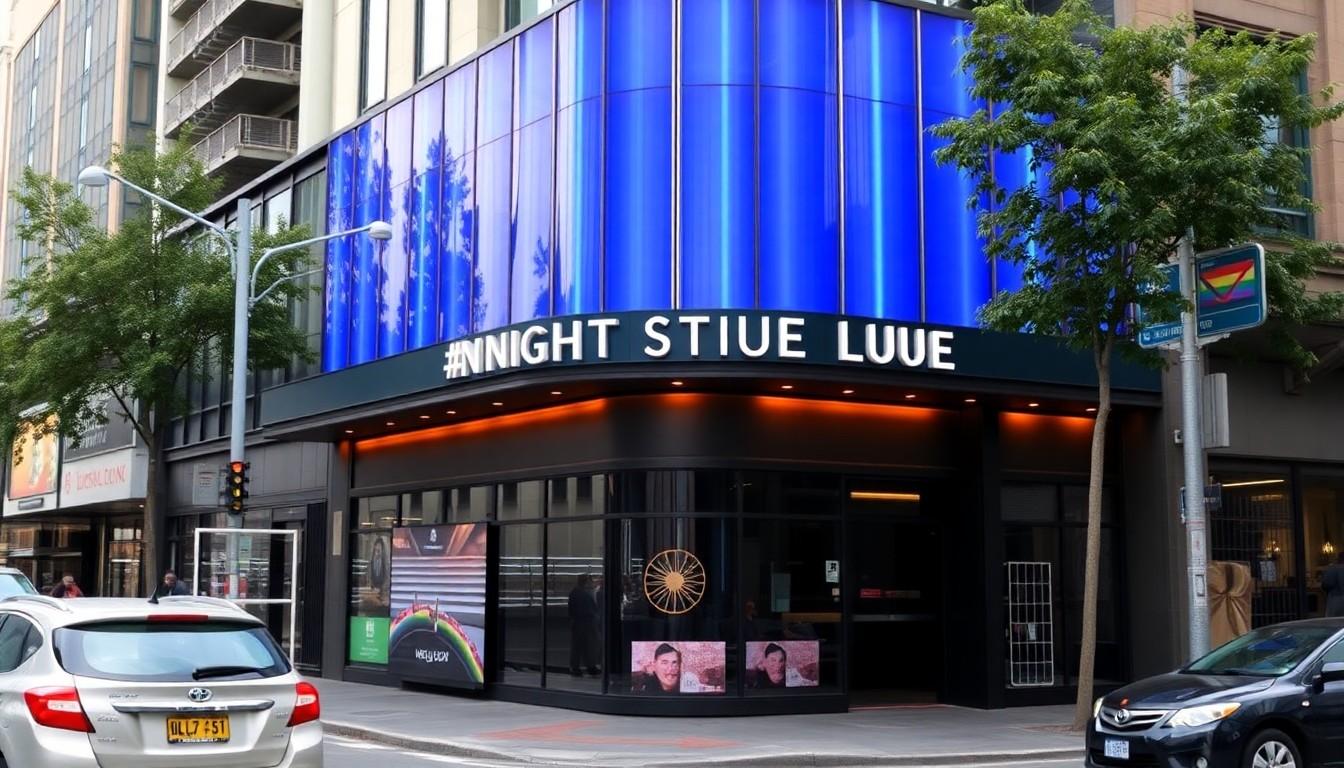
Shoppers and clubbers noticed a heavy police presence on Oxford Street during Pride month, and now the state’s law enforcement watchdog has told NSW Police to reopen its inquiry , a move that matters to LGBTIQA+ venues, patrons and anyone worried about overreach and humiliating search tactics.
Essential Takeaways
- Watchdog direction: The Law Enforcement Conduct Commission has required NSW Police to reinvestigate mid‑June sniffer‑dog raids after disagreeing with a police decision not to probe complaints.
- What happened: Groups of officers with drug dogs entered multiple Oxford Street venues during Pride, conducting pat‑downs, flashlight searches and some strip searches; dozens of people were searched.
- Low hit rate, high impact: While a number of drug detections were recorded, only one supply charge followed, echoing long‑running concerns that sniffer dogs rarely catch suppliers.
- Community reaction: Local politicians and patrons described the raids as intimidating and retraumatising, recalling past clashes between police and the queer community.
- Why it matters: The LECC’s intervention tests accountability for policing that many say revives prejudicial, confrontational tactics during a symbolic celebration.
What the LECC actually ordered , and why it’s a big deal
The strongest line here is the LECC’s use of statutory power to call the matter back for investigation, which signals the watchdog thinks the NSW Police probe was insufficient and that community concerns deserve proper scrutiny. According to the ABC, the watchdog reviewed material and disagreed with the professional standards unit’s conclusion that no further action was warranted. That’s not routine , it’s a rebuke that could reshape how these sorts of operations are reviewed. For patrons who felt humiliated, the order will feel like the start of a formal reckoning.
The night on Oxford Street: tactics that alarmed patrons
Eyewitnesses and footage shared online showed clusters of six to twelve officers entering venues with sniffer dogs, bright torches and a confrontational stance. People described being pushed, having lights shone in their faces, being corralled against walls and taken aside for strip searches. Local MPs and the Lord Mayor said they’d never seen so many complaints in a decade, and many felt the timing , right in Pride month , intensified the harm. The ABC reported dozens of searches took place that evening; only one person was later charged with supply.
Sniffer dogs and strip searches: the long, contested history
Drug dog operations in NSW date back to the early 2000s, but multiple reviews and campaigns have questioned their effectiveness. Ombudsman and campaign group findings over the years show a low success rate at finding supply‑level offences and a high rate of searches that turn up little or nothing. The Greens’ Sniff Off campaign and parliamentary figures have repeatedly highlighted that most dog indications lead to minor cannabis detections or no finds at all, raising questions about proportionality , and about the spike in accompanying strip searches since the mid‑2010s. For venue operators and festival organisers, that history matters when deciding whether to cooperate or push back.
A community hurt by history , and fearing relapse
The Oxford Street scenes rekindled memories of uglier times for LGBTIQA+ communities, with older campaigners recalling police brutality at past Mardi Gras events. That context explains why many residents and activists reacted so strongly: this wasn’t just another police operation, it looked and felt like a return to institutionalised prejudice for some. Local elected officials framed the raids as intimidation rather than public‑safety policing, arguing the role of police should be to protect, not humiliate. The LECC’s move is therefore being watched as a test of whether policing culture has truly changed.
Practical implications for venues and patrons
If you run or visit clubs on Oxford Street, there are clear, practical takeaways. Venues should review entry policies, security training and incident‑reporting processes so patrons can safely record and report what happens. Patrons can insist on knowing the reason for any search, record interactions where lawful and report traumatic incidents to independent bodies , and support services are available for those affected. Campaigners will likely push for clearer guidelines around sniffer‑dog deployments and limits on strip searches, particularly in sensitive settings like Pride events.
It’s a small but important accountability step , one that could make a real difference to how Oxford Street and similar precincts are policed in future.
Source Reference Map
Story idea inspired by: [1]
Sources by paragraph: