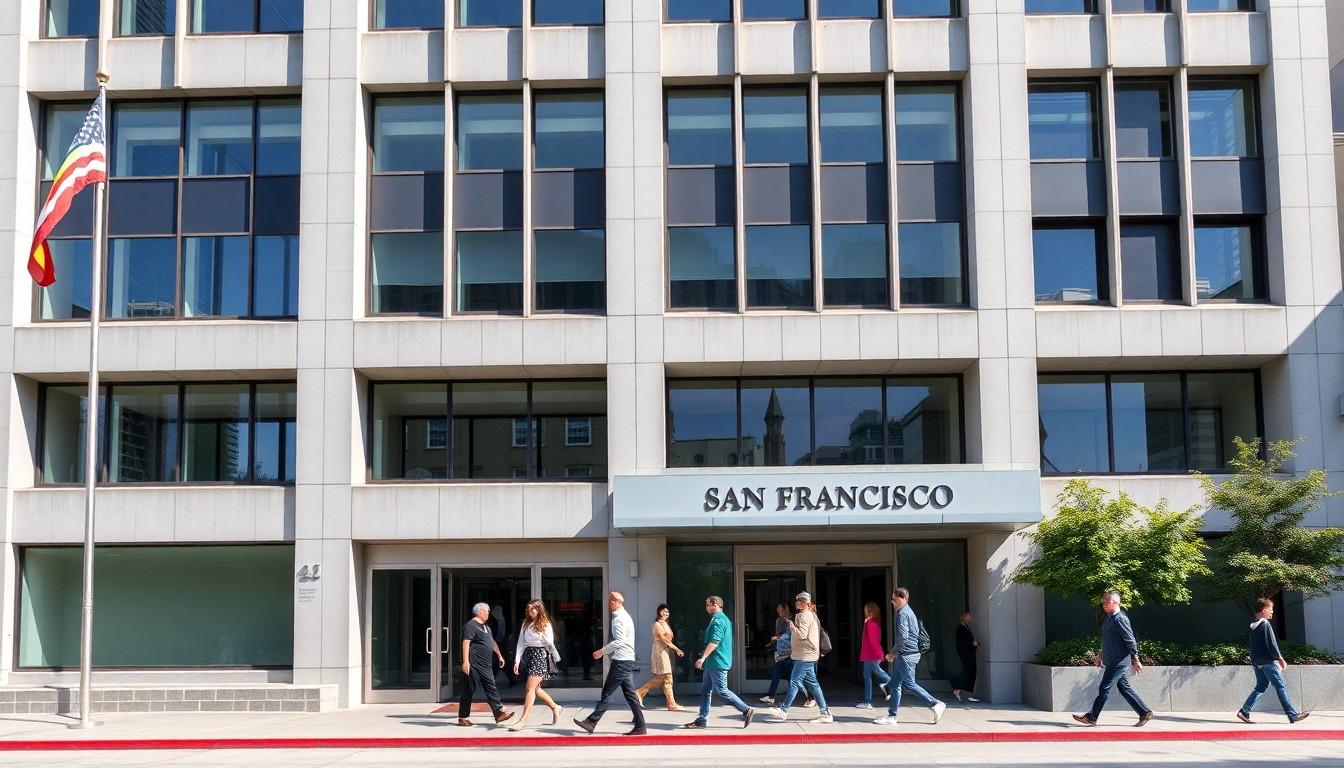
Celebrate, remember, and reckon: San Francisco marks its fifth Transgender History Month in August 2026, highlighting decades of activism, landmark policies, and ongoing fights over funding and memory that make this small civic observance a national touchstone.
Essential Takeaways
- Historic roots: San Francisco’s trans movement traces visible public resistance back to the Compton’s Cafeteria Riot of 1966, a raw, defiant flashpoint.
- Policy firsts: The city pioneered municipal gender-affirming benefits and created the world’s first Transgender Cultural District.
- Growing recognition: California and other cities followed San Francisco in formally recognising Transgender History Month.
- Funding friction: Important programmes like GIFT faced cuts or closures amid budget stress and legal pressure.
- Archival gaps: Historians warn of “archival silence,” underscoring the need for better record-keeping and commemoration.
Why San Francisco still leads the conversation on transgender history
San Francisco’s streets have a texture of memory , murals, flag-raisings, and district signs that feel simultaneously celebratory and defiant. According to reporting on the city’s early proclamations, Mayor London Breed set a precedent in 2021 by declaring August Transgender History Month, a move that signalled municipal recognition of local trans histories and struggles. That civic gesture feels both symbolic and practical; it gives groups a calendar anchor to organise, fundraise, and educate.
The city’s reputation didn’t arrive overnight. Local organisers, clinicians and activists laid tracks for decades, and the municipal proclamations are the latest layer in a long civic conversation. For readers, the takeaway is clear: official recognition deepens visibility, but it doesn’t make challenges disappear.
The Compton’s Cafeteria Riot: a gritty origin story you can almost hear
August 1966 in the Tenderloin left an audible echo , the clash at Compton’s Cafeteria is often described as the moment trans people pushed back, visibly and angrily, against police harassment. Details pulled together from San Francisco histories show this uprising preceded Stonewall by three years and helped set the tone for grassroots organising. You can almost see the storefront and feel the heat of the moment.
Yet historians also caution about what’s missing on the page. As Susan Stryker and other scholars have noted, contemporary coverage and records were scarce, which makes piecing the riot’s story a detective job. That uncertainty is why public commemoration and oral-history projects matter so much now.
From peer-led support to municipal benefits: the policy trail
San Francisco’s practical innovations read like a timeline of care. After early community-led efforts , peer counselling and mutual aid in the late 1960s , the city moved to institutional supports. By 1999, San Francisco became the first major U.S. city to offer gender-affirming surgery benefits to municipal employees, a pragmatic policy with emotional and financial consequences for workers.
Those milestones show how activism can translate into policy, and then into everyday relief for people who need it. If you’re advising friends or family on local services, look for municipal program listings and employee benefits pages , they’re where change often becomes tangible.
Recognition spreads: cities and the state follow
San Francisco’s 2021 city proclamation resonated beyond city limits. Other California cities and the state itself joined the chorus over the following years, with Santa Clara, San Diego and Windsor adopting August observances and California formally recognising Transgender History Month statewide. This cascade of recognition turned a local act into a broader civic norm.
That spread matters for two reasons. First, it signals political legitimacy: when several jurisdictions mark a month, institutions feel more comfortable funding events and curricula. Second, it widens access: residents outside San Francisco get a chance to learn and celebrate without travelling downtown.
Money, politics and the limits of municipal goodwill
Celebration and commemoration coexist with hard choices about budgets. Programs like the Guaranteed Income for Transgender People (GIFT) pilot launched with high hopes, offering monthly stipends to low-income trans residents. But municipal deficits and legal challenges forced hard re-evaluations and, in some cases, sunsetted initiatives.
That tension is a crucial lesson: policy wins can be fragile. For advocates or donors, the practical response is to diversify support , combine public funds with private philanthropy and long-term endowments so essential services survive political and fiscal storms.
Preserving the story: why archives and street art both matter
Memory is political. The world’s first Transgender Cultural District and large public murals , like the Black Trans Lives Matter painting at the Compton’s intersection , are physical claims on space and history. They’re also counterweights to archival silence, which historians highlight as a real problem for reconstructing trans lives and struggles.
If you care about keeping these stories alive, consider simple actions: donate oral histories, digitise old newsletters, attend local museum projects, or support cultural districts. Those small investments help keep a messy, human history legible for the next generation.
It's a small change that helps honour the past and protect progress.
Source Reference Map
Story idea inspired by: [1]
Sources by paragraph: