Shoppers for bold cinema are watching Lilly Wachowski’s struggle to get The Hunted made , the Matrix co-director says studio resistance isn’t about cost but an all-trans cast, and live table reads in Los Angeles aim to prove the story’s commercial and emotional pull.
Essential Takeaways
- Modest budget: The Hunted is pitched at around $10 million, a restrained figure in today’s studio landscape.
- Casting is central: Wachowski plans to cast transgender performers in every major role, which she says is the reason studios balk.
- Public readings used: Live table readings took place in Los Angeles to showcase the screenplay and performers in front of an audience.
- Artistic persistence: Wachowski continues seeking partners who will protect the casting plan and creative vision.
- Cultural moment: The situation highlights growing studio caution about visible representation despite market examples of modest-budget hits.
Why a $10 million thriller is still struggling for studio finance
It sounds counterintuitive: a $10 million thriller should be an easy sell in an era that has rewarded tight, high-concept films. The Hunted’s price tag is deliberately modest, which in theory lowers financial risk and leaves room for creative freedom. You can almost picture the pitch meeting that focuses on a lean production schedule and strong genre hooks.
Yet Lilly Wachowski says the sticking point isn’t numbers, it’s casting. She believes executives are reluctant to back the film because she wants transgender performers in every major role. That’s a blunt reminder that financing decisions remain as much about perceived audience safety as creative merit, even when budgets are conservative.
Live readings: a low-tech proof of concept with real people and feeling
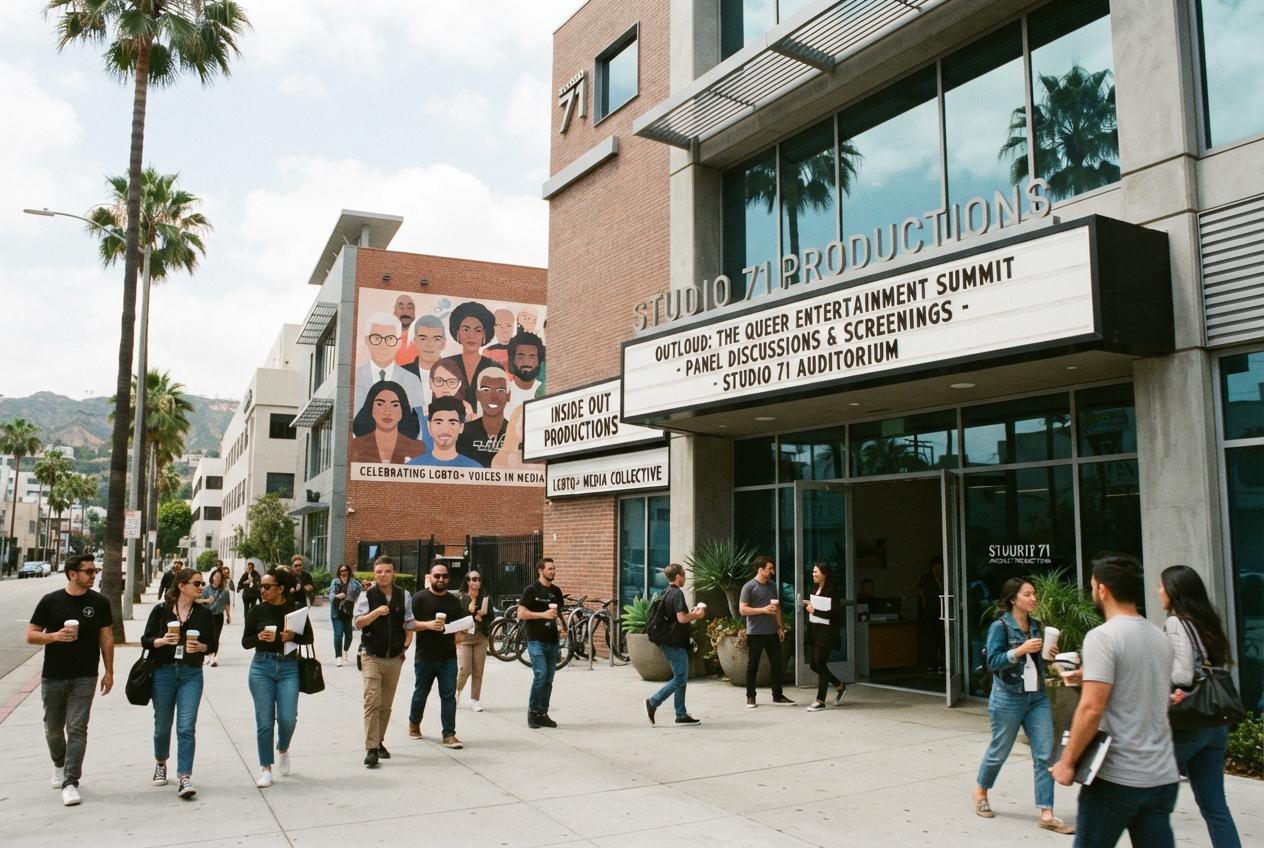
Wachowski and collaborators staged public table reads in Los Angeles to show the script and cast working in front of an audience. Readings are an old-school, humane way to test a story , you hear the cadence, the laughs, the silences. According to reports, the events were meant to demonstrate both craft and crowd reaction outside the filtered world of studio notes.
The readings also offered an emotional counterpoint: they showed the joy, catharsis and dynamism Wachowski says the film contains. If studios demand evidence that a cast can carry a thriller, live performances offer direct proof that casting choices aren’t just principled, they’re commercially and dramatically viable.
Casting trans actors isn’t just representation, it’s part of the film’s DNA
This isn’t a cameo-level diversity tick box. Wachowski wants trans performers in every major role, which makes representation integral to the film’s identity. That can be risky from the perspective of cautious executives who measure potential headlines and international sales.
But there’s a larger cultural shift to consider: audiences have repeatedly shown interest in original voices and underrepresented talent. Films with clear points of view can find passionate audiences, especially when marketed smartly. For filmmakers and producers, the question becomes how to convince buyers that authenticity is also marketable.
Studios retreating from commitments , what that says about Hollywood now
Wachowski’s account arrives amid a broader climate where some studios appear to be shrinking from public commitments to diverse casting. Industry observers note a retrenchment in certain corners, where perceived geopolitical, market, or PR risks temper earlier enthusiasm for bold representation.
That said, there are counterexamples: recent modest-budget genre hits proved that focused storytelling pays off. The lesson for creators is to balance principled casting with strategic partners , be they indie financiers, streamer labels, or production companies willing to champion riskier but culturally resonant projects.
How filmmakers can move projects like The Hunted forward
If you’re a filmmaker or producer taking notes, live readings are a savvy tool , they’re cheap, demonstrable, and emotionally persuasive. Pair those with strong festival strategy, niche-marketing plans, and partners who understand global sales windows and streaming deals. And remember that audience appetite for authenticity can be an asset, not a liability.
Wachowski’s persistence suggests this is more than a single project fight; it’s a test case for how the industry will treat trans-led storytelling in years to come. For viewers, it’s an invitation to pay attention and support films that broaden who gets to lead on screen.
It's a small move toward a cinema where casting choices and creative vision get equal weight.
Source Reference Map
Story idea inspired by: [1]
Sources by paragraph: