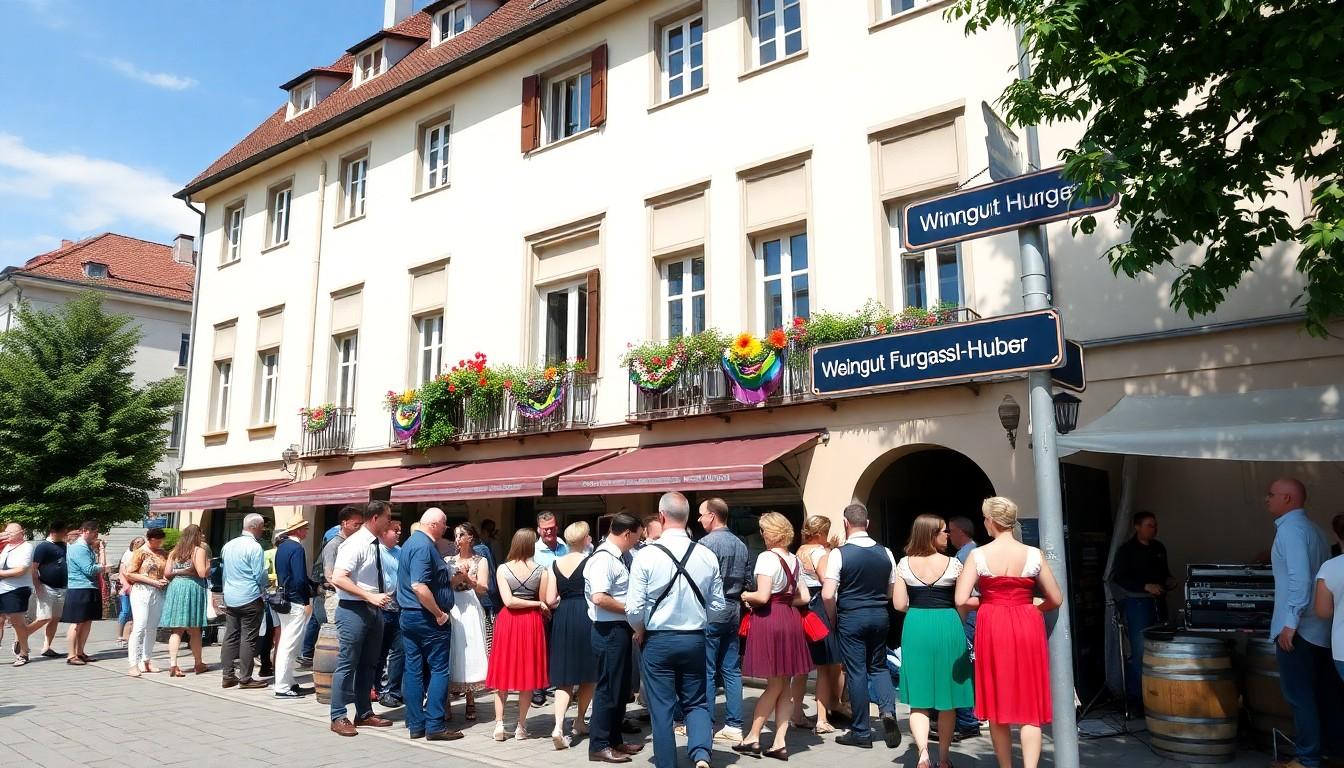
Discover why Vienna’s Neustifter Kirtag is trending this August , a centuries‑old wine festival that now mixes Dirndl style, family fun and a lively QUEER MOMENTS drag programme, running 20–23 August and reaching a colourful peak on Sunday the 23rd.
Essential Takeaways
- When and where: Neustifter Kirtag runs 20–23 August 2026 through Neustift am Walde and Salmannsdorf, weaving between Heurigen and stalls.
- Historic roots: The festival traces back to an 18th‑century winegrowing tradition tied to a harvest crown and Empress Maria Theresa.
- What to expect: Traditional Tracht alongside contemporary styling, live music and a public QUEER MOMENTS programme on 23 August with drag, readings and family activities.
- Practical vibe: Outdoor Heuriger atmosphere, easy to stroll, smells of wine and grilled food, visual treats from Dirndl to rainbow flags.
- Free highlights: QUEER MOMENTS events at Weingut Fuhrgassl‑Huber start from 10:00 on 23 August and are open to festival visitors.
Opening Hook: a wine festival that keeps surprising
Neustifter Kirtag still smells faintly of yeast and grape must, but these days you’ll see as many modern Dirndls and sequins as old farming aprons. The festival’s route threads through Neustift am Walde and Salmannsdorf, linking local Heurigen for four days of wine, music and people‑watching. It’s an easy, sociable outing , bring sensible shoes and leave space for a slice of cake.
Backstory: from a harvest crown to a living tradition
According to local story, Neustifter winegrowers presented a harvest crown to Empress Maria Theresa after a poor vintage in 1752; she reportedly waived their taxes and asked that a Kirtag be held each year. That mix of ritual and relief helps explain why the Kirtag has endured and evolved, becoming part of Austria’s intangible cultural heritage. Over time the pageant of costumes changed with fashion , Tracht migrated from everyday wear to festive dressing.
Why Dirndl today isn’t a costume theatre
The Dirndl on display now is more fashion statement than museum piece. What people wear at the Kirtag reflects late‑19th and 20th‑century shifts in Tracht, and a revival from the 1990s onward made traditional silhouettes a go‑to for celebrations. So expect clever styling , playful aprons, bold colours and accessories , rather than strict historical reenactment. If you’re choosing a look, pick comfort and layers: Vienna evenings can turn cool.
QUEER MOMENTS: drag and family programming in the Heuriger
QUEER MOMENTS brings queer visibility into this neighbourhood festival without turning it into a separate event. On Sunday 23 August the series offers a public programme from 10:00 at Weingut Fuhrgassl‑Huber with drag performances, readings, a queer Frühschoppen and make‑up stations. It’s a gentle cultural nudge , drag, music and family programming inserted into the everyday conviviality of the Kirtag so everyone can join in.
How clothes become cultural language here
At the Kirtag, clothing does social work. Tracht signals region, occasion and belonging, while drag and theatrical dresswork play with identity and presentation. When Dirndl meets drag you get a conversation between continuity and reinvention: both transform the body and say something about how people want to be seen. That visual dialogue makes the festival feel refreshingly contemporary.
Practical tips for visitors
Plan your route using the official Kirtag overview and Heurigen map, pace yourself between wine tastings, and arrive early for the QUEER MOMENTS morning slot if you want front‑row views. Families are welcome at the Sunday programme, and many activities are free. Bring cash for small stalls, wear layers, and consider public transport , the village lanes fill up fast.
Look ahead
Neustifter Kirtag keeps one foot in centuries of winegrowing ritual and the other in present‑day community life. Expect good wine, visual delights and a warm, inclusive atmosphere , and don’t be surprised if your idea of Tracht gets a playful update by the end of the day.
It's a small change that can make every visit feel festive and a little bit new.
Source Reference Map
Story idea inspired by: [1]
Sources by paragraph: