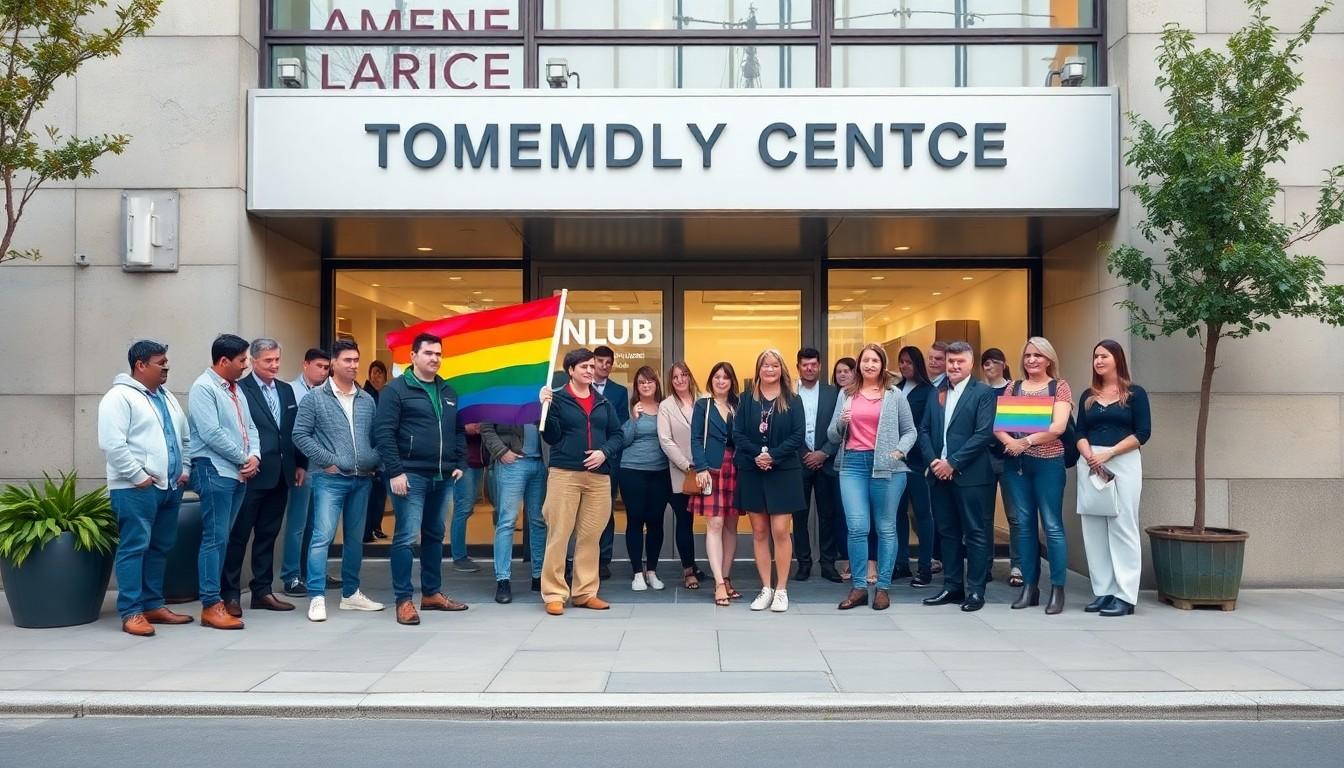
Shoppers are turning to new political alliances: 142 organisations across Europe and beyond have signed a transfeminist manifesto, calling for solidarity between trans and feminist movements and arguing that unity is essential to protect human rights, justice and the safety of marginalised people.
Essential Takeaways
- Wide coalition: 142 organisations, including Transgender Europe and Central Asia, AWID and ENAR, backed a joint transfeminist manifesto for collective action.
- Five core principles: The manifesto commits to solidarity-based action, recognising trans people within feminism, interdependence, intersectionality, and choosing solidarity over neutrality.
- A response to rulings: The push comes amid legal and policy pressure, including a UK Supreme Court decision defining “woman” by biological sex, which campaigners say increases risk for trans people.
- Campaign backing: The manifesto is part of TGEU’s EU-funded “In This Together: Transfeminist Solidarity” campaign, spotlighting cross-movement cooperation.
- Practical stakes: Signatories warn that exclusionary policies can produce harmful assessments, outing and unsafe access to services for trans and gender non-conforming people.
What the manifesto actually says and why it feels urgent
The opening line is simple but sharp: feminism needs to be a united front. The manifesto explicitly asks feminist movements to stand with trans people, arguing that equality and human rights are best defended together. You can almost hear the practical worry, policies that split movements leave people exposed, not empowered.
This statement comes from groups with long experience in rights work. Transgender Europe and Central Asia (TGEU), the Association for Women’s Rights in Development (AWID) and the European Network Against Racism (ENAR) are among those who drafted and rallied support, giving the text both international reach and grassroots credibility. For activists, it’s both a moral appeal and a strategic one: shared threats demand shared resistance.
Five principles that aim to change the conversation
The manifesto sets out five clear principles: solidarity-based action, recognising trans people as part of feminism, interdependence, centring intersectionality, and choosing solidarity over neutrality. Those read less like abstract theory and more like a to-do list for campaigners.
Why does that matter day-to-day? Because intersectionality and interdependence force organisations to think beyond single-issue advocacy. If a feminist group wants safe clinics, it also has to worry about how trans people access those clinics, and how racism, xenophobia and class shape the experience. It’s a practical, inclusive approach to organising.
The legal background that sharpened focus
The manifesto didn’t appear in a vacuum. Campaigners point to recent legal developments , most notably a UK Supreme Court ruling that said “woman” under the Equality Act should be read as biological sex. That judgement has already reshaped guidance on single-sex spaces and fuelled campaigns that push for exclusionary policies.
TGEU and allies have publicly criticised the UK guidance, warning it will result in invasive assessments and could out trans and gender non-conforming people without consent. According to campaign groups, those outcomes aren’t theoretical; they’re immediate risks that affect everyday access to services and personal safety.
Who signed up and what it means for activism
A coalition of 142 organisations is unusually broad for this kind of text , it ranges from trans-led groups to feminist networks and anti-racism organisations. That breadth matters: it signals that concern isn’t limited to a single corner of civil society. Instead, many groups now see solidarity as central to defending basic rights.
For activists, the manifesto gives a shared language to challenge policies that pit women’s rights against trans rights. For funders and policymakers, it’s a signal that coalition politics is gaining traction and that solutions will need to be intersectional, not siloed.
Practical takeaway for campaigners and the public
If you’re running a group or volunteering locally, the manifesto offers a checklist: review your policies for inclusion, train staff in gender diversity and intersectional harms, and avoid neutrality in the face of rights erosion. Small organisational shifts, clear anti-discrimination policies, confidentiality safeguards, and community-led consultation, can make services safer now.
For the public, the ask is straightforward: recognise that defending one group’s rights often means defending others too. That’s the practical logic at the manifesto’s core, and it’s why its authors call for solidarity rather than division.
It's a small change in rhetoric with potentially big consequences for safety and solidarity.
Source Reference Map
Story idea inspired by: [1]
Sources by paragraph: