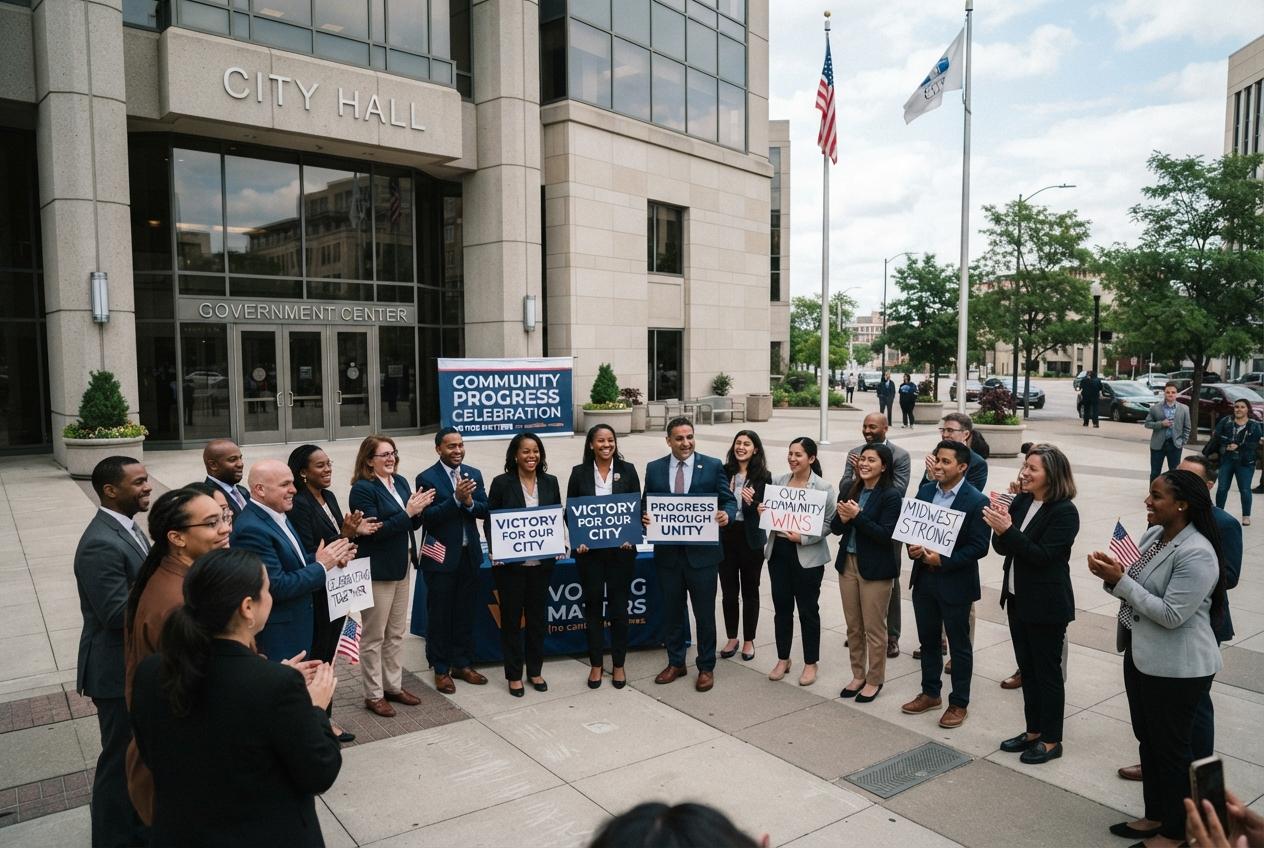
Shoppers are turning their attention to the ballot box: Tuesday’s primaries in Minnesota, Wisconsin, Vermont and Connecticut delivered mixed results for progressives but clear wins for many LGBTQ+ Democrats , a notable moment that matters for representation and the November general elections.
Essential Takeaways
- LGBTQ+ candidates scored strong wins: Several openly queer incumbents and newcomers won primaries, boosting representation in statehouses and Congress.
- High-profile loss for a centrist: Rep. Angie Craig lost Minnesota’s Democratic primary for Senate to Lt. Gov. Peggy Flanagan, after a bruising fight over immigration policy.
- Progressives gain ground locally: Winners include first-time and younger candidates with a grassroots feel, many running on economic and social justice messages.
- Mixed state-level mood: Wisconsin picked a moderate for governor while Minnesota re-nominated a Senate favourite; races will shape fall playbooks.
- Practical signal: More competitive primaries mean voters should check local ballots early , turnout and endorsements still move tight races.
LGBTQ candidates riding a visible wave of wins
Many queer candidates left Tuesday’s primaries with cause for celebration, and you could feel the momentum in the turnout and messaging. In Minnesota, several out state legislators and challengers won, while in Vermont and Wisconsin incumbents and newcomers also advanced without major drama. According to local coverage, these victories reflect a growing comfort among voters with LGBTQ+ leaders who discuss pocketbook issues as well as civil rights.
This trend didn’t happen overnight. Advocacy groups and community networks have been building long-term pipelines for queer candidates, and endorsements from national figures gave campaigns extra lift. If you’re following the November ballots, note which local races flipped to more diverse representation , it often signals a durable shift in suburban and urban districts.
The Angie Craig upset , what it tells us about intraparty pressure
Minnesota’s Democratic Senate primary produced a headline-grabbing loss for Rep. Angie Craig, who was defeated by Lt. Gov. Peggy Flanagan after critics zeroed in on Craig’s record around immigration enforcement. Coverage framed the race as part policy fight, part personality test: voters rewarded a candidate who leaned harder into progressive credentials and grassroots organising.
For centrists and moderates, this is a clear reminder: primary voters are scrutinising records on hot-button issues such as immigration and policing. Campaigns moving into November will likely sharpen their messaging early, and incumbents facing questions about past votes should be ready with clear context and fresh policy offers.
Wisconsin’s primaries: firsts, moderates and a trans milestone
Wisconsin offered a mixed bag. Voters chose David Crowley, a moderate, as their Democratic gubernatorial nominee in a close race, while several queer candidates clinched safe or likely-win districts. Notably, Dina Nina Martinez-Rutherford is poised to make history as the state’s first transgender legislator if the general runs as expected, a milestone local outlets highlighted.
These results show how statewide politics and local representation can move on different tracks: the governor’s race leaned to a more centrist pick while legislative seats opened for diverse new voices. If you care about policy details, watch how legislative newcomers translate campaign promises into committee priorities after November.
Vermont and Connecticut: incumbents hold, party focuses on November
In Vermont, Rep. Becca Balint ran unopposed in her primary and other out state legislators moved forward, while Democrats selected an economist for the gubernatorial ticket to take on the Republican incumbent. Connecticut’s primaries were quieter, with Governor Ned Lamont defeating a primary challenger and several out state representatives running uncontested.
When primaries are calm, it gives campaigns breathing room to pivot to the general. Expect fundraising, targeted mail and local organising to ramp up now, especially in states with competitive fall matchups. For voters, that means more door knocking and clearer contrasts between candidates come autumn.
What this means for voters and organisers through November
Primary season sharpened the map: more LGBTQ+ voices will be on the ballot this November, and some districts that were once predictable are suddenly interesting. For voters, the practical takeaway is simple , check your registration, know your polling place, and follow these local races closely because a single upset can change the balance of power.
Organisers should capitalise on the momentum by turning primary volunteers into general-election teams and by translating identity wins into sustained policy wins for constituents. It’s one thing to win a primary headline, another to deliver in office.
It's a small change that can make every vote count come November.
Source Reference Map
Story idea inspired by: [1]
Sources by paragraph: