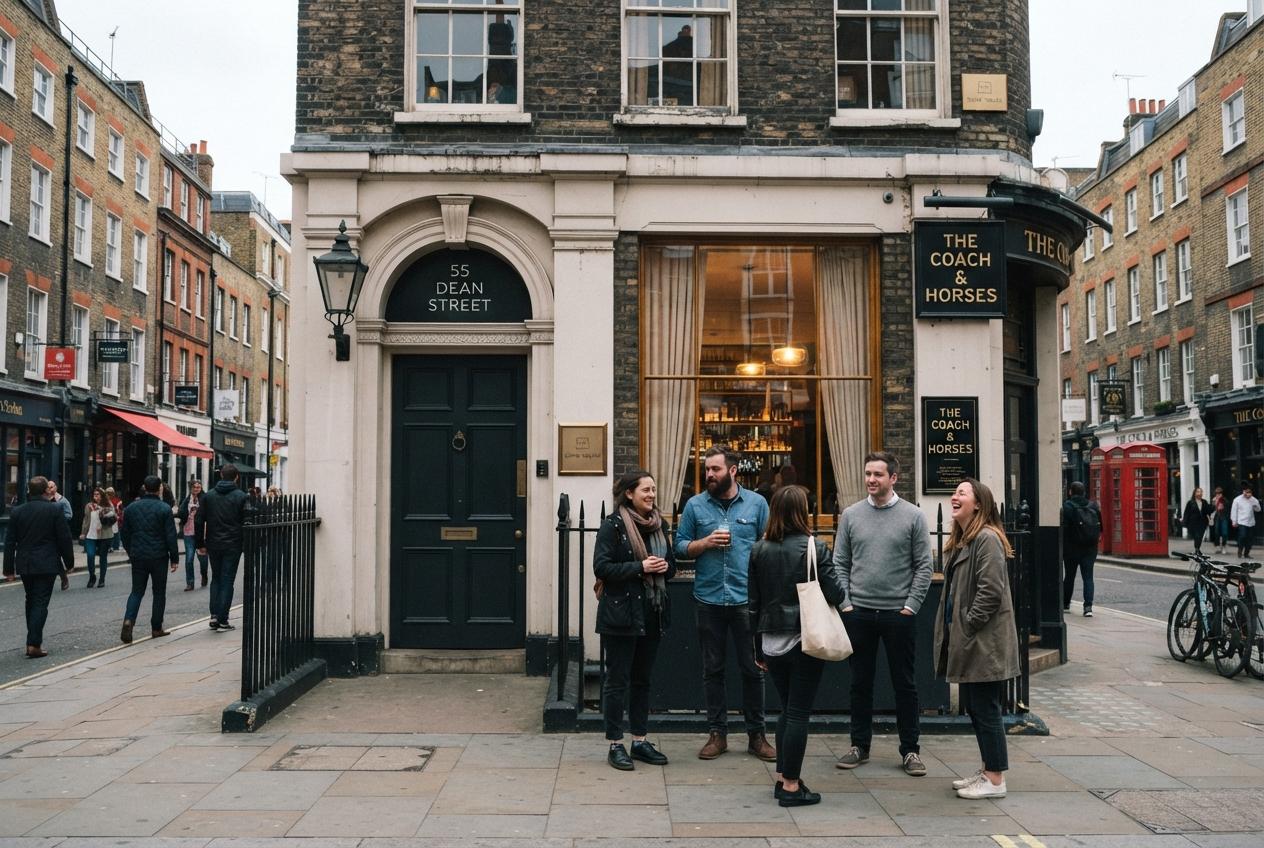
Spotlight Soho: locals, historians and charities are arguing that this compact stretch of streets still matters , culturally, historically and practically , as Queerwell moves its Sunday Sanctuary to 55 Dean Street and the neighbourhood rethinks accessibility, funding and representation.
Essential Takeaways
- Historic roots: Soho hosted early UK queer organising and produced Britain’s first trans+ manifesto, a raw, radical text that still resonates.
- Colourful characters: Figures like the Chevalier d’Eon put Soho on the map centuries ago, adding theatrical flair to its queer past.
- Lost spaces: Venues geared towards queer women, such as Candy Bar and its Precious Brown nights, closed as rents and economics shifted.
- Accessibility gap: Disabled queer activists have campaigned for ramps and doorbells, but progress remains piecemeal and underfunded.
- New lifeline: Queerwell’s fully accessible Sunday Sanctuary at Dean Street offers a much-needed gathering spot and a model for inclusive provision.
Soho’s queer history is older , and brasher , than you think
Walk into Soho and there’s an immediate hum: narrow streets, neon, a slightly sticky pavement rhythm that smells of late nights and takeaways. That buzz isn’t new. According to local histories, queer organising around Soho stretches back decades, with groups forming in the early 1970s to demand visibility and rights. Those early activists produced fierce writing , manifestos that refused polite language , and they left a blueprint for direct action that still informs campaigning today. If you care about where queer culture comes from, Soho is a pocket-sized museum, full of stories that are as sharp as they are surprising.
Chevalier d’Eon: the glamourous, complicated icon of old Soho
Soho’s queer archive isn’t just clubs and pubs , it includes theatrical figures from centuries past. The Chevalier d’Eon, who lived and published in Soho in the 1700s, was both diplomat and performer, and later presented publicly as Charlotte. Her story throws a light on how gender, celebrity and defiance mixed long before modern labels. Her exploits were widely discussed in period journals and left a flavour of spectacle that Soho would keep nurturing. For anyone tracing trans and gender nonconforming histories, she’s a reminder that these lives weren’t hidden; they were visible, contested and sometimes celebrated.
The rise and fall of spaces for queer women , what Candy Bar tells us
Candy Bar’s opening in the late 1990s offered a rare, full-time nightlife home for queer women at a time when such spaces were scarce. Nights like Precious Brown created a soundtrack that mixed house, hip‑hop, Latin and jazz, and they meant more than dancing: they were social infrastructure for Black and femme communities. Yet Candy Bar closed in 2014 amid rising costs, and its former premises now house a very different venue. That shift speaks to a wider trend: as central London rents climb, specially curated queer venues struggle to survive. If you want sapphic nightlife, planning ahead and community funding matter more than ever.
Accessibility isn’t optional , it’s a civil-rights conversation in Soho
A row of steps at a nightclub door might feel like a small issue to some, but for disabled queer people it’s exclusion in plain sight. Activists have staged visits and protests asking venues to install ramps, doorbells and better training. Some staff are more aware now and small changes have appeared, but without coordinated investment from local authorities and landlords, progress hits a ceiling. Queerwell’s decision to open a fully accessible space on Dean Street is a practical response: it gives people a place to meet that doesn’t require contorting plans around physical barriers, and it shows what accessible queer life could look like.
Why grassroots charity spaces matter , and what to watch next
When charities like Queerwell move into Soho, they don’t just add another event to the calendar , they create low‑cost, low‑barrier points of contact for people who need support. A Sunday Sanctuary helps with mental health, but it also functions as community building in a district where public houses and clubs are under pressure. Expect to see more hybrid models: small charities, pop‑up events, and community-funded nights that keep the cultural thread alive without needing a single costly lease. If you care about preserving queer city life, supporting these local initiatives is tidy, practical activism.
It's a small change that can make every visit in Soho feel more open, safer and a little more like home.
Source Reference Map
Story idea inspired by: [1]
Sources by paragraph: