Shoppers are noticing rainbows in windows and workplaces, but Pride is far more than a seasonal celebration; it's a year-round demand for dignity and safety. From local parades to global human-rights fights, here's why Pride still matters, who it protects, and how to show up beyond a single month.
Essential Takeaways
- Pride affirms dignity: Pride signals that 2SLGBTQI+ people have the right to live openly, safely, and authentically every day.
- Legal gains aren’t enough: Rights on paper don’t erase bullying, discrimination, or social rejection in schools, workplaces, or faith communities.
- Global stakes remain high: Dozens of countries still criminalise same-sex intimacy, with some carrying prison sentences or even the death penalty.
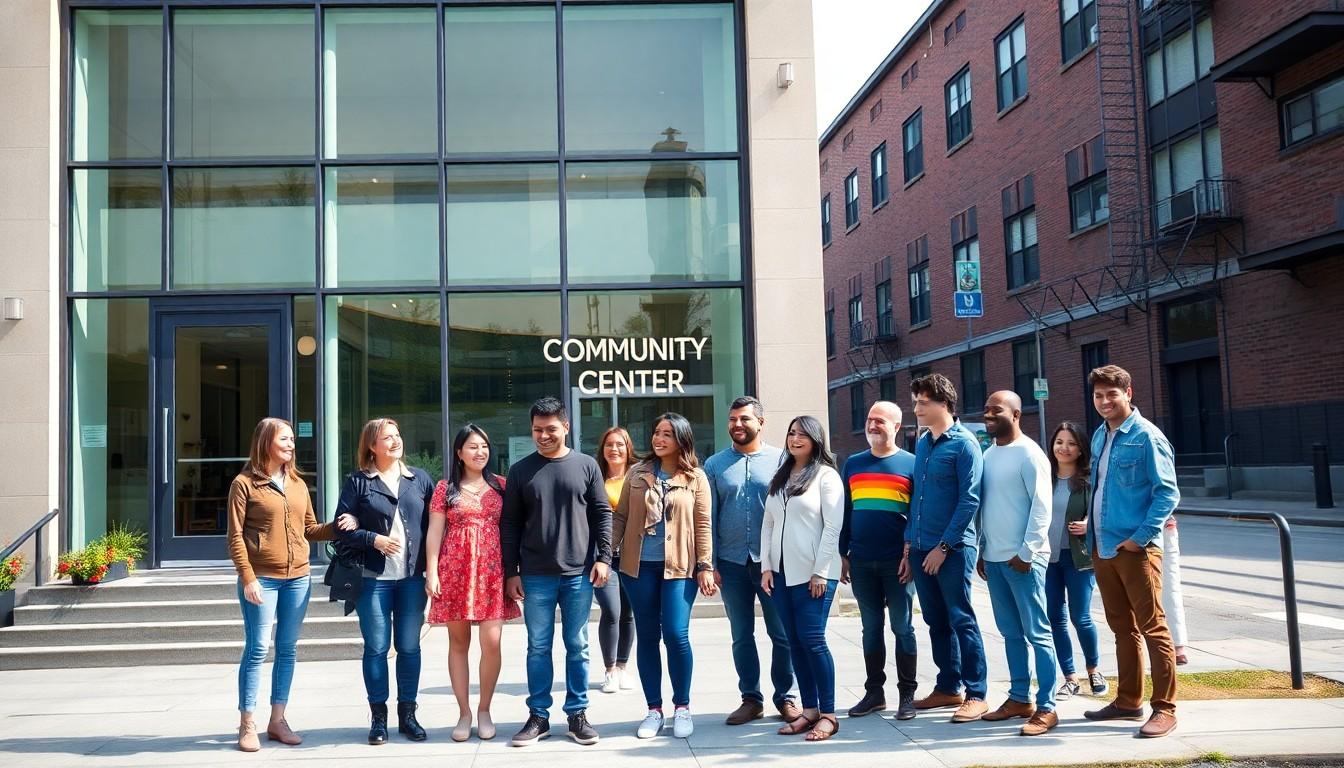
- Year-round visibility helps: Seeing a rainbow at a school, clinic, or community centre can mean safety and belonging for newcomers or frightened youth.
- Solidarity matters: Pride succeeds when allies, parents, teachers, employers, faith leaders, choose compassion and action over silence.
Pride is a public claim to dignity, not just a party
There’s a soft visual power to a flag in a window; it tells someone that this space is safer, that they might be seen. According to human-rights advocates, that visibility is precisely the point , Pride is a declaration that queer and trans lives belong in public life. The movement grew from protest and crisis, so the celebratory parade always sits alongside a history of resistance. Organisations such as the Human Rights Campaign and academic research note how Pride events became lifelines for community and political recognition. If you’re choosing between a rainbow sticker and meaningful action, remember the flag works best when backed by policy and practice , anti-bullying steps at school, inclusive workplace policies, and accessible health services. Long term, visible support chips away at isolation and normalises queer lives for people who might otherwise feel erased.
Legal wins don’t erase everyday harm
It’s tempting to equate marriage equality and anti-discrimination laws with full acceptance, but lived experience tells a different story. Studies and mental-health experts show that queer young people still face bullying, family rejection, and workplace bias even where laws exist. Legal protections reduce institutional barriers, yet social prejudice can persist in subtler but still harmful ways , from microaggressions to outright exclusion. Psychology-focused coverage emphasises that Pride helps counteract those harms by building peer networks and public conversation. Practical tip: if you run a workplace or school, adopt clear, enforced policies and visible supports , a rainbow alone isn’t protection, but policies plus visibility protect real people. Longer term, combining legal safeguards with everyday inclusion reduces the risk that rights will be rolled back when political winds shift.
Around the world, visibility can be life or death
Globally, criminalisation is not an abstract statistic; it fuels arrest, blackmail, and violence. Human-rights reporting shows dozens of jurisdictions where consensual same-sex intimacy remains illegal, and in some places penalties are catastrophic. For people from those countries who arrive here as newcomers or refugees, spotting a community that openly affirms queer identity can be deeply healing. Coverage from international rights organisations reminds us that Pride abroad often equals protest and protection, not just celebration. If you’re supporting asylum-seekers or newly arrived families, offer concrete help , clear information about rights, access to health care, and community connections. That solidarity also means pressing governments to defend human rights in foreign policy and asylum processes.
Pride is intersectional , it must include everyone
Pride isn’t monolithic. Trans, nonbinary, racialised, disabled and refugee communities often face overlapping forms of exclusion that a single parade won’t fix. Scholarly and community analyses argue Pride should centre the most vulnerable voices, not marginalise them. This shift toward intersectional Pride shows up in programming, speaker choices, and safety measures at events. When organisers listen to lived experience, Pride spaces become more accessible and affirming. Practical advice for attendees: check event accessibility, find groups that represent your community, and consider donating to grassroots groups that support those at greatest risk. Solidarity across causes , racial justice, disability rights, immigrant advocacy , strengthens the movement’s resilience.
How allies can move from performative to practical
A rainbow sticker is a start, but employers, faith leaders, teachers and neighbours have to follow through with tangible action. Human-rights NGOs and psychological experts urge allies to translate visibility into everyday protections like inclusive curricula, complaint mechanisms, and lived-experience training. If you want to help, begin small: learn correct pronouns, intervene when you hear a hateful joke, support queer-led charities, and vote for policies that protect marginalised people. Organisations such as the Human Rights Campaign publish guides on concrete workplace and school policies that work. These steps don’t require grand gestures, just steady commitment. Over time, they transform symbolic support into the lived reality Pride stands for. And that steady work is how progress stays permanent rather than fragile.
It's a small change that can make every day feel safer and more human.
Source Reference Map
Story idea inspired by: [1]
Sources by paragraph: