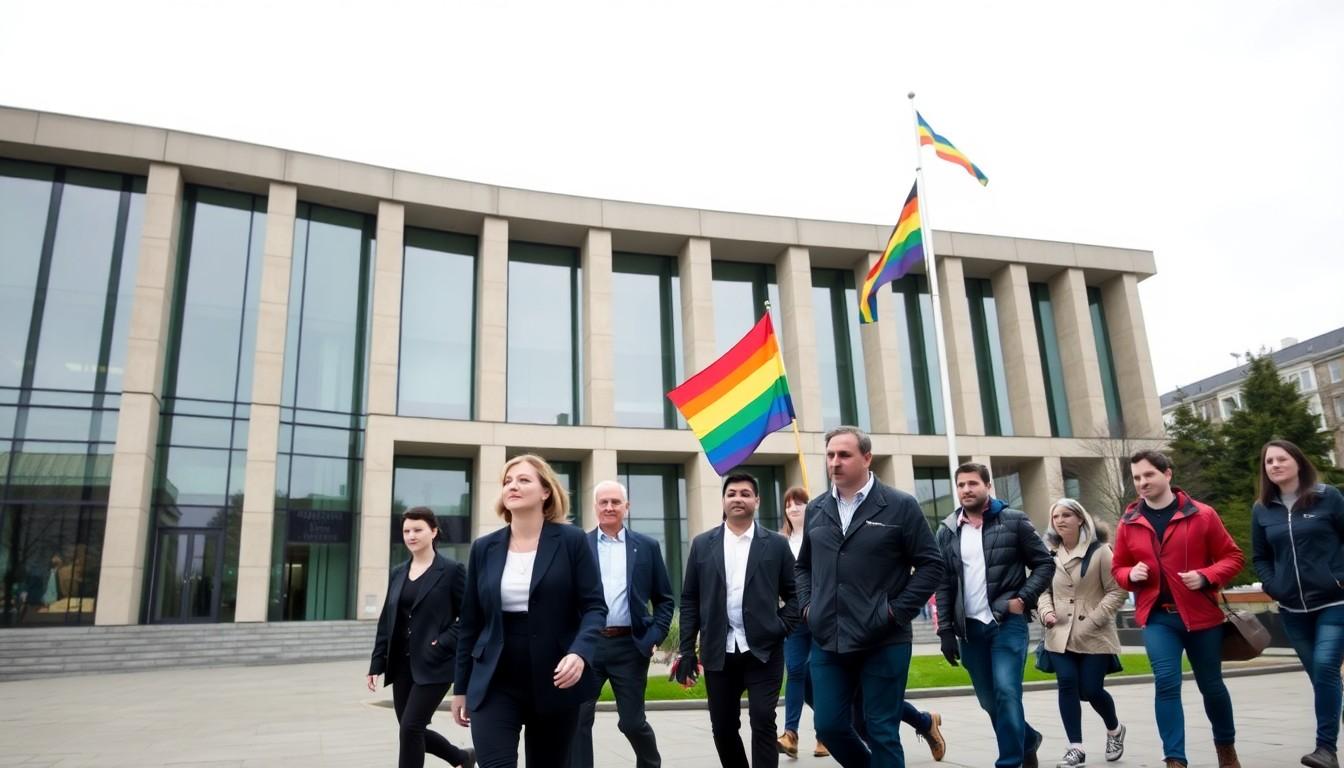
Shoppers of democracy are watching closely as Ferda Ataman calls for a clear mention of sexual and gender identity in Article 3 of the Grundgesetz; the move matters because it would shift symbolic solidarity after violence into binding constitutional protection and could change how courts and institutions respond.
Essential Takeaways
- Who’s pushing: Ferda Ataman, Federal Anti‑Discrimination Commissioner, wants Article 3 amended to explicitly list sexual and gender identity.
- Why now: Recent hostile comments from Union leadership and an attack at the Berlin Christopher Street Day have reignited calls for stronger safeguards.
- Practical effect: Naming sexual identity in the constitution would give queerer people explicit, recognisable protection, not just general anti‑discrimination wording.
- Political hurdle: A constitutional change needs a two‑thirds majority in Bundestag and Bundesrat; Union votes are therefore decisive.
- Atmosphere: Support comes from SPD, Greens, Left and queer organisations; the CDU/CSU remains split, with some regional leaders in favour.
Why Ataman wants the Basic Law to say the word , and why that matters
Ferda Ataman makes a simple constitutional ask: put sexual and gender identity into Article 3 so courts, administrations and citizens see the protection spelled out. According to reports in national outlets, she links the demand to both everyday discrimination cases coming into the federal anti‑discrimination office and the shock of the CSD attack in Berlin. Naming a protected trait in the Grundgesetz isn’t just symbolic here; it’s aimed at closing the gap between political solidarity and legal clarity. For people facing hostility, a specific line in the constitution feels like practical recognition rather than a well‑meaning slogan.
The legal mechanics: how you change the Grundgesetz
Changing Article 3 is straightforward in theory and demanding in practice: it requires a two‑thirds majority in both the Bundestag and Bundesrat. The proposal to add sexual identity to paragraph 3 has already passed a Bundesrat initiative and landed in the Bundestag, where it’s been referred to the legal committee. Yet the Union’s stance is pivotal. Ferda Ataman argues a free vote in the Bundestag could produce the necessary majority, assuming MPs aren’t bound by party discipline. That’s the tactical point politicians are weighing now , national momentum versus coalition arithmetic.
The political split: not all conservatives agree
It’s easy to paint the CDU/CSU as uniformly against the amendment, but the reality is messier. Reports show Unions’ parliamentary leader Thorsten Frei opposed explicitly naming sexual identity, calling it unnecessary and warning of “overburdening” the constitution. Other conservative figures, including Berlin’s mayor, have said they back the change. That split matters: the amendment can’t pass without sizeable Union support, and public disagreements are forcing the CDU to reconcile national messaging with regional voices who remember the historical injustice visited on queer people.
What supporters say , and the historical weight behind the demand
SPD, Greens, Left and numerous queer organisations have been clear that an explicit constitutional mention is overdue. The argument isn’t only legal nicety; it carries historical recognition , queer people were persecuted under National Socialism but are still not explicitly named in the Basic Law. Advocates also stress everyday harms: discrimination reports, barriers in services, and the chilling effect of violence. They frame the amendment as a “minimal” but meaningful correction that would anchor equality in the text most fundamental to German law.
Practical consequences and what to watch for next
If Article 3 is amended, courts would have a firmer textual basis to assess claims, and administrative bodies could be expected to update policies and training. For employers, schools and public services the change would likely trigger rule reviews and clearer guidance on handling hate and exclusion. In the short term, watch for committee hearings in the Bundestag and any push for a free vote. Politically, the debate will continue to test party unity and show whether rhetorical support after incidents can translate into constitutional change.
It’s a small but consequential fight over wording that could make protection clearer for many people across Germany.
Source Reference Map
Story idea inspired by: [1]
Sources by paragraph: