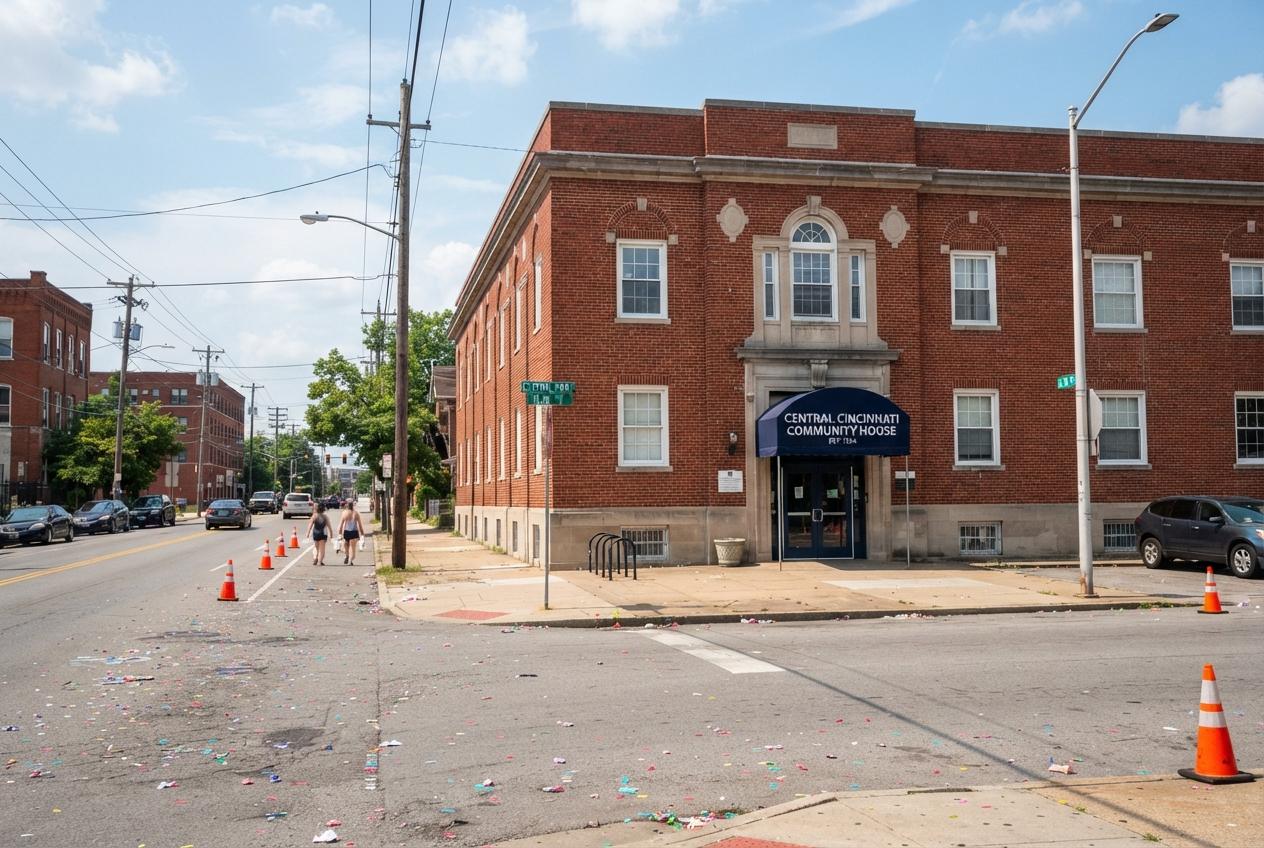
Shoppers, activists and Pride-goers have been talking about one image that won’t go away: a Nazi-themed drag act at Cincinnati Pride that reopened fractures between the city’s Jewish community and LGBTQ+ organisers, highlighting how festival freedom, political protest and community safety collide. Here’s what happened, why it matters, and how other events can learn.
Essential Takeaways
- What happened: A drag performer staged a Nazi-themed character who used SS imagery and Nazi salutes during Cincinnati Pride, prompting shock and complaints.
- Community impact: Jewish Pride participants had only recently resumed visible participation after months of tension and safety concerns, making the act especially painful.
- Organisers’ response: Pride apologised for some signs and later paused the performer, but initially defended artistic and political expression while citing public-safety concerns about a prop firearm.
- Wider fallout: The episode fed broader debates about drag, free expression and sponsorships, and contributed to sponsor withdrawals and reputational strain.
- Practical note: Festival organisers now face fresh pressure to balance creative performance, historical sensitivity and clear codes of conduct.
The moment that changed the parade , vivid and jarring
Video clips from the parade showed a performer in a stars-and-stripes-but-Nazi hybrid outfit doing repeated Nazi salutes and staging a violent tableau with a prop gun. The imagery landed like a punch because it referenced real, brutal history, and it played out before families and community members who had only recently felt safe returning with visible Jewish symbols. Reporters described stunned crowds, applause and, later, outraged responses from Jewish participants who felt personally attacked rather than critiqued. Organisers initially framed the incident as political theatre, which only deepened hurt.
How two years of fragile trust unraveled in minutes
Cincinnati’s Jewish groups had been cautious about Pride after a wave of antisemitic incidents in the city and a high-profile campaign that pushed Jewish board members out of the Pride organisation. For 2024, the Mayerson JCC’s return with rabbis and families wearing kippot felt like progress. Then the performance hit , a flashpoint that many saw as an inversion of the Holocaust and as direct exclusion of “Zionists” from Pride. That context explains why the reactions were so raw: this was not an abstract debate about art, it was a lived breach of newly fragile trust.
Organisers, free speech and a surprising line in the sand
Pride defenders argued that political drag is part of the movement’s DNA, and that satire and shock can be tools for critique. Pride’s board said they hadn’t known about the act ahead of the parade, though the performer had appeared months earlier at a Pride event in a related role. The board later suspended the performer not over the salutes or rhetoric, but because of concerns about a gold prop pistol and family-friendly safety , a decision that many critics read as a moral failure. The tension between protecting artistic freedom and preventing targeted harm will be a headache for festival programming teams everywhere.
Sponsorships, public image and the cost of controversy
When a headline-grabbing act draws sustained criticism, sponsors and partners pay attention. In recent months, several Pride events nationally have faced withdrawals or pressure from corporate backers after contentious performances or politics made headlines. That dynamic played out in Cincinnati too: the fallout strained relationships with supporters who want events that are both inclusive and reputationally safe. For organisers, the lesson is practical , controversies can be costly, and clear policies on advocacy, symbols and harassment help protect both attendees and backers.
What other organisers can do next , simple, human-centred steps
Festivals should tighten codes of conduct that distinguish political critique from targeted vilification, make past performance clips part of vetting, and ensure quick, transparent responses when lines are crossed. For communities re-engaging after trauma, event teams ought to prioritise safety signals , clear visibility for vulnerable groups, rapid reporting channels, and independent review panels when incidents arise. Small gestures, like pre-event dialogues with affected communities, can avert big harms.
It's a small change that can make every celebration safer and more genuinely inclusive.
Source Reference Map
Story idea inspired by: [1]
Sources by paragraph: