Shoppers of change are taking note: a leading Danish specialist has been honoured for transforming how hospitals treat trans people, and it matters because lived-centred care changes outcomes and dignity at the bedside. Here’s what happened, why it’s important, and what it means for trans patients and the health system.
Essential Takeaways
- Awarded for leadership: Specialist doctor Astrid Højgaard received LGBT+ Denmark’s Årets Laks prize for shifting clinical practice around trans care.
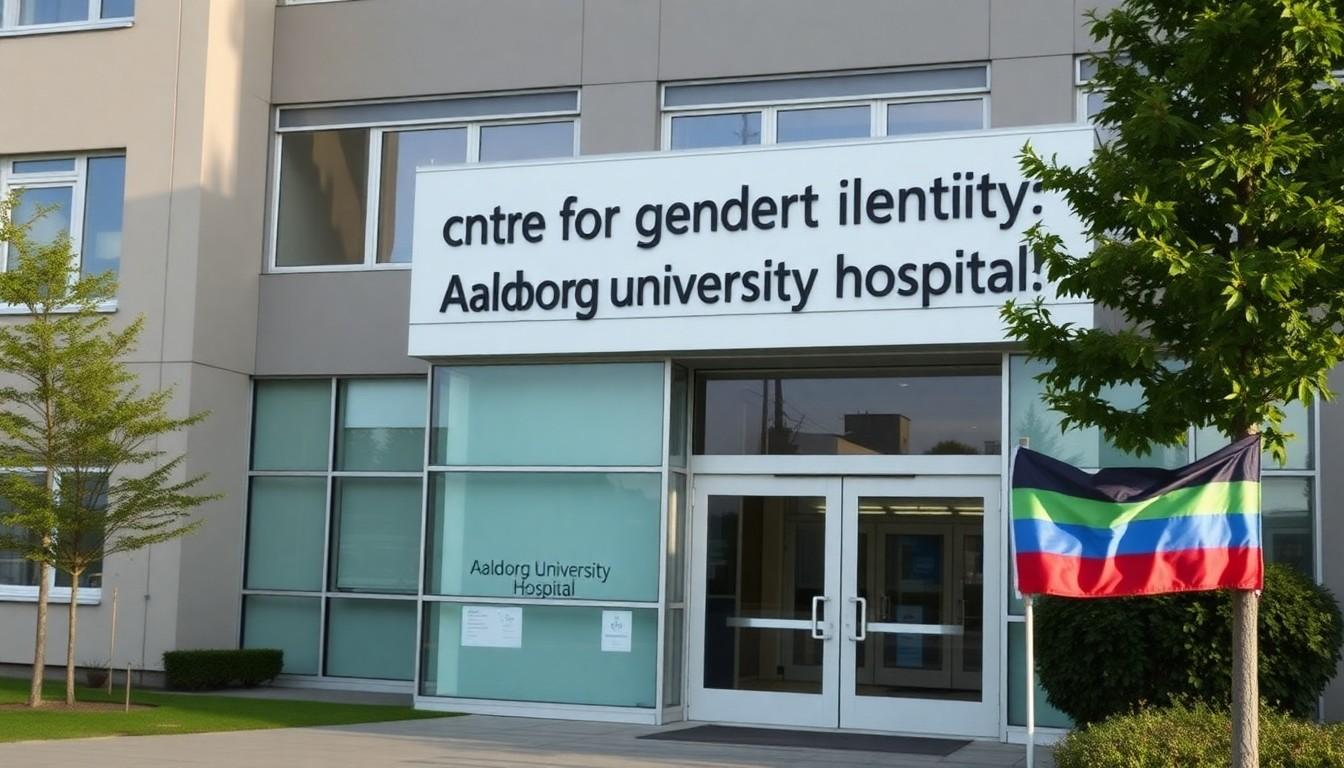
- Institutional change: Højgaard helped set up the Center for Gender Identity at Aalborg University Hospital, creating a dedicated, multidisciplinary service.
- Practical impact: The prize highlights work done inside existing legal frameworks, using respect and empathy to reform routines and patient pathways.
- Community recognition: LGBT+ Denmark also awarded a 10,000 kr. grant to the podcast "Ufortalt" for advancing LGBT+ storytelling and visibility.
Why this prize matters: recognition of care that centres people
The headline fact is simple and striking: a clinician has been publicly celebrated for rethinking how health services treat trans people, and that’s not just symbolic. According to LGBT+ Denmark, Astrid Højgaard has pushed a paradigmatic change in attitudes and practice that makes clinics feel less clinical and more humane. The sensory detail here is quiet but clear, patients report being met with respect where they once faced protocol and paperwork first.
This kind of recognition matters because it signals to other hospitals that improvement can start from within. LGBT+ Denmark’s award citation emphasises empathy and respect as levers of change, not just new laws, which will resonate with clinicians who want to make immediate differences in patients’ lives.
The Centre for Gender Identity: what a dedicated service can do
The Center for Gender Identity at Aalborg University Hospital is central to this story. It’s a multidisciplinary hub where specialists, nurses and allied professionals collaborate on assessment, treatment and follow-up. That team approach creates a calmer, more coherent experience for trans patients, less running between departments, more continuity of care.
A centre like this also acts as a model: it concentrates expertise, streamlines referrals and can drive local training so that primary care and emergency services learn to respond appropriately. If you’re choosing where to seek care, look for services that advertise multidisciplinary teams and clear pathways, those features often mean fewer delays and less distress.
Changing the system from the inside: practical lessons for clinicians
One point the award committee made is that you don’t always need new legislation to make progress. Højgaard’s work demonstrates what’s possible by reshaping routines, guidance and clinic culture. Small operational changes, consistent intake questions, clearer referral criteria, or a single point of contact, can transform a patient’s whole journey.
For clinicians wondering where to start, prioritise training in respectful language, set up clear protocols for referrals, and create a named contact person for trans patients. Those practical moves reduce confusion and signal safety, and they’re often doable within existing budgets.
Visibility matters: community awards and storytelling
LGBT+ Denmark gave Årets Laks during Copenhagen Pride, underlining that clinical change and community visibility go hand in hand. The organisation also awarded the Søhesten grant to the podcast "Ufortalt", praising its storytelling and deep listening across LGBT+ communities. That mix of institutional and cultural recognition shows how policy, practice and narrative feed each other.
Podcasts and community media aren’t just nice extras; they shape expectations and educate both the public and professionals. When stories are told well, they nudge workplaces toward better standards and remind decision-makers what’s at stake for real people.
What patients and allies should look for now
If you’re a trans person seeking care, an ally, or a clinician, take a practical stance. Ask whether a service has a dedicated gender identity pathway, what multidisciplinary resources are available, and who your single point of contact will be. Notice whether staff use chosen names and pronouns, those small courtesies are early signals of a respectful service.
For health providers, the takeaway is straightforward: system change can begin with empathy and structure. Start small, measure patient experience, and share improvements. Awards like Årets Laks show the wider field is watching and ready to follow good practice.
It's a small change that can make every consultation feel safer and more human.
Source Reference Map
Story idea inspired by: [1]
Sources by paragraph: