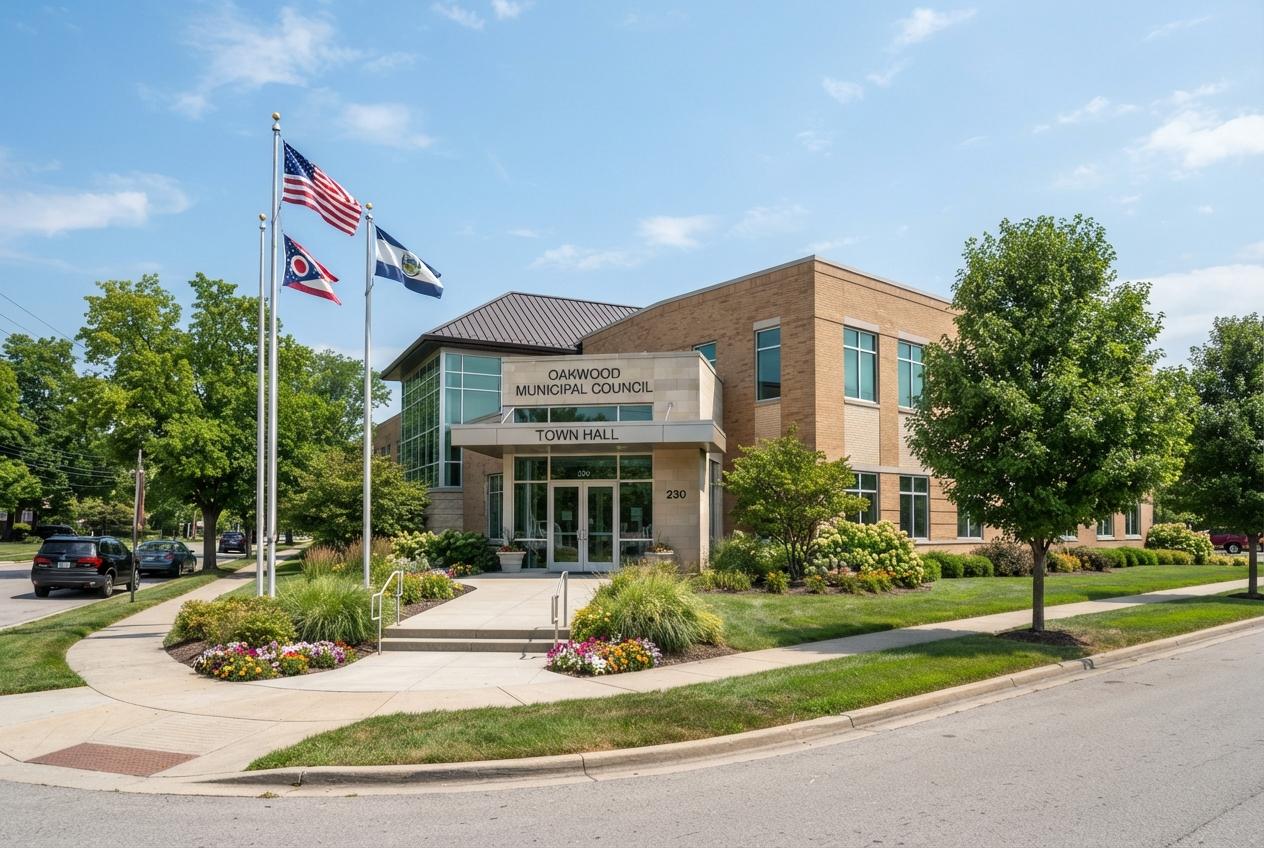
Shoppers, neighbours and local officials are watching how a small Ohio town’s reaction to Pride could reshape who feels safe to celebrate next year, as calls from a council member for residents to “monitor” Lebanon Pride spark debate about policing, protest and protection.
Essential Takeaways
- Council action: A Lebanon, Ohio, city councillor publicly urged residents to watch Pride for alleged “indecency”, a move that organisers say could intimidate attendees.
- No specific charge cited: Existing indecency laws already cover lewd public acts, and no verified example from the festival has been presented.
- Organisers’ response: Lebanon Pride organisers say they’ve worked with the city on family-friendly measures and that targeted monitoring risks making people feel unsafe.
- Legislative backdrop: The councillor backed HB 249-style restrictions that would reclassify drag performances as adult cabarets, a law opposed by civil liberties and LGBTQ+ groups.
- Practical effect: Encouraging residents to vigilantly report behaviour at events can blur the line between lawful protest and active policing, with consequences for community trust.
A local comment can ripple far beyond Town Hall
Lebanon Pride organisers were left rattled after a city councillor posted on social media suggesting residents keep an eye on the festival for any possible indecent behaviour. The image many recall is familiar: a councillor filming a drag set at the festival’s edge, the scene lit and colourful, while his post invited scrutiny. For people at Pride, that visual can feel less like civic oversight and more like surveillance, and the organisers warn it could deter attendance next year.
This isn’t just about an awkward Facebook post. According to the local reporting, the councillor pointed to broader legislative fights over drag and public performances, and urged support for measures that would push certain acts into adult-only venues. That political signal matters because it ties a small-town spat to statewide efforts to reclassify performances.
What the law already says , and what’s being proposed
Ohio’s indecency statutes already cover lewd and obscene performances in public spaces, so the absence of a specific allegation matters. The councillor did not cite a concrete incident at the festival that rose to the level of a prosecutable offence, which leaves a lot of room for interpretation and anxiety.
Meanwhile, proposals like HB 249 would change the landscape by formally restricting drag to venues labelled as adult cabarets. Civil liberties advocates and LGBTQ+ groups have argued these measures amount to targeted restrictions on expressive performance and could chill lawful, family-friendly Pride activities. So when a local official leans into that rhetoric, it’s part of a much bigger policy tug-of-war.
How organisers work to balance celebration and community standards
Lebanon Pride’s leadership says they’ve deliberately adapted the festival to fit the town: programming choices, performer guidelines, and even clarifications about tipping to make the event comfortable for families. They emphasise dialogue with the city and a willingness to host dissent in a designated space.
At the same time, safety leads warn that urging neighbours to monitor the event isn’t the same as peaceful protest. It can empower people who want to intimidate, and that changes the tenor of a festival designed to be welcoming. For anyone organising or attending local Pride, clear safety plans and visible moderation help , but they don’t erase the chill a suggestion of community surveillance can create.
Why policing by the public changes the dynamic
Asking residents to act like monitors turns a civic community into an ad hoc enforcement force. That can be both a practical and psychological problem: practically, one or two volunteers can’t reliably judge complex legal thresholds; psychologically, attendees may feel watched rather than welcomed. Organisers say that’s the real harm , not a debate over taste, but an erosion of trust.
If your town faces something similar, simple steps help: encourage dialogue with event organisers, check local ordinances before making complaints, and use established reporting channels rather than public calls for monitoring. Those steps keep genuine concerns legitimate without turning festivals into fraught contests of neighbour against neighbour.
What this means going forward for small-town Prides
This episode is a reminder that local politics can have outsized influence on community events. A single councillor’s statement can feed into state-level legislative debates and shift how safe people feel coming out to celebrate. Organisers in towns like Lebanon are left balancing compromise with protection, and attendees must weigh whether a festival still feels like their space.
So expect more conversations: about clear safety protocols, about what constitutes lawful expression, and about how communities show up for one another. If festival planners and city leaders keep talking, there’s a chance to mend trust. If not, a small council post could keep people away next summer.
It's a small change in tone that can make every celebration feel different.
Source Reference Map
Story idea inspired by: [1]
Sources by paragraph: