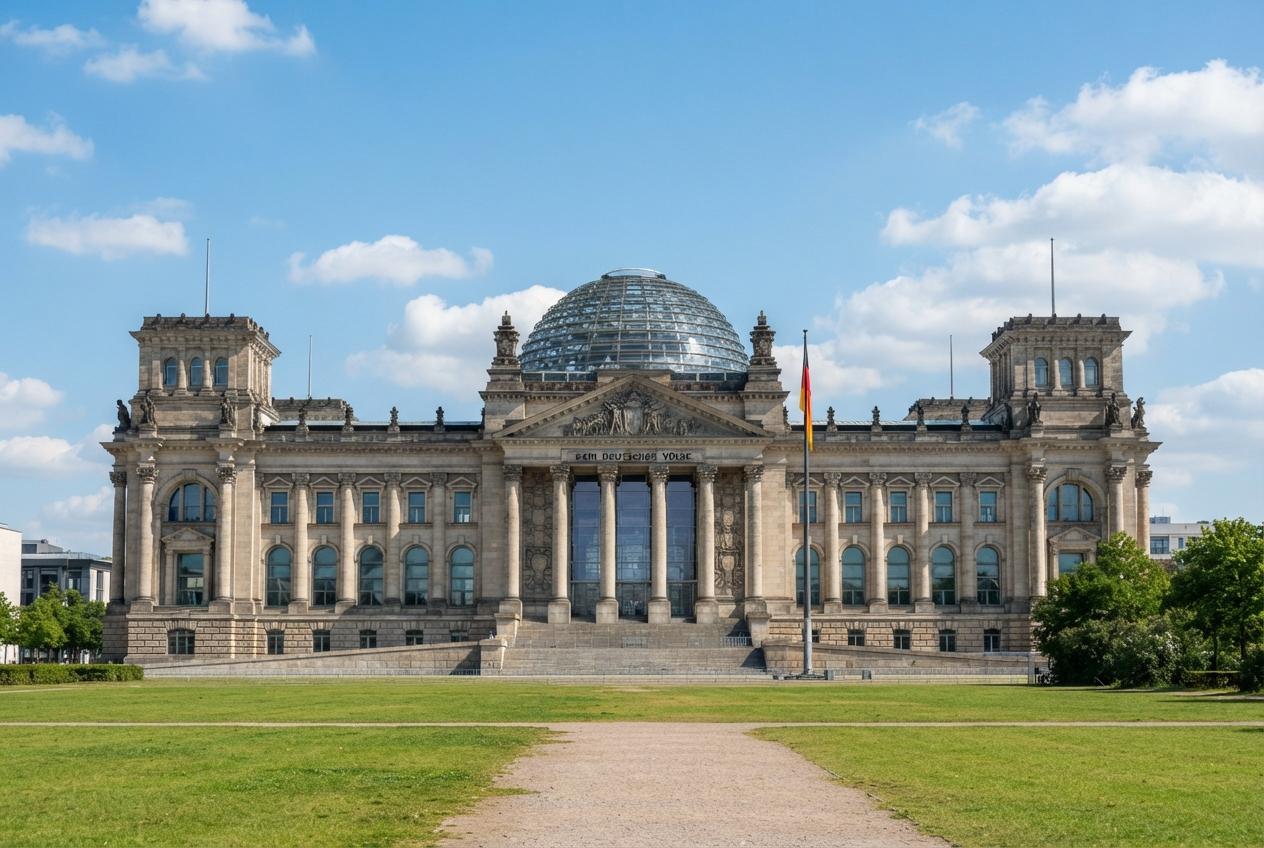
Watchdogs and advocates are pushing for a Bundestag vote to add sexual and gender identity to Germany’s Basic Law, saying queer people need clear, constitutional protection after repeated violence and daily discrimination. The move matters across parties, cities and communities , and could change how Germany legally and culturally recognises queer lives.
Essential Takeaways
- What’s being asked: A formal Bundestag vote on adding “sexual identity” to Article 3 of the Grundgesetz, making queer people explicitly protected.
- Why now: Renewed public debate followed a deadly attack near Berlin’s Christopher Street Day and persistent discrimination reported to the federal anti‑discrimination office.
- Political fault lines: The SPD and Bundesrat back the change; leading CDU figures, including Thorsten Frei, oppose it as unnecessary or symbolic.
- Practical effects: A constitutional amendment would require a two‑thirds majority in both Bundestag and Bundesrat and would strengthen legal arguments against discrimination.
- Public mood: Advocates say a vote without party whips could reveal broad cross‑party sympathy; critics warn of “overfilling” the constitution.
Why campaigners want “sexual identity” in the Grundgesetz now
Ferda Ataman, the federal anti‑discrimination commissioner, has called for a Bundestag vote that would explicitly enshrine protection for sexual and gender identity in Article 3 of the constitution. The request is driven by both traumatic events , notably the attack at a Christopher Street Day march on the outskirts of Berlin , and the steady stream of discrimination complaints her office receives. You can almost feel the urgency; people are asking for more than words.
Ataman argues that a constitutional mention is more than symbolism: it signals state recognition and underpins future legislation and court decisions. For campaigners, that formal recognition matters emotionally and legally , it says the state sees you, and it gives judges a firmer footing when protecting rights.
What a change would look like in practice
Article 3 currently lists protected characteristics such as sex, origin and religion. Adding “sexual identity” would be a direct amendment to that clause. Legally, this would strengthen anti‑discrimination claims in employment, housing and public services and could alter how courts interpret equality provisions.
But constitutional amendments are high bar: they need two‑thirds majorities in both chambers. That makes parliamentary arithmetic crucial. Support from the Bundesrat, which passed a Berlin‑led initiative last year, helps the push, but Bundestag votes and party discipline will decide the outcome.
The political tug of war , symbolic gesture or constitutional overload?
Not everyone backs the amendment. Thorsten Frei, the CDU’s new group leader, has said he understands the wish for recognition but sees no need to alter the Grundgesetz, arguing the constitution could become “overloaded.” He also criticised using the Reichstag for political displays like flying the rainbow flag , a reminder that symbolism and state protocol are combustible political issues.
Meanwhile, the SPD and several state governments have revived the demand, framing the change as a straightforward act of justice. If the Bundestag were to hold a free vote, advocates reckon a two‑thirds majority is achievable. That claim reflects a shift in public attitudes, even as conservative voices caution against constitutional tinkering.
Beyond words: implementing an action plan for queer life
Ataman has also urged the government to implement the existing Action Plan for Queer Life rather than shelve it. A constitutional change would be a headline grabber, but activists want concrete measures too: funding for hate‑crime prevention, inclusive education, trans healthcare access and robust enforcement mechanisms.
So the debate has two tracks , a symbolic constitutional recognition and the nitty‑gritty of policy delivery. Both matter. A constitutional change without follow‑through would satisfy headlines but not daily lived realities.
What voters and advocates should watch next
Keep an eye on whether the Bundestag schedules a vote and whether party whips are relaxed. A free vote could expose surprising majorities and change the political calculus. Also watch state governments and the Bundesrat for pressure campaigns and any compromise language that might emerge.
For queer people and allies, the choice is practical and personal: constitutional recognition can change courtrooms and cabinets, and it can change how people feel on the street. That quiet shift in feeling , a sense of being seen by the state , is often the most lasting.
It's a small change that can make daily life noticeably safer and fairer.
Source Reference Map
Story idea inspired by: [1]
Sources by paragraph: