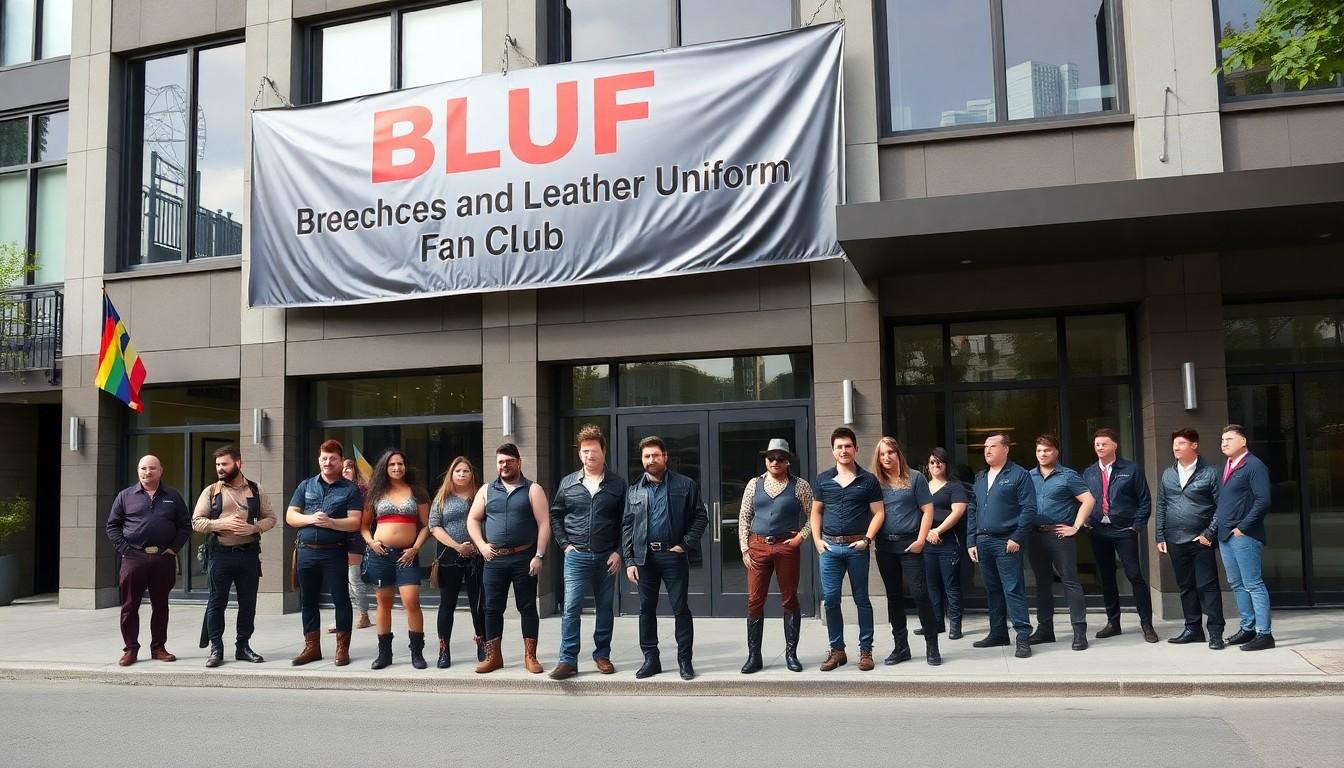
Shoppers and culture-curious readers are returning to leather aesthetics and BLUF uniforms, as collectors, clubs and artists revive disciplined dressing and Tom of Finland’s hyper‑real vision; here’s who’s behind it, what the codes mean, and how to enjoy the art and gear responsibly.
Essential Takeaways
- Origins explained: Leather uniform culture grew from post‑war motorcycle clubs and gay soldier bonds into coded bar and club language.
- BLUF basics: Founded as a strict uniform club, BLUF insists on breeches, tall boots, belts and caps , no casual shortcuts.
- Artistic lineage: Tom of Finland’s drawings helped canonise the muscular, uniformed leather aesthetic that now fuels galleries and merch.
- Collecting tips: Buy from specialist galleries or curator stores for authentic prints, and check sizing and finish on wearable items.
- Community care: BLUF bans hate symbols and expects respectful conduct , it’s about discipline, pride and belonging.
Why BLUF feels more than a costume
BLUF’s visual impact hits you first , polished boots, taut breeches, precise belts , and it’s deliberately authoritative rather than playful. According to BLUF’s own history, the club was set up to preserve a particular interpretation of the leather uniform, one that treats dress as a discipline. That creates instant cohesion at events and photography, and it’s why members emphasise fit and finish over trendiness. If you’re drawn to the look, start with a single well‑fitted piece , a quality cap or belt changes the silhouette without asking for a full investment.
From wartime bonds to biker sanctuaries
The story of leather in queer culture is rooted in wartime camaraderie and post‑war motorcycle culture, which gave men the cover to form close bonds and coded communities. Biker bars and early venues like San Francisco’s Tool Box became meeting places where clothing was protective and symbolic. Tom of Finland later amplified the imagery into something mythic , tough, sexy, visible. Museums and retrospectives show how that visual language moved from hidden signals into mainstream artworld recognition, so the uniform you see today carries decades of reclaimed meaning.
Leon, BLUF and the rules that shaped a scene
BLUF began as an online and offline effort to formalise standard uniform , no jeans, no slogans, full leather preferred , born of a desire for consistency and seriousness. Founders and subsequent organisers kept the club focused on uniform authenticity, and membership rules, photo submissions and strict dress codes followed. That gatekeeping has two faces: it maintains a shared aesthetic and protects community integrity, but it can feel exclusive. If you want in, BLUF recommends gradual commitment , learn the codes, ask questions, and work toward full uniform rather than leap in poorly prepared.
Tom of Finland’s art: the engine behind a look
Tom of Finland’s hyper‑masculine drawings normalised and eroticised the leather uniform, turning working garments into icons. His art emphasised texture , the shine of polish, the grain of leather, the snugness of breeches , and galleries still reference his influence when curating leather collections. Collectors should look for print provenance and artist statements; online curated stores selling prints and merchandise do a lot of the heavy lifting, but provenance matters if you’re buying limited editions. And if you love the aesthetic, enjoy it visually as much as you do physically , prints and wallpapers are low‑commitment ways to bring the look home.
Where to buy art and wearable pieces responsibly
If you want prints, check curated galleries that work closely with the artists; for example, fine art platforms host exclusive collections. For wearable items and fun collectibles, bespoke shops on print‑on‑demand platforms offer playful options. Measure carefully for wearable leather, ask about lining and hardware, and expect a break‑in period for boots. Also remember the ethical side: many creators behind contemporary gay leather art are small teams or disabled artists and buying direct supports them. Treat purchases as both style choices and community investments.
What BLUF and leather culture look like today
Today’s scene is layered , you’ll see glittered Pride looks beside regimented BLUF uniforms, circuit neon next to classical leather cuts. BLUF events happen worldwide, from Berlin breakfasts to New York socials, and the club’s dress discipline remains a living tradition rather than a museum piece. The culture’s persistence shows how clothing can be a social language: uniforms perform pride and resilience while connecting members to a longer history. If you attend an event, observe the codes, be respectful, and remember that the look isn’t only about attraction , it’s about solidarity.
It's a small change that can make every look and every collectable carry more meaning.
Source Reference Map
Story idea inspired by: [1]
Sources by paragraph: