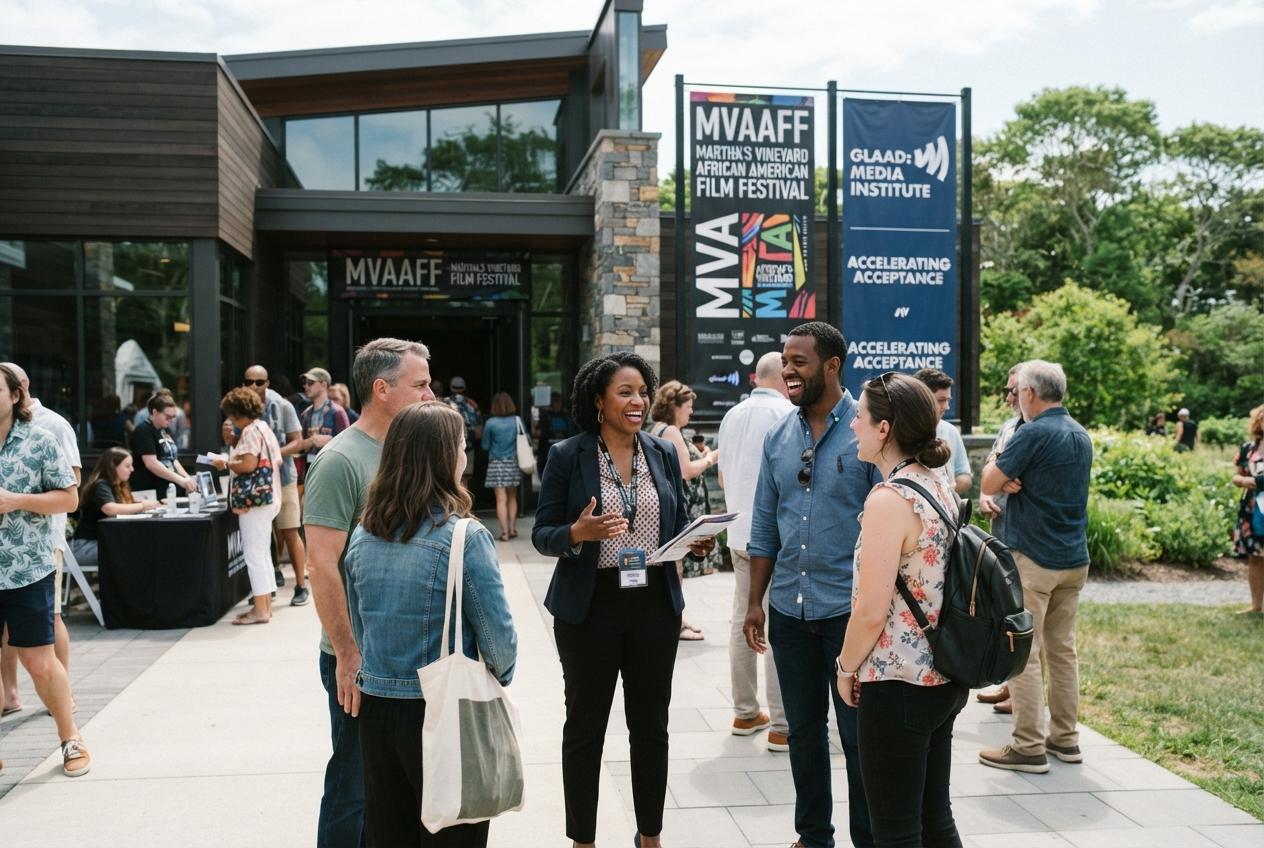
Shoppers are gravitating towards stories that show whole lives , not stereotypes. At the Martha’s Vineyard African American Film Festival, GLAAD convened Laverne Cox, Nneka Onuorah and others to unpack a troubling drop in screen time for Black queer and trans people, and why richer representation matters for health, healing and everyday joy.
Essential Takeaways
- Declining visibility: GLAAD data shows a multi‑year drop in LGBTQ+ representation in major studio releases, with characters of colour seeing a steep fall.
- Trans absence: Major studio releases reported zero transgender characters in the latest slate, a glaring visibility gap.
- Health stakes: ViiV Healthcare and CDC figures underline real consequences , Black communities are disproportionately affected by new HIV diagnoses.
- More than trauma: Creators at the panel argued audiences need a wider variety of stories, including joy, family repair and everyday love.
- Art as healing: Personal testimony at MVAAFF noted how film and TV can help process long‑buried grief and normalise care conversations.
GLAAD’s report: the numbers hit like a cold splash
GLAAD’s Where We Are on Film study laid out a stark trend: representation in top distributor releases has slipped for a third straight year, and characters of colour in LGBTQ+ roles have shrunk dramatically. That drop isn’t just a media metric; it’s a cultural weather report , you can feel the chill when familiar mirrors disappear. According to the report, the absence is most acute for trans characters, who were effectively erased from major studio line‑ups this cycle. For anyone choosing what to stream, this matters because fewer faces on screen means fewer everyday reference points for viewers seeking identity, safety or community.
Why the gap matters beyond entertainment
Speakers at the Martha’s Vineyard panel tied screen time directly to public health and social understanding. ViiV Healthcare and public health data point to disproportionate HIV diagnoses in Black communities, particularly among women, and advocates warned that erasure leaves room for misinformation and stigma to spread. When dramas and comedies omit whole swathes of experience, real conversations about prevention, treatment and support have to fight for airtime elsewhere. So filmmakers and commissioners should see this as civic work as much as art.
Creators push for nuance: joy, ordinary life and repair
Laverne Cox and Nneka Onuorah pushed back against the notion that only “positive” portrayals count. Cox argued for more stories in general , variety widens the pathways for viewers to recognise themselves , while Onuorah described filmmaking that centres shared humanity rather than checklist identities. Both championed narratives that show love, celebration and reconciliation alongside trauma. If you’re an audience member choosing what to watch, favour projects that depict complicated family dynamics and everyday pleasures; those are often the freshest, most human portrayals.
Healing through story: when art lets people grieve
A powerful thread at the festival was testimony about art’s capacity to unlock emotion and healing. Panelists recalled how shows like Pose gave older viewers space to process unresolved grief from the AIDS crisis, moments that felt private suddenly became communal and cathartic. That emotional release isn’t incidental , it’s a reminder that representation can open conversations in families and clinics, easing stigma and encouraging care. For advocates and funders, this is a call to support projects that are trauma‑informed and restorative.
Practical steps: what communities, creators and viewers can do now
If you care about better representation, there are concrete moves that help. Producers can commission writers from the communities they portray and include trans and queer creatives in production leadership. Festivals and funders can prioritise works that centre Black LGBTQ+ stories. Viewers can vote with attention and subscriptions: seek out indie titles, support festivals like MVAAFF and amplify creators on social. Small choices add up , more eyeballs on nuanced projects means more doors open for future storytelling.
It's a small change that can make every story safer, truer and more sustaining.
Source Reference Map
Story idea inspired by: [1]
Sources by paragraph: