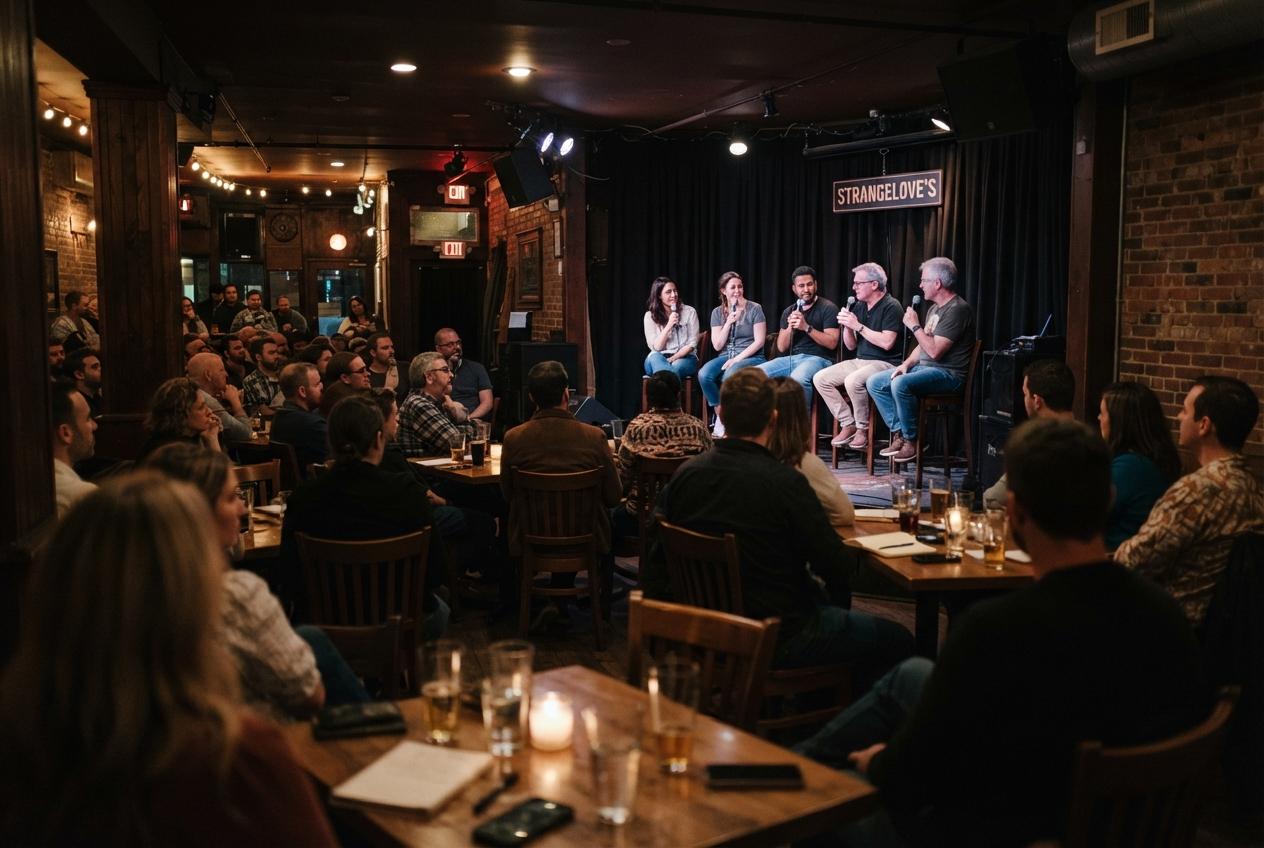
Shoppers are turning to live queer storytelling: Queer to Tell, a New York‑born movement, brings “queer stories told by queer people” to Strangelove’s in Philadelphia on Aug. 20, a warm, interactive night exploring what home means for LGBTQ+ communities and why those stories matter.
Essential Takeaways
- Event basics: Queer to Tell headlines Strangelove’s on Aug. 20, doors at 8pm, show from 8.30pm; most sets run about 90 minutes.
- Theme: “There’s No Place Like Home” frames five storytellers’ pieces, mixing whimsy and real feeling, think rainbow nostalgia with honest nuance.
- Experience: Expect theatre‑adjacent performance, audience interaction, and a testing ground vibe for first drafts, intimate, conversational, affirming.
- Venue vibe: Strangelove’s offers a cosy LGBTQ+ bar atmosphere, bar service, close seating and a community feel that makes “home” literal and metaphorical.
- Accessibility tip: Tickets are via Eventbrite; arrive early to mingle, claim a good spot and chat with performers afterwards.
Why “There’s No Place Like Home” feels timely and tender
The theme leans into familiar iconography with a wink , the rainbow, the whimsy , while asking something more complicated: what counts as home when your life has been lived between doors, streets and chosen family? Nick Eibler, creator of Queer to Tell, says that home can be a physical place, a person’s arms, a bar back room, or even a pet. That openness makes the night feel both nostalgic and raw, and it’s easy to imagine the room filling with laughter that turns into hush as a story lands.
Queer to Tell isn’t just nostalgia; it’s intentional curation. Eibler selects storytellers who can set character, conflict and change in tight, human scenes. The result reads like theatre, but it’s closer to a conversation you overhear and wish you’d caught live. If you’ve ever felt at home in the hum of a queer bar or healed in the company of a found family, this is programmed for you.
What the show actually looks and feels like
Think small stage, good lighting, bar service and a room leaning in. Performances are performance‑based storytelling , theatrical beats, yes, but not a polished play. Eibler encourages interaction: storytellers are invited to test new work and respond to audience energy, which keeps the night immediate and slightly unpredictable. You’ll leave feeling like you witnessed something tender and unfinished, which is part of the charm.
Practical note: arrive early to grab a seat near the front if you want that electric live‑story intimacy. If you prefer to watch from the back and chat at the bar, that works too , Strangelove’s has the cosy, social vibe many queer spaces cherish.
How this fits into wider queer culture and community building
Live storytelling has become a powerful tool for queer visibility and solidarity, bridging stand‑up’s bravado and theatre’s structure. According to the movement’s ethos, these nights are as much about community as craft: sharing stories, testing drafts, and building networks. Queer to Tell’s model mirrors a larger trend of DIY queer arts nights and workshops that double as mutual support spaces.
If you’re a performer, this format is a safe rehearsal ground; if you’re an audience member, it’s a low‑stakes way to be seen and to see. Events like this complement other local queer happenings , from dance nights to pop‑up performance clubs , knitting together a calendar where creativity and care meet.
Tips for getting the most from the evening
Buy tickets in advance on the event page to avoid disappointment and to help planners gauge capacity. Bring cash or card for drinks and tips , storytellers appreciate quick feedback and after‑show chat. If you’re testing material as a performer, treat the room like a lab: be open to audience reactions, listen to what lands, and enjoy the “proud parent” energy Eibler describes.
Also, consider going with friends from different parts of your life; these shows are great conversation starters, and you’ll probably leave with new recommendations for books, bars or other queer nights.
What’s next for Queer to Tell , growth and workshops
Eibler has their sights on expanding beyond pop‑up nights, imagining workshops and shows that cultivate new writers and performers. That would follow a familiar arc in live storytelling circles: nights become mentorships, which become festivals and community institutions. It’s a hopeful path , more chances for queer voices to sharpen their craft and for audiences to keep discovering themselves in other people’s lines.
And if the idea of a queer storytelling scene growing in Philly feels comforting, that’s the point: these are the small builds that make a city feel more like home.
It's a small change that can make every shared story feel safer and more resonant.
Source Reference Map
Story idea inspired by: [1]
Sources by paragraph: