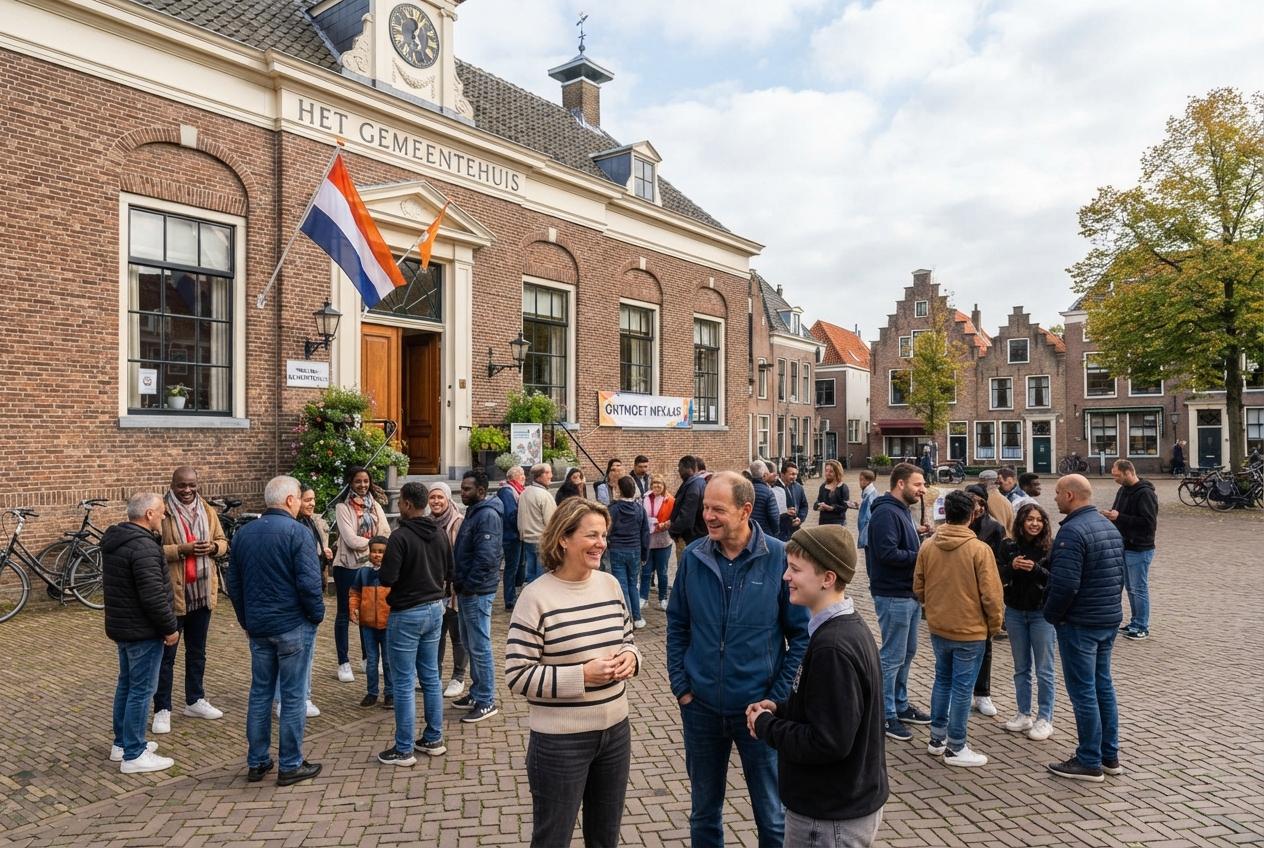
Shoppers and visitors noticed a change: organisers in Hoorn moved the Pride Walk off the busy summer fair to an October Regenboogweek. Locals say the shift matters because safety, visibility and youth participation were at stake , and it reveals how small-town tensions shape public celebrations.
Essential Takeaways
- Route change: Hoorn’s Pride Walk was moved from the kermis in summer to Regenboogweek in October to reduce confrontations and boost safety.
- Why it mattered: Organisers reported escalating intimidation at the fair , ripped flyers, shouted insults, even spitting , and younger participants started to withdraw.
- Local reaction: Opinions split on the kermis; some stallholders welcomed visibility, others felt the fair’s atmosphere made peaceful procession hard.
- Wider context: The move mirrors a broader rise in targeted anti-LGBTQ hostility around Pride events, according to advocacy groups and regional reporting.
- Practical result: Roze Maandag continues nearby in the Dubbele Buurt, with inclusive programming and drag performances kept separate from the fairground crowds.
Why organisers decided to move the Pride Walk , safety first
The quickest way to understand the change is human: volunteers felt watched and unwelcome amid the fair’s pounding music and sticky sweets. Distributors of rainbow leaflets saw them torn up; participants reported verbal abuse and some were even spat at. Organisers told local reporters they were seeing the mood sour every year, and when younger people started to back out, they opted to relocate to calm, controlled events in October.
That isn’t to say organisers capitulated to hate. They explicitly framed the move as harm reduction , keeping people safe while preserving visibility through separate Pride programming. If you’ve ever marched and felt eyes trail you the whole way, you’ll understand why the choice to re-route felt necessary.
What the kermis atmosphere contributes , pressure and prejudice
A fairground is sensory overload: blaring rides, sweet scents and crowds lubricated by drink. For some onlookers that creates a carnival of acceptance; for others it seems to licence rudeness. Local youth workers told reporters that the combination of alcohol, crowds and anonymity produces sharper, more humiliating remarks that land heavy on queer youngsters.
Organisers suggested that the kermis audience is not uniformly hostile, but the mix of behaviour raises risk. Practical takeaway: if you’re planning a visible event where emotions run high, consider crowd control, clear stewarding and alternative routes so the focus can stay on celebration rather than defence.
Split views in the town , who wants Pride at the fair?
Hoorn’s reaction was mixed. Some stallholders and regular fairgoers said Pride belongs on the kermis , it's part of public life , while others felt the walk didn’t fit the family's-atmosphere of certain attractions. Teenagers at the fair reported general acceptance, but also said dramatic outfits sometimes provoke attention that not everyone likes.
Local hospitality venues seized the chance to create a separate, all-day Roze Maandag celebration in the nearby Dubbele Buurt, with drag performances and longer opening hours. That’s a neat compromise: keep visible, festive programming close to the action but remove the procession from the densest, least predictable crowds.
The bigger picture , rising hostility and the national conversation
This local decision sits against a wider backdrop. Advocacy groups and media coverage have tracked spikes in anti-LGBTQ rhetoric and targeted incidents around Pride events elsewhere. Municipal leaders in the region are taking note; a newly appointed Hoorn councillor described the situation as a balancing act between strong support for inclusion and louder counter-voices.
For towns considering similar moves, the lesson is clear , visibility is vital, but so is the safety of participants. Planning teams might consult local police, step up reporting channels for hate incidents, and run targeted outreach to reassure younger marchers.
What this means for participants and visitors , tips and next steps
If you want to take part, check the revised scheduling: the walk now sits within Regenboogweek, and Roze Maandag remains a separate festival event. Wear comfortable shoes, travel in pairs or groups if you’re nervous, and use event stewards as points of contact. Local groups advise newcomers to document incidents and report them , not to shame, but to build a record that can justify better protections.
Organisers also encourage ally businesses and residents to show visible support: small gestures , a window sticker, volunteering, or simply attending events , make a difference when tensions run high.
It's a small change that can make every celebration safer and more welcoming.
Source Reference Map
Story idea inspired by: [1]
Sources by paragraph: