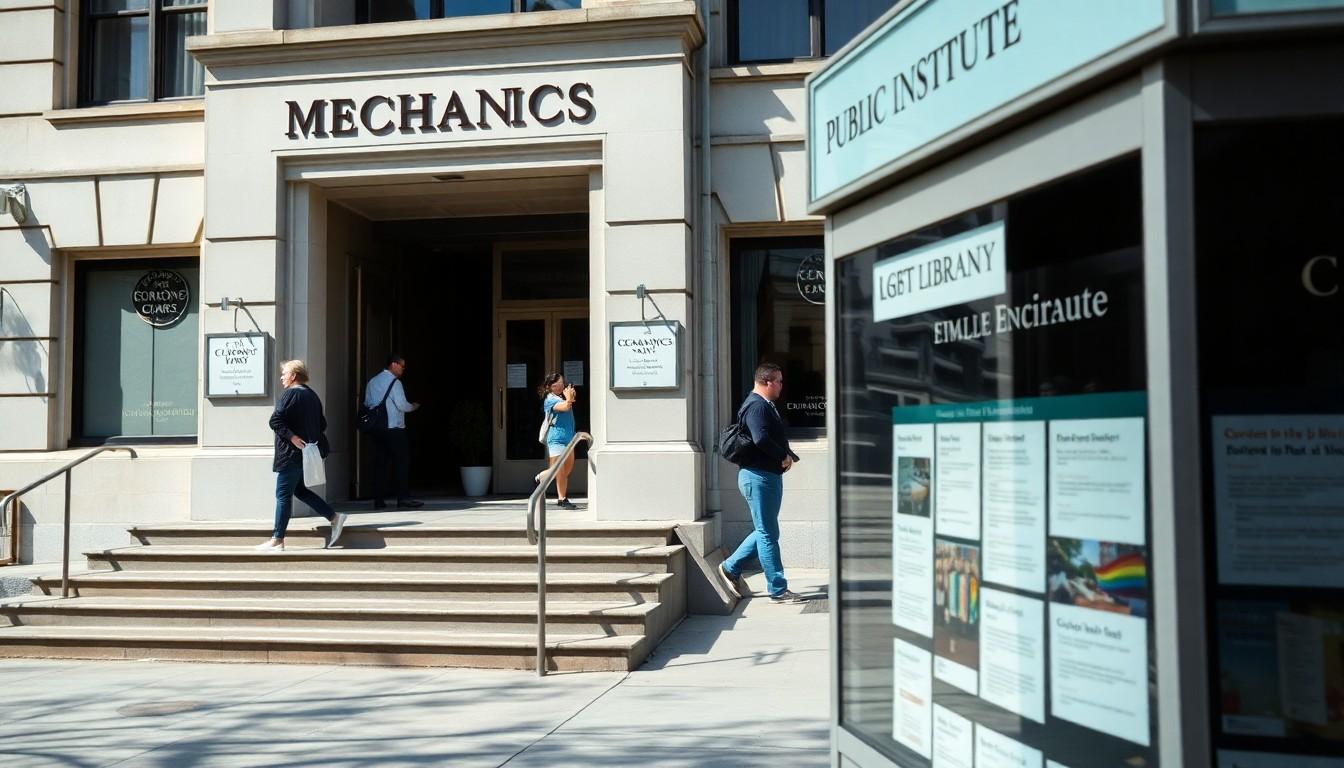
Discovering a trove of LGBTQ picture books at the Mechanics’ Institute offers a vivid, historical map of queer visibility in kidlit , who collected it, what’s inside, and why it matters for families, teachers and researchers today.
Essential Takeaways
- Historic archive exists: The Tarpey‑Schwed LGBT Families Collection holds 200+ LGBTQ children’s books spanning 1969–2023, offering rare early editions and later mainstream titles.
- Unique home: The Mechanics’ Institute in San Francisco preserves the set as a single collection so researchers can trace shifts in tone and audience.
- Early books were different: First wave picture books often targeted adults, were self‑published, and framed same‑sex families as unusual or secretive.
- Newer titles are broader: Recent picture books centre LGBTQ kids, intersectional families, and history, with gentler, more affirming storytelling and diverse illustration styles.
- Access and donations: Members can borrow; the public can book appointments to view the collection, which is open to donations of significant works.
Why this collection feels like a time capsule , and a small revolution
Walk into the idea of the Tarpey‑Schwed collection and you’ll get a faintly dusty, satisfying sense of progress: books that once landed in niche pockets now sit together to tell a longer story. According to the Mechanics’ Institute, the collection began as a practical search for representation , a parent wanting stories for his daughters , and quietly grew into a curated archive. The physical grouping preserves context, so you can see how language, art and purpose shifted across decades.
That grouping matters because, as librarians point out, scattering these books into general stacks can erase the story they make together. The Mechanics’ Institute’s choice to keep them assembled protects that narrative, especially at a moment when queer books are under public scrutiny.
What the earliest LGBTQ picture books felt like
Early titles such as When Megan Went Away, an independently published 1979 picture book, often carried a moody, intimate tone and were written more for adults than young children. The illustrations can be subdued, the text denser, and the themes , grief, separation, family structure , framed in a way that assumes adult readers are decoding the meaning for kids. Randall Tarpey‑Schwed prioritised these early editions when assembling the collection because they show how representation began: small press runs, experimental storytelling, and a focus on parental visibility.
For readers now, those books register as brave and raw. They’re not always comforting, but they map the realities activists and families were trying to record long before mainstream publishers made inclusion common.
How queer picture books have broadened and become affirming
Fast‑forward to the last decade and picture books are lighter on explanation and heavier on celebration. Titles like Granddad’s Pride weave queer history into family stories, while It’s Pride, Baby! and My Rainbow bring intersectionality and accessibility to the fore , Black Pride settings, autistic trans protagonists, sensory‑friendly perspectives. The result is a mainstreaming that still makes room for nuance: stories for kids who are themselves queer, for siblings, and for classrooms aiming to reflect lived experience.
If you’re choosing books for a child, look for clear cues: age recommendations, whether the text centres kids or adults, and how intersectional the cast feels. That helps match a title to the child’s curiosity or need for affirmation.
Why scholars want more history and not just commentary
Myles Cooper, the Mechanics’ Institute’s library manager, has argued for deeper academic study of LGBTQ children’s literature beyond immediate reactions to censorship or current controversies. Scholarly attention to origins, small presses and distribution networks would place today’s debates in richer context, showing patterns of visibility and erasure across time.
That matters not only for historians but for teachers and parents who want to understand why particular books surfaced when they did, and why some identities still have scant representation. A fuller archive invites research projects, curricular units and exhibitions that make those connections visible.
How to access the collection , practical tips
You don’t have to be a scholar to visit. Mechanics’ Institute members can check volumes out; non‑members can make an appointment to view the collection in person. The library also offers online browsing with curated entry points like Early Landmarks, Families in Picture Books, and Challenges and Public Debate, which are handy starting places if you want to sample remotely.
If you’ve got a copy of a meaningful queer children’s book, the Institute accepts donations of significant works , a neat way to help preserve stories that mattered to you. And if you’re a teacher, booking a visit or using the online guides can inspire classroom units that trace representation through time.
It's a small change that can make every read feel richer.
Source Reference Map
Story idea inspired by: [1]
Sources by paragraph: