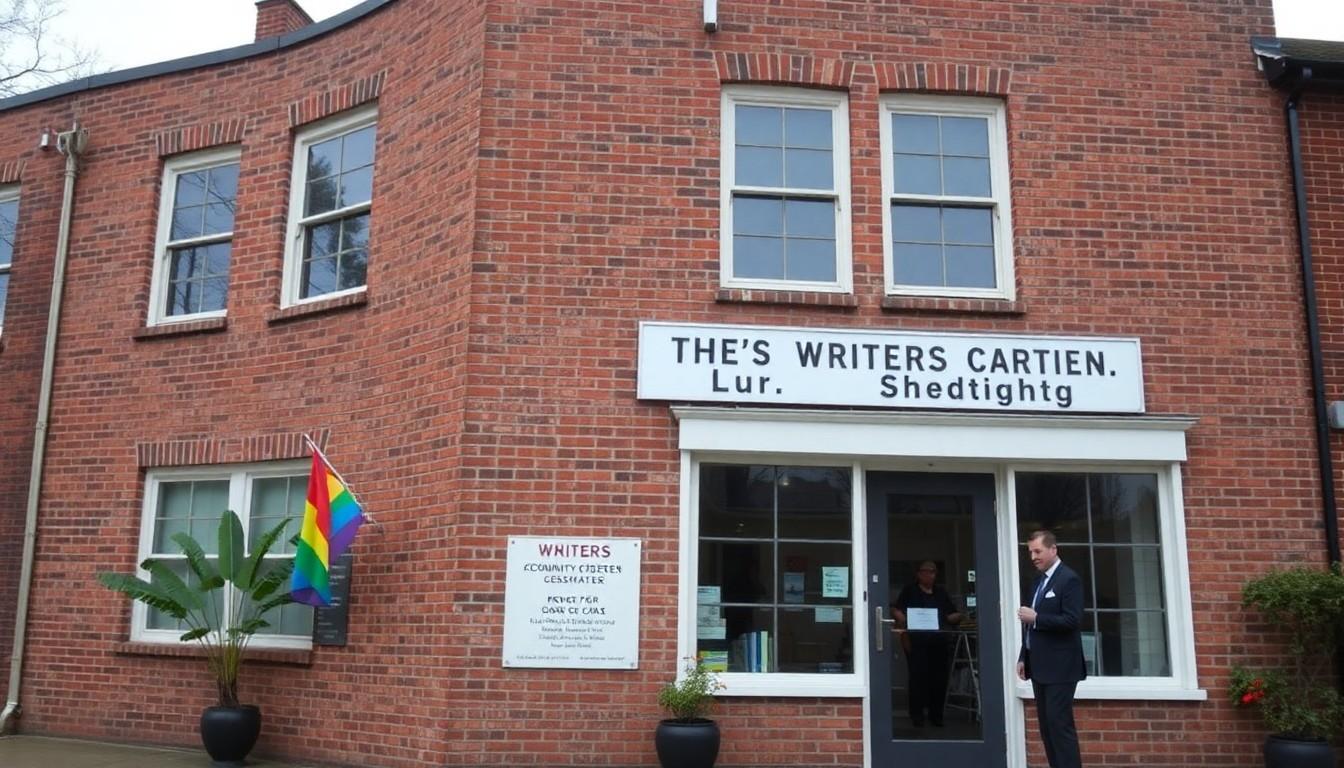
Shoppers and readers are rediscovering queer voices , from tender heartbreak to riotous chosen family , and these authors show why LGBTQ stories belong on every bookshelf. Who to start with, what makes each writer special, and which reads deliver comfort, challenge or a proper page-turner.
Essential Takeaways
- Timeless emotional depth: James Baldwin’s work cuts straight to the heart, offering quiet, painful honesty that still resonates.
- Hidden histories: E. M. Forster’s Maurice gives queer characters something rare for its era , hope , despite being withheld from publication for decades.
- Everyday grief, brilliantly written: Christopher Isherwood turns the ordinary into the profoundly moving in A Single Man.
- Celebration of found family: Armistead Maupin’s Tales of the City brims with warmth, humour and a slightly messy, utterly lovable cast.
- Summer-long longing: André Aciman captures first love’s ache in a way that lingers long after the final page.
- Modern gateways: Madeline Miller and Taylor Jenkins Reid have brought queer themes to new audiences with mythic romance and glamour-infused storytelling.
Why Baldwin still lands like a punch and a hug
James Baldwin’s writing feels alive in your chest; it’s honest, urgent and often aching. Giovanni’s Room looks spare on the page but carries complicated questions about identity, love and the costs of denial. According to summaries and study guides, the novel’s emotional layers keep readers coming back because it refuses tidy answers. If you want a book that stays with you, Baldwin is a reliable, sometimes brutal choice. Practical tip: read slowly, let sentences sink in , this is one to savour rather than speed-read.
Maurice: a hopeful secret finally shared
E. M. Forster wrote Maurice long before society was ready to accept it, and that backstory changes how the novel reads today. It’s not just a period piece; Maurice feels intentionally brave because it offers queer characters a future rather than punishment. Summaries show why that matters: hope was revolutionary then, and it still feels necessary now. If you’re exploring queer classics, choose the edition with good notes or an introduction , context helps the book land with more force.
A Single Man shows grief in small, precise movements
Christopher Isherwood’s A Single Man is quieter than many coming-out narratives, but that’s its point. The novel homes in on a day in the life of a grieving man, making small moments , a walk, a memory, a mundane interaction , carry huge emotional weight. Study guides highlight its minimalist power. This is a great compact read when you want emotional clarity without melodrama; it’s the kind of book that lingers in thought rather than headlines.
Tales of the City: why chosen family still charms
Armistead Maupin wrote a series that reads like moving into the warmest, most chaotic flatshare you can imagine. Tales of the City popularised the “chosen family” idea long before it was a social-media slogan, mixing humour, drama and real tenderness. Readers return for the characters’ messy humanity and the comforting, often hilarious tone. If you crave warmth and recurring characters to live with, start here , bring a notebook for the many quotable lines.
Call Me by Your Name and the art of remembered summers
André Aciman’s novel is almost a sensory catalogue of longing: the heat, the music, the small cruelties and mercies of a first love. Its power partly comes from what it doesn’t resolve; the ache stays with you. That quality is why the book translated so well to film and why readers who’ve had their own summer crushes often find it devastatingly relatable. A useful approach is to read it alongside commentary or essays that unpack its prose, especially if you want more context about memory and desire.
Modern entry points: myth, glamour and BookTok momentum
Not every gateway to queer literature is century-old. Madeline Miller’s The Song of Achilles recasts Greek myth into an intimate love story that many readers found transformative, while Taylor Jenkins Reid’s The Seven Husbands of Evelyn Hugo brings Hollywood glitz and queer romance into bestseller lists and viral conversations. These books are accessible and emotionally satisfying, making them great first picks if you’re trying to read more queer fiction but want contemporary hooks. Tip: if you love mythology or gloss and scandal, either author will make you turn pages late into the night.
How to choose your next queer read
Start with mood, not era. Want introspective ache? Try Baldwin or Aciman. After warmth and recurring characters? Pick Maupin. Curious about historical reframing with hope? Forster’s Maurice fits. And if you need a modern, fast entry that keeps you up, Miller or Reid will do the trick. Practical sizing: check length and tone before you buy , some of these sit heavy emotionally, others drop in like comfort food. Libraries and secondhand shops are great places to explore editions and introductions that add useful context.
Why these stories matter now
Queer literature isn’t a niche archive , it’s a living conversation about love, loss, identity and joy. These authors offer different entry points into that conversation: some challenge, some console, some teach. Reading across them gives a fuller sense of how queer lives and stories have been written, censored, celebrated and reclaimed. And that variety is the point: you’ll find heartbreak, hilarity and hope, sometimes in the same paragraph.
It's a small choice that can change what you see on the page , and how you see yourself.
Source Reference Map
Story idea inspired by: [1]
Sources by paragraph: